
Expert Insights Into an Underrated Landscape Essential
Fast Facts:
- Mulch is any organic or inorganic material layered over bare soil
- The type of mulch you choose depends on where it’s going and what you want to achieve
- Garden bed mulching and lawn mulching are two different practices, but both create healthier soil, less maintenance, and a better-looking yard
- Ohio and Michigan winters make mulch a great choice for root protection
- NexGreen serves communities in Ohio & Michigan with expert lawn care and pest control
What Is Mulch & What Isn’t It?
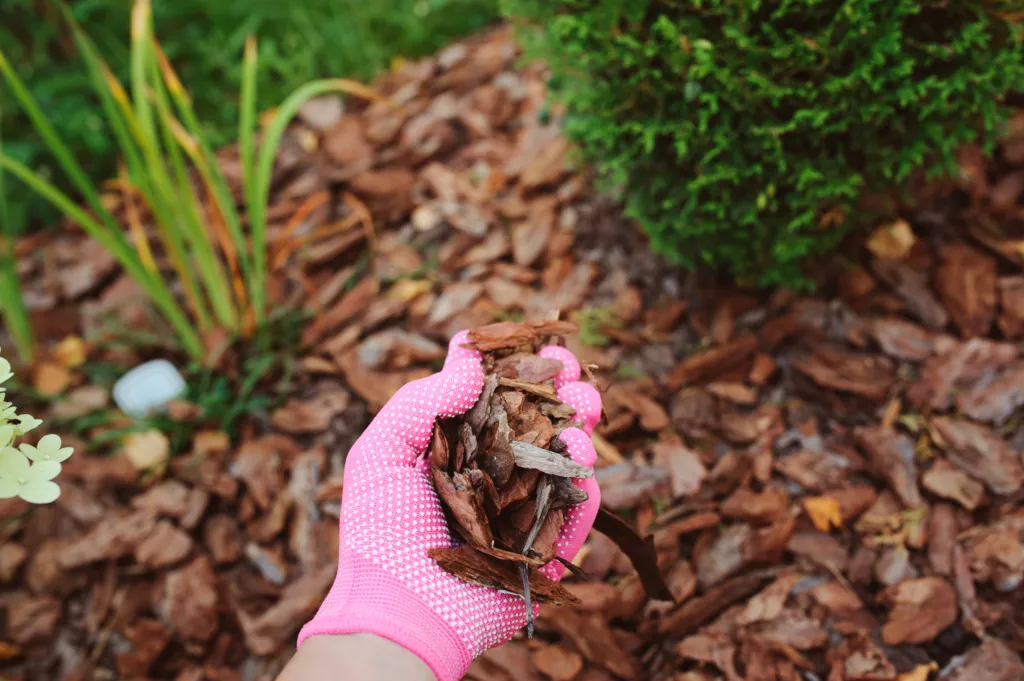
Mulch is any material spread over exposed soil to protect or improve it. That includes a wide variety of things: bark chips, wood shavings, pine needles, shredded leaves, straw, gravel, rubber, and finely cut grass clippings left on the lawn after mowing.
However, mulch isn’t a substitute for compost. These two get treated as interchangeable, but they do fundamentally different things.
Mulch sits on top of the soil, working at the surface. Compost gets worked into the soil to deliver nutrients to plant roots. Organic mulch will eventually break down and contribute something to the soil beneath it…but that’s a slow, secondary benefit, not the reason you put it down.
What’s Happening Beneath That Layer
Moisture stays in the soil longer. Evaporation from bare soil is rapid, especially in July and August when Ohio and Michigan summers turn hot and dry.
Mulch creates a barrier that significantly slows that process, which means the moisture from rain or watering reaches plant roots instead of disappearing into the air.
Weed seeds can’t get what they need. Germination requires sunlight. Cover the soil and most weed seeds never get started. A two-to-four-inch layer won’t stop every weed that tries, but it reduces the population you’re pulling by hand each week.
Roots are insulated from temperature extremes. This really matters in Ohio and Michigan. The same material that keeps roots cooler during a heat dome in August acts as insulation during hard freezes in January and February.
For plants that haven’t fully established their root systems, that thermal buffer can determine whether they survive winter at all. Freeze-thaw cycles that heave soil and expose roots are one of the most common causes of plant loss, and a consistent mulch layer reduces that risk considerably.
Heavy rain does less damage. Midwestern storms arrive fast and hard. Water hitting bare soil compacts it, moves it, splashes disease-carrying soil up onto lower leaves, and washes nutrients out of the root zone. A mulch layer absorbs that energy before the soil does.
Surface roots stay protected. Roots near the soil surface are vulnerable to compaction from foot traffic, lawn equipment, and the soil settling and hardening over time. Mulch keeps that zone stable.
Organic vs. Inorganic Mulch
Before looking at specific materials, it helps to understand the fundamental split — because it shapes every choice that follows.
Organic Mulch
Bark, wood chips, pine needles, shredded leaves, straw, hay, grass clippings, and layered newspaper will all eventually decompose. That decomposition is both the limitation and the advantage.
It means you’ll need to replenish organic mulch over time. It also means the material is actively feeding the soil as it breaks down, with microbes, insects, and earthworms processing it into organic matter that improves fertility, drainage, and soil structure.
For vegetable gardens, flower beds, and any area where long-term soil health is the goal, organic mulch is almost always the better choice.
Inorganic Mulch
Gravel, crushed stone, rubber chips, plastic sheeting, and landscape fabric. These decompose slowly or not at all, which makes them low-maintenance and long-lasting. So they’re effective at suppressing weeds and retaining moisture without needing periodic replacement.
Inorganic mulch is a reasonable choice around foundations, trees, and shrubs that prefer dry or rocky conditions. Just know that once it’s down, removing it is difficult.
Common Mulch Materials
For trees, shrubs, and foundation beds you don’t replant often: Bark and wood chips are the reliable standard. Coarser material lasts longer and holds up better through wet Midwest seasons, though it can make digging more difficult when you eventually want to add plants.
For vegetable gardens and seasonal beds: Straw, shredded leaves, or grass clippings work well. They break down relatively quickly, returning nutrients just as the soil needs them most. Keep grass clipping layers thin.
For woodland-style plantings or naturalistic gardens: Shredded leaves are free, locally sourced every fall, and ideal. They encourage earthworm activity and decompose into the soil without any intervention.
For areas where weed control is the priority: Layered newspaper (several sheets, moistened, and covered with another organic mulch) creates a surprisingly effective weed barrier that also biodegrades. Avoid glossy or heavily colored pages.
For pine needles: These resist compaction well and allow water to pass through freely, which matters in areas with clay soil that tends to stay wet. They may slightly lower soil pH over time, though the effect from naturally fallen needles is usually mild enough to be manageable.
For rain gardens, drainage-focused areas, or heat-loving Mediterranean plantings: Gravel and crushed stone are the right call.
For plastic and landscape fabric: Effective for weed suppression around foundations and established shrubs, but with real downsides. Those include heat trapping, restricted airflow, and eventual damage to soil biology. In natural or organic garden areas, the trade-offs usually outweigh the benefits.
What Is Lawn Mulching?
Garden mulching gets most of the attention, but lawn mulching is perhaps even more impactful for the average homeowner.
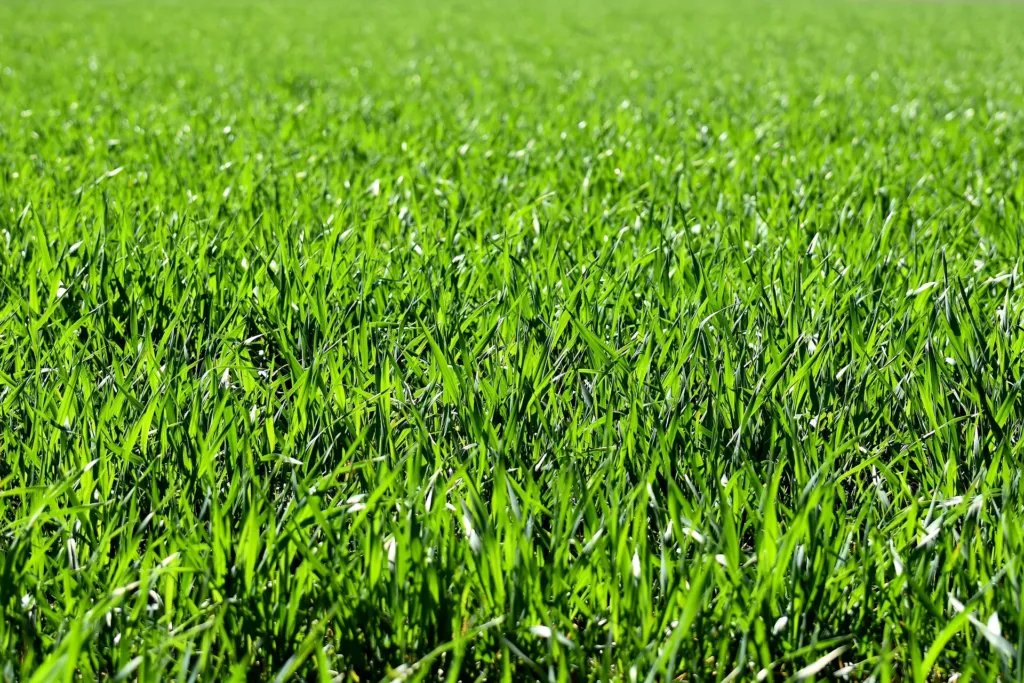
Instead of bagging cool-season grass clippings or throwing them out the discharge chute, a mulching mower finely chops the clippings and drops them back into the turf. They settle between grass blades, disappear from view within a day or two, and begin decomposing into the soil.
Nitrogen, potassium, and other nutrients in those clippings feed the grass from below. The time savings aren’t trivial either. No bagging, no hauling, no disposal runs. The clippings just stay where they are and do something useful.
For it to work well, a few things have to be right:
Mow frequently enough during active growth so clippings stay short and light.
Follow the one-third rule: Never cut more than a third of the grass height in a single pass. Remove too much at once and the volume of clippings becomes more than the turf can absorb cleanly.
Only mulch when the grass is dry. Wet clippings stick together, clog the mower deck, and form surface piles rather than settling into the grass where they can break down.
Use equipment designed for the job. Dedicated mulching mowers are built to circulate and repeatedly recut clippings before releasing them. If your current mower isn’t set up for mulching, a conversion kit can bridge the gap.
Standard mowing equipment without a mulching function tends to leave clippings too large and uneven to decompose quickly.
Timing in Ohio & Michigan
Seasonal timing in the Midwest is specific enough to be worth its own section, because the windows here are different from warmer climates.
For garden beds: Early-to-mid spring is the ideal target. This is after the soil has warmed enough to work with but before spring weeds establish.
The ground in Ohio and Michigan can stay cold well into April, and mulching over cold, wet soil delays the warming that plants need to break dormancy. It’s a common mistake. Get the timing right and you’re getting ahead of the season rather than working against it.
For lawns: Hold off until mid-to-late spring, when grass is actively growing rather than just starting to stir after winter. Mulching during slow or uneven early-spring growth produces inconsistent results.
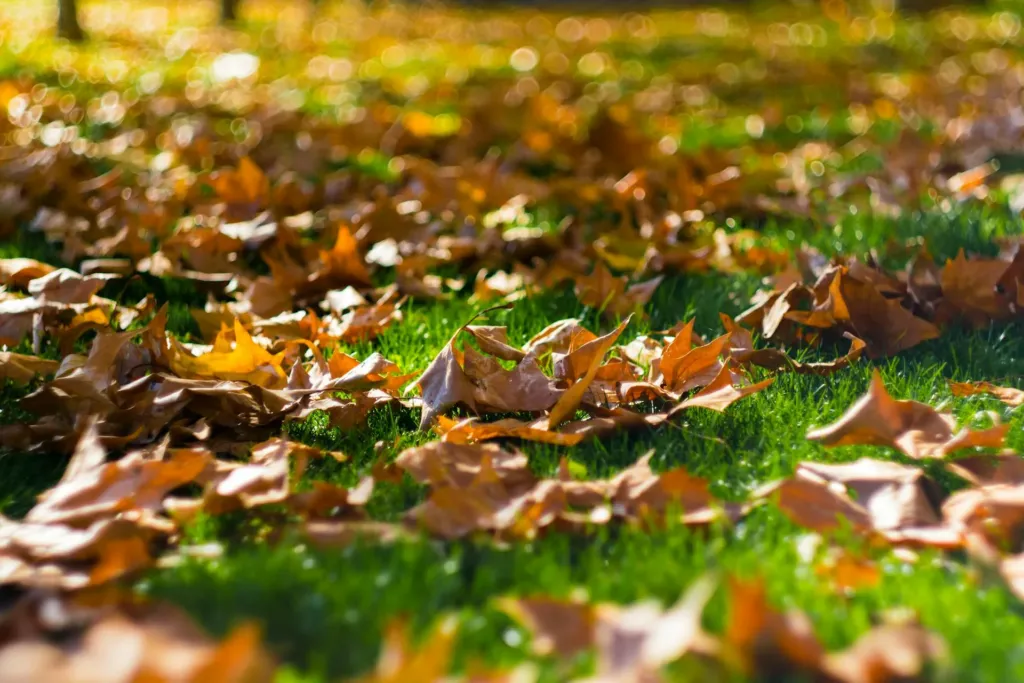
The core mulching season runs through summer while growth is vigorous and consistent. An early fall session, while the grass is still actively growing before temperatures drop, also returns nutrients at a useful time.
Frequently Asked Questions
-
Is mulch necessary in every garden?
No, and some plants actively prefer exposed soil or a mineral surface. That said, in Ohio and Michigan, the moisture and temperature benefits make mulch worth using in most situations.
-
Does lawn mulching cause thatch?
This is one of the most persistent myths about the practice, and it’s not accurate. Thatch is composed primarily of accumulated dead roots, stolons, and stems…not finely cut grass clippings that decompose quickly with consistent mowing.
-
Can I mulch leaves into the lawn?
Light, dry leaves can be finely mulched into the turf alongside grass clippings without issue.
-
Does mulching spread weeds?
Consistent mowing prevents most weeds from reaching the stage where they’ve produced seed. However, mulching an area that’s already overgrown with mature, seeded weeds can distribute those seeds.
-
How much mulch do I actually need?
Two to three inches for garden beds. Lawn clippings should form a thin layer that disappears into the turf within a day or two.
Your Next Call Should Be NexGreen!
Once you understand what mulch actually does, and what it takes to apply it correctly, it becomes one of the most straightforward improvements you can make to a yard’s long-term health. Less watering, fewer weeds, better roots, and soil that gradually improves rather than degrades.
Want to take your yard to the next level? NexGreen offers pest control and lawn care services in Ohio communities around the areas of Westerville, Columbus, and Groveport, OH.
We also provide pest control and lawn care services in Michigan for areas near Sterling Heights, Rochester Mills, and Waterford, MI.