
Discover How to Get the Most Out of Essential Oils & Plants
Quick Article Summary
- Lasting mosquito control is achieved through a combination of tactics, which is more effective than any single option.
- Mosquito-repellant plants work best when their foliage is touched, trimmed, or burned, allowing natural oils to disperse into the air.
- Oil derived from lemon eucalyptus is regarded as one of the most effective plant-based mosquito repellants.
- Eliminating standing water around your property is an easy DIY way to reduce mosquito breeding and limit future populations.
- NexGreen offers mosquito spraying services to protect and give peace of mind to homeowners in Ohio and Michigan
Take Care of the Breeding Site First
Before using any plant, oil, or spray, there’s one fundamental issue to address.
The most common types of mosquitoes don’t just visit your yard. They reproduce in it. A single female deposits hundreds of eggs at a time, and she doesn’t need much water to do so.
Eggs become larvae within days. Larvae become airborne adults within roughly two weeks. Those adults immediately begin the next cycle.
So what should you do? Walk your property with fresh eyes. Look for anything that collects and holds water. For instance, buckets, tarps, toys left in the yard, improperly graded soil, containers, etc.
Drain what you can, flip what you can’t drain, and refresh anything that needs to stay filled (like birdbaths) on a regular schedule that interrupts larval development.
No standing water means no local reproduction. That single change does more for your mosquito situation than any combination of plants and sprays.
How Natural Repellants Stop Mosquitoes
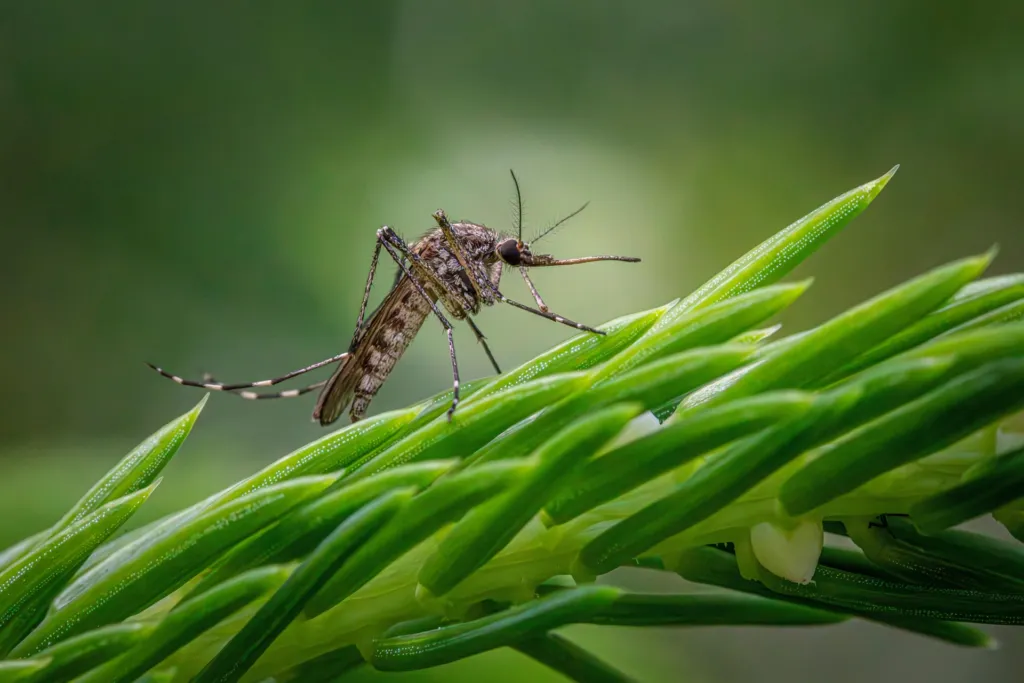
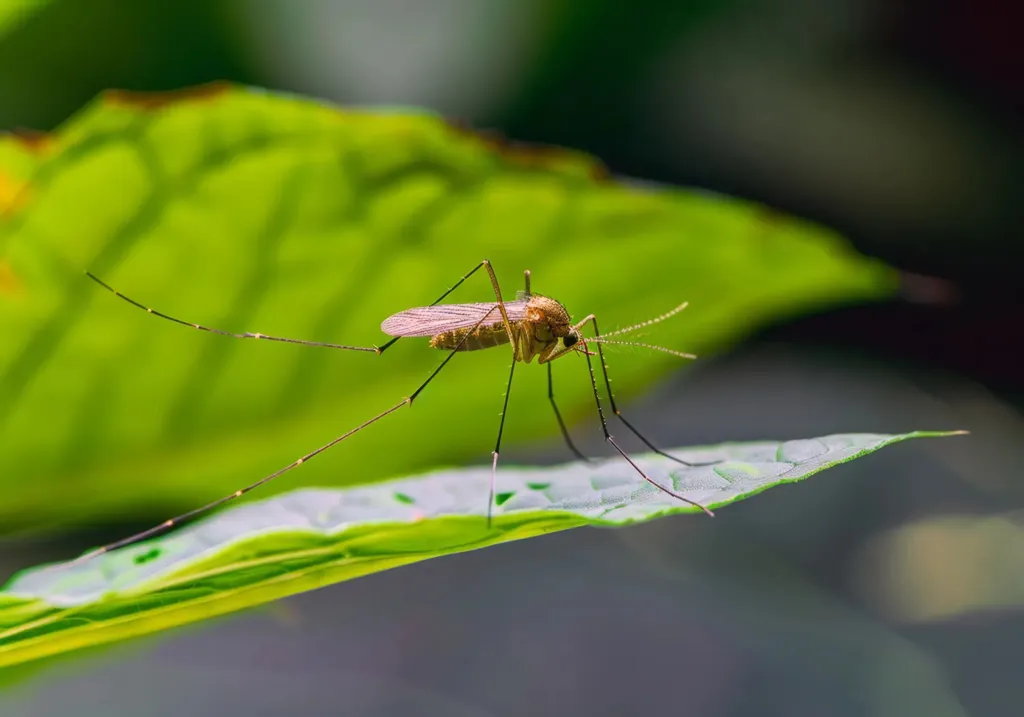
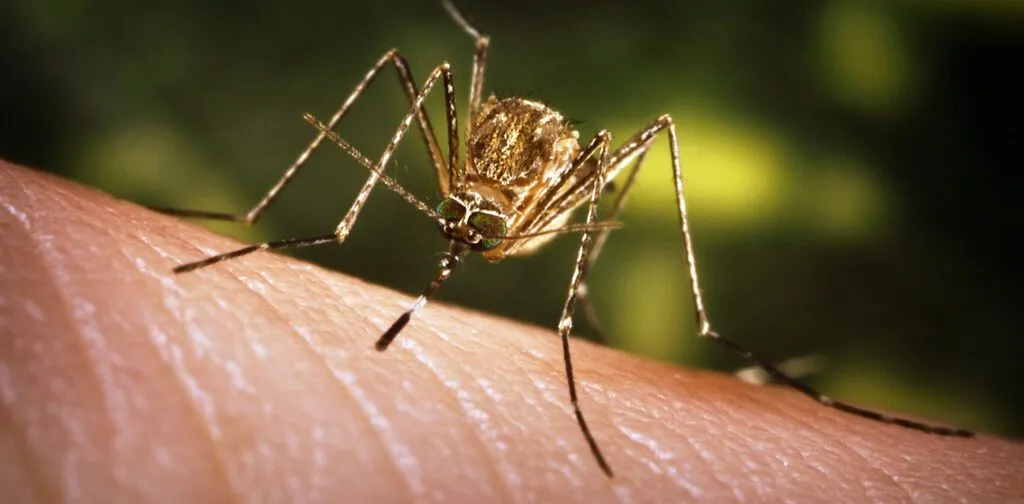
Mosquitoes aren’t wandering aimlessly. They’re following a specific trail of signals your body broadcasts constantly.
The carbon dioxide in every breath you exhale can be detected from far away. Your skin temperature creates a heat signature. The chemical compounds your body produces serve as a highly specific identifier.
Plant-based mosquito repellants work by chemically disrupting that trail. The volatile oils concentrated in certain herbs, flowers, and extracted forms mask or scramble the signals mosquitoes follow. When the signal gets muddled, mosquitoes lose their lock on you.
However, the oils have to be present in the air at concentrations that actually register. A plant sitting quietly in a corner isn’t doing much. The oils need to be activated by crushing the leaves, snapping stems, burning the material, or applying an extracted form directly to skin.
Which Natural Mosquito Repellant Plants Are Worth Growing
Lavender features the active compound linalool. Brushing against it, using the dried flowers, or applying the extracted oil to skin releases the oil.
Citronella grass is the actual botanical source of the oil in those citronella candles. The real plant is actually more potent than the diluted, slow-burning wax version. It performs well in containers in Ohio and Michigan during summer and should be positioned where people will brush against it.
Marigolds contain pyrethrum, which is the active ingredient in many commercial insect repellant formulations. They’re easy to grow, require little care, and work well as edging plants around seating areas.
Lemongrass produces a citrusy scent when disturbed that mosquitoes reliably avoid. It works well along patio borders where it doubles as a visual element.
Geraniums (Pelargonium citrosum variety) emit a citrus-forward fragrance through their foliage that mosquitoes don’t like. Container-friendly and easily relocated, they can follow your gathering spots.
Rosemary has a woody fragrance through ordinary contact and thrives in Ohio and Michigan summers with minimal fuss. When located along pathways or near doorways, it gets disturbed naturally as people move through the yard, which is what you want.
Basil releases its oils readily, with even a casual brush, producing noticeable fragrance. So position it in containers near where people sit.
Thyme produces thymol when its leaves are bruised or burned. This is a naturally occurring compound with research-supported insect-repelling properties. Simply toss a few sprigs onto fire pit coals when you’re gathering outside.
Garlic helps keep winged biters away, too. Its effect is cumulative, adding a subtle deterrent along the edges of your yard.
Mint and peppermint have a fragrance that mosquitoes can’t stand. Crushing a few leaves and pressing them onto exposed skin creates an improvised repellant in seconds.
Catnip has the compound nepetalactone, which has performed as well as DEET in controlled settings. Just be sure to crush the leaves before relying on it to keep mosquitoes away.
Lemon balm carries a sharp, clean citrus scent. It establishes easily in Midwest climates and produces well in containers, which is your best option since it spreads quickly on open ground.
Sage is most effective as a burning material. A few leaves dropped onto fire pit coals fill the surrounding air with pleasant smoke that’s a real deterrent for mosquitoes.
Eucalyptus, particularly in its extracted oil of lemon eucalyptus, represents the most potent plant-derived repellant available.
Are Essential Oils Effective?
If plants are the passive layer, essential oils are the active one. They deliver the same compounds at substantially higher concentrations, directly applied to skin or dispersed into the space around you.
Oil of lemon eucalyptus
This is the only plant-derived repellent comparable in effectiveness to DEET. Applied in a diluted carrier, a single application provides two to three hours of solid protection. Perfect for backyard use during Ohio and Michigan’s mosquito season!
Pure citronella oil
Used in a spray or outdoor diffuser, this oil delivers a lot more of the active compound than the candle version.
Lavender oil
This option is at the gentler end of the spectrum. It’s tolerable for most skin types, pleasant-smelling, and appropriate for lower-intensity situations.
Tea tree oil
While it boasts insect-repelling and antimicrobial properties, if undiluted, tree tree oil causes irritation. It has to be diluted and should be kept away from children and pets.
Important reminder: Remember dilute everything in a carrier before it touches your skin. Several commonly used oils (peppermint, eucalyptus, and tea tree) can cause real problems for young children and animals even at concentrations adults handle without issue. Patch-test any new formula before using it broadly.
Making Your Own Natural Mosquito Repellants
Water-based spray:
- Combine one part essential oil with ten parts carrier. Witch hazel and distilled water are both effective.
- The blend separates on standing, so shake before each use.
- Reapply every two to three hours, or sooner if you’ve been sweating heavily.
Oil-based skin formula:
- Add three to five drops of essential oil to one ounce of carrier oil.
- This version stays active somewhat longer than water-based formulas and holds up better in humid Midwest conditions.
For outdoor spaces:
- Citronella candles work best in small, enclosed areas with minimal airflow.
- Herb bundles burned near a grill or fire pit (rosemary, sage, and thyme all work well together) release aromatic smoke that deters mosquitoes from the immediate gathering area.
- Crushed lavender or mint leaves scattered around the perimeter of where people are sitting add a lower-level deterrent to the overall mix.
Underrated Deterrents That Bug Mosquitoes
Landscape Maintenance
Mosquitoes spend daylight hours resting in the kind of shaded, humid vegetation that overgrown yards provide. Dense shrubs, tall grass, and thick low-lying plantings are preferred daytime shelter.
Keep growth trimmed back and clear plant debris. This reduces available habitat, meaning fewer mosquitoes active in your yard.
Box Fan
This one tends to get dismissed as too simple, but it’s genuinely one of the most immediate tools available. Mosquitoes are weak fliers. Airflow that seems modest to you is enough to disrupt their controlled movement significantly.
A fan directed at your seating area creates a zone they struggle to fly in. Even better, the moving air disperses the carbon dioxide and body-chemistry signals that draw them toward you in the first place.
Two Incorrect Mosquito Beliefs
- Your citronella plant on the deck is keeping mosquitoes away. A container of citronella grass sitting undisturbed isn’t protecting you. Meaningful protection requires crushing leaves or brushing against them.
- You just need to find the right plant. There isn’t one. Effective mosquito management stacks methods rather than depending on any single element. A yard with repellant plants positioned strategically, essential oils applied to skin, standing water eliminated, vegetation managed, and fans running outperforms any single approach.
When Natural Methods Hit Their Limit
A well-executed natural DIY strategy works well for manageable mosquito situations. For instance, if you have a smaller yard, only use your outdoor space occasionally, or face light seasonal pressure.
Eliminating standing water, planting the right species where they’ll get activated, applying oils before going outside, and using fans can produce a real and noticeable improvement.
However, if your natural mosquito repellant strategies have reached their ceiling, it’s time to call in the professionals.
NexGreen’s mosquito spraying service targets active populations, eliminates breeding zones, and gives you your yard back.
We offer pest control and lawn care services in Ohio communities around the areas of Westerville, Columbus, and Groveport, OH.
We also provide pest control and lawn care services in Michigan for areas near Sterling Heights, Rochester Mills, and Waterford, MI.
Mosquito Repellent FAQs
-
Are natural repellents actually safer than DEET?
They come with fewer synthetic chemical concerns. The trade-off is a shorter protection window and more frequent reapplication.
-
What kills mosquito larvae naturally?
TI (Bacillus thuringiensis israelensis) is a soil-dwelling bacteria that targets and eliminates mosquito larvae in standing water.
-
How do I keep mosquitoes away naturally?
Locate and eliminate every source of standing water on your property. Then layer in repellent plants near gathering areas, apply essential oil-based formulas to exposed skin before heading outside, keep grass and shrubs managed, and use fans to disrupt flight patterns.
-
Do repellent plants actually work?
Yes, as long as the oils are actively released.
-
What's the most effective natural mosquito repellent?
Oil of lemon eucalyptus, diluted in an appropriate carrier and applied to skin. It’s the best plant-derived repellant and provides two to three hours of protection.
Blog Contributor: Eric Bernard
Eric Bernard serves as Area Manager for the Columbus and Groveport NexGreen locations, with 24 years of experience. He currently holds licenses in lawn, horticulture, pest, mosquito, vegetation control, and aquatics. His professional insight is shaped by leadership development, technician performance, customer retention, and decades of experience helping teams deliver strong lawn care results.