
All About Snow Mold & How to Stop It
Posted on January 19, 2026
Learn Ways to Prevent & Treat This Spring Lawn Fungus
Snow mold is a turf issue that really surprises property owners. Your lawn looks healthy through autumn. Winter arrives with persistent snow coverage, and suddenly you’re staring at discolored zones scattered across formerly pristine grass.
What triggered this, and what’s the explanation? When you face this problem lawn issue every year, underlying factors are at play. Could your fall maintenance routine be the culprit, or is something different happening? Keep reading to learn all about this cold-weather grass fungus and how to prevent and eliminate it with the experts at NexGreen.
Defining Snow Mold
The terminology is somewhat deceptive. Snow mold doesn’t fit the conventional mold category. This represents a cold-climate fungal infection triggered by particular organisms that remain inactive in soil throughout most of the year.
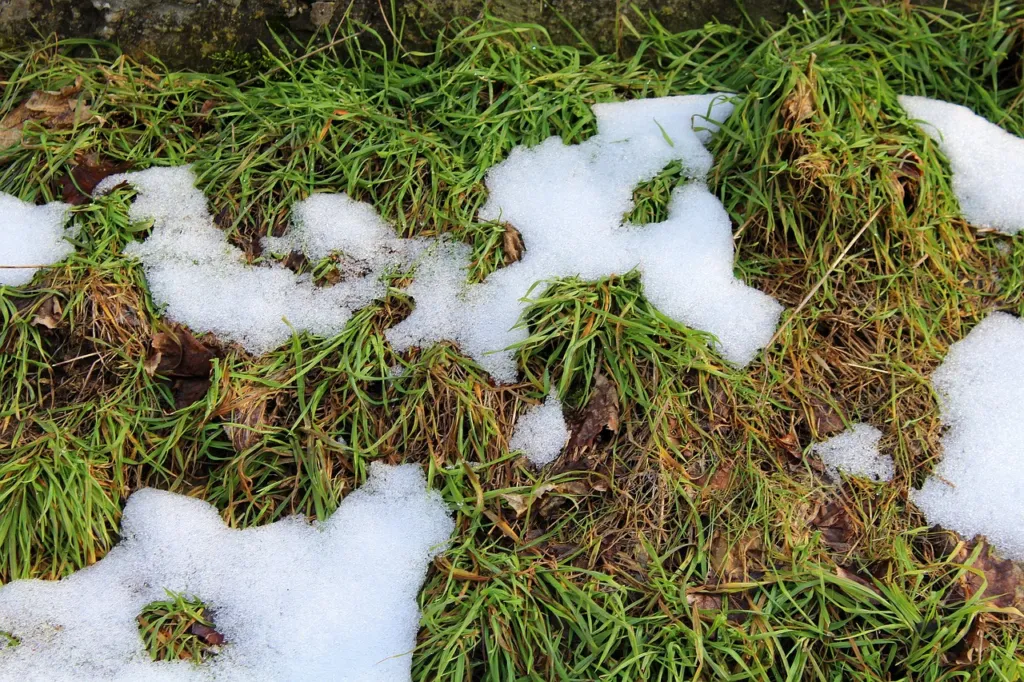
These pathogens activate once temperatures settle into the 32-45°F range. Melting precipitation generates ideal moisture conditions for fungal proliferation. This explains why outbreaks typically occur during the winter-to-spring transition period. You may observe the fungus directly, though more frequently you’ll spot those characteristic tan-colored zones of compromised turf.
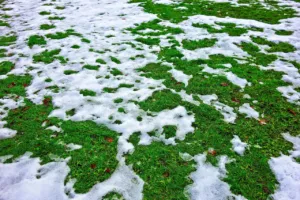
This fungal disease becomes obvious following snowmelt, creating unexpected problems for homeowners. Your landscape transitions from complete snow burial to sudden exposure, revealing unfamiliar damaged sections that weren’t visible previously.
How Lawn Care Experts Know It’s Snow Mold
Experienced lawn specialists examine multiple diagnostic indicators beyond simple discoloration.
- Form and dimensions. Fungal outbreaks manifest as rounded or asymmetrical formations, spanning anywhere from several inches to multiple feet across. Affected turf displays tan coloring with a compressed, encrusted texture.
- Hue reveals intensity. Spotting grayish or whitish areas? Generally less problematic. Noticing pink, rusty, or brownish-red tones? That signals a more serious situation requiring attention.
- Spatial distribution provides clues. Knowledgeable technicians focus on zones where snow lingered longest. For instance, beside driveways where snow gets piled, along shaded northern exposures, or sections with inadequate water flow.
- Timing matters. Observing these signs days to weeks following snowmelt? Almost certainly fungal disease. The pathogen spent considerable time developing beneath snow cover, only becoming apparent once warmer weather exposes your turf.
These Grasses Are Affected:
Cool-season grasses in Ohio and Michigan take the brunt of snow mold pressure, but not all of them suffer equally.
Perennial ryegrass shows similar susceptibility to Kentucky bluegrass. The main difference is recovery speed. Ryegrass can’t spread laterally as aggressively, so damaged areas take longer to fill in naturally.
Bentgrass is at a high risk. Golf courses with bentgrass greens spend considerable resources fighting snow mold each year because this grass type is so vulnerable. For residential lawns, if you’ve got bentgrass, you’re practically guaranteed to see snow mold after significant snow cover.
Kentucky bluegrass falls into the moderate risk category. It can develop snow mold, but it also has decent recovery potential. That’s because its underground stems, called rhizomes, help it spread and fill in damaged areas.
Types of Snow Mold in Michigan & Ohio
Not all snow mold is the same. There are two main types. Understanding the difference can save you a lot of time, money, and unnecessary worry.
Pink Snow Mold
Despite the name, pink snow mold shows up in shades of pink, rust, or reddish-brown. It’s also more aggressive than its gray counterpart. Because pink snow mold goes deeper, it can actually kill the crowns and roots of your grass.
In fact, it doesn’t even need snow cover to cause problems. Extended periods of cool, wet conditions in early spring can trigger it. This means lawns in transition zones or areas with wet springs can deal with pink snow mold even after mild winters.
The damage from pink snow mold often requires intervention, such as overseeding and repairing bare spots. Left alone, those damaged areas might not recover naturally, and you’ll end up with permanent thin patches come summer.
Gray Snow Mold
This is the milder form of snow mold. You’ll notice gray or white circular patches across your lawn. They may even look silver in the right light. This variety requires actual snow cover to thrive, which makes it pretty predictable in northern climates.
The good news? Gray snow mold is primarily cosmetic. It affects the grass blades themselves but typically leaves the roots and crowns intact. Your lawn might look ugly for a few weeks, but it’ll often recover on its own with time, sunshine, and proper airflow.
What Causes Snow Mold?
The ideal conditions include extended snow cover before the ground fully freezes. When snow falls on unfrozen, moist soil, it creates a perfect spot for fungal growth. Moisture from melting and refreezing cycles just makes it worse.
But weather alone doesn’t tell the whole story. The condition of your lawn going into winter makes a massive difference. Excess thatch and long grass can trap moisture and leaf debris weakens the grass and soil by blocking light.
Of course, poor drainage and compacted soil don’t help either. Water will just sit there. Again, it’s something fungi absolutely love. And if you’re repeatedly piling snow in the same spot? That area’s probably getting hit with snow mold.
Expert Snow Mold Tips for OH & MI
Preventative Fungicide
- When snow mold strikes your lawn year after year, proactive fungicide treatments can make a real difference. However, these treatments need to be done well ahead of the first snowfall. Miss that window, and you’re stuck waiting to address visible damage come spring.
- Hiring a lawn care professional for fungicide application makes more sense than tackling it yourself, particularly if you’re managing a premium property or dealing with persistent fungal outbreaks.
Fertilization Dos & Don’ts
- Steer clear of nitrogen-heavy fertilizers as winter approaches. Your fall feeding regimen should emphasize slow-releasing, well-balanced products that strengthen roots rather than stimulating leafy growth above ground.
- That “winterizer” label can be misleading. What your turf genuinely requires heading into cold months is a potassium-rich formula designed to enhance freeze tolerance and cellular strength.
Water & Soil Management
- Adequate drainage is essential. Take a walk around your property following a downpour and identify spots where water lingers. Those trouble zones create perfect environments for fungal development and may need to be fixed.
- Don’t overlook pH levels. Cool-season turf varieties thrive in mildly acidic to neutral conditions (typically 6.0-7.0). Significant deviations from this sweet spot weaken your grass and leave it vulnerable to disease invasion.
Mowing & Yard Cleanup
- Gradually lowering blade height as fall progresses is essential. Reduce your mower deck setting bit by bit across those final autumn cuts, aiming for turf that measures roughly 2 to 2.5 inches when dormancy begins.
- Think about collecting clippings when you make that last seasonal pass. Throughout most of the year, recycling cut grass back into your lawn makes excellent sense for nutrient cycling. For that final pre-winter trim, be sure to remove clippings because they hold moisture.
- Keep fallen leaves from building up. Any debris layer that holds water creates risk. When autumn foliage continues dropping well into late season, keep up your removal schedule.
- Pay attention to snow placement when clearing walkways and driveways. Avoid building enormous mounds in concentrated spots. Distribute the snow more evenly across your landscape whenever feasible.
Aeration & Thatch Management
- Aeration performed in autumn is among the most powerful defenses against snow mold development. This process alleviates soil compaction, accelerates drainage, and facilitates decomposition of built-up organic layers.
- Keep a close eye on that organic buildup It shouldn’t exceed three-quarters of an inch in depth.
Actions to Take When Snow Mold Is Discovered
When damage becomes visible, fungicide applications offer no benefit. So what’s your move? Your best bet is gentle raking to separate flattened grass blades. This promotes air circulation and accelerates drying, which halts ongoing fungal development.
After that? Exercise patience. Track recovery progress across multiple weeks. Gray snow mold can improve within two to three weeks once sunshine and dry weather arrive consistently.
Resist the urge to intervene aggressively. You might feel compelled to apply fertilizer immediately, but this strategy often creates new problems. Stressed grass needs to prioritize rebuilding robust growth habits before processing heavy nutrient loads.
Fixing Your Yard Once Snow Mold Damage Occurs
Gray snow mold blight generally heals on its own. Practice patience, stick with your standard spring maintenance routine, and watch those affected zones gradually fill as warmer temperatures kick growth into gear.
Pink snow mold demands hands-on intervention. After determining the grass won’t bounce back naturally, you’ll need to extract dead plant material, condition the soil properly, and introduce fresh seed to those bare patches.
Bringing in professionals guarantees correct timing and thorough coverage. While overseeding appears straightforward, achieving uniform germination depends on ensuring seed contacts soil correctly, selecting appropriate varieties, maintaining moisture levels precisely, and safeguarding against wildlife and erosion.
Keep Your Lawn Free of Snow Mold
If you’ve dealt with snow mold multiple years in a row, that’s your lawn’s way of asking for help. A comprehensive lawn care program that addresses the underlying issues will pay dividends year after year.
Snow mold is just one of many fungal diseases that target stressed, poorly maintained turf. Ready to enjoy long-term lawn health? Contact NexGreen, and allow us to handle your lawn care in every season. We offer lawn care services in Ohio communities around the areas of Westerville, OH and Columbus, OH.
We also provide pest control and lawn care services in Michigan for areas near Sterling Heights, MI and Rochester Mills, MI.