
Why Crabgrass Preventer Is Essential In Ohio & Michigan
Posted on March 31, 2026
Learn How to Kill Crabgrass Sprouting on Your Lawn
There’s a particular kind of frustration that sets in when you’ve invested real effort into your lawn—weekends spent fertilizing, watering, mowing at the right height—only to watch crabgrass creep in anyway. This weed doesn’t knock before it enters. It just takes up space and spreads until you deal with it.
And dealing with it properly means more than grabbing whatever’s on the shelf at the hardware store. The NexGreen team has put together everything you actually need to know about winning this fight in Ohio and Michigan.
What Makes Crabgrass Such a Big Problem?
Crabgrass is a summer annual. It sprouts when soil warms in spring, dominates during the heat of summer, and dies off once temperatures drop below freezing. Sounds like a self-correcting problem, right? However, before a single plant dies, it deposits thousands of seeds directly into your lawn’s soil, where they wait until spring.
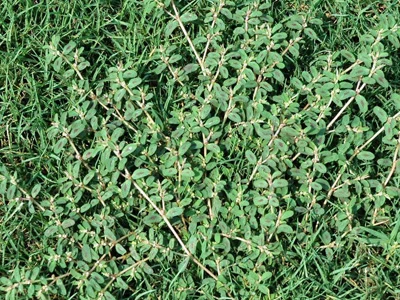
The plant’s name reflects its growth habit. It stays flat and low to the ground, pushing outward from a central hub in every direction. That spreading, ground-level look is partly why it blends in so well with desirable grass early in the season. By the time you notice crabgrass, it’s often already well established.
Getting an accurate ID before you treat is important. The wrong herbicide on the wrong weed can cause real damage. Here’s what to look for:
- Color that’s noticeably lighter or more yellowish-green than the rest of the lawn
- Stems longer than the surrounding grass blades
- Fine hairs visible on both the leaves and along the stem surfaces
- Blades that are wide and flat compared to typical turfgrasses
- A spreading, outward growth pattern rather than upright growth
You can also snap a picture of the weed and have a lawn care professional confirm the identification. Goosegrass is a lookalike that requires a different approach, and treating one as the other won’t get you the results you want.
Timing Your Crabgrass Pre-Emergent
The most important variable in crabgrass weed control isn’t which product you use. It’s when you use it. Pre-emergent herbicide works by creating a chemical barrier in the soil that prevents germinating seeds from developing roots. Put it down at the right moment and you stop the problem entirely. Miss the window and you’re managing an established weed all summer.
Soil temperature is the most reliable signal you have. When the soil two inches below the surface hits 55–60°F, crabgrass seeds begin germinating. That’s your cue.
Prefer to use nature as your guide? Two flowering plants give you solid reference points:
- Forsythia, the bright yellow shrub that blooms across Ohio and Michigan in early spring, finishes flowering a few weeks before crabgrass germination begins in USDA Zones 5 to 8. When those blooms are dropping, start preparing.
- Lilacs bloom much closer to the actual moment of germination in USDA Zones 3 to 7. Lilacs in full flower signals that your window is essentially right now.
Regional context matters here. Ohio and Michigan sit firmly in the Midwest, where April is the core target window for pre-emergent application. Further south, warmer climates push germination into February or March. Up in the northern part of Michigan, where soils stay cold longer, late April or early May may be more accurate.
Your own yard has variation too. South-facing, sun-exposed areas warm up faster than north-facing slopes or shaded spots under trees. The open, sunny part of your property may need treatment before the shaded sections do.
Two Treatments Are Better Than One
One of the most effective upgrades to a basic pre-emergent program is dividing the application across two applications. After all, crabgrass germinates in successive waves as temperatures rise and fall, not in a single burst. A single application has a finite residual life that may not stretch across the entire germination period.
Here’s how to structure it:
- First application: when soil temperature approaches 50–55°F and your earliest indicators appear
- Second application: 6 to 8 weeks after the first
This approach is standard in professional lawn programs throughout Ohio and Michigan because it simply works better than going all-in at once.
Why Would Crabgrass Preventer Not Work?
Treated the lawn and still watched crabgrass emerge? Something in the application process broke down. These are the most common explanations.
- Spreader coverage was uneven. Gaps and missed passes give crabgrass exactly the opening it needs. Calibrate your spreader before you start, maintain a consistent walking pace, and overlap each pass slightly.
- Soil was disturbed afterward. Aerating, dethatching, or digging in the lawn after applying pre-emergent physically disrupts the chemical layer you laid down.
- Turf was already compromised. Thin, stressed, or compacted lawn creates conditions where crabgrass can break through even well-applied pre-emergent. The underlying lawn health issue has to be addressed too.
- Applied too early in the season. Pre-emergents break down over time. If you applied in late March and germination didn’t peak until May, the product may have already lost its effectiveness.
- Applied after germination started. Once crabgrass seeds have sprouted and roots are forming, pre-emergent has no effect. It’s only active against seeds that haven’t germinated yet.
- Product wasn’t watered in. Granular pre-emergents need rain or irrigation to carry them into the soil. Left dry on the surface, they never form the barrier you were counting on.
Rate was too low. Under-application is the most common DIY error. The label specifies the minimum effective dose. Apply less and you get less protection.
Crabgrass Pre-Emergent Options
Pre-emergent herbicide is the cornerstone of crabgrass prevention. It lays down a root-blocking barrier that stops germinating seeds before they can establish. Two product formats are widely available:
Liquid pre-emergents offer fast-acting, consistent coverage and are the preferred format for professional lawn care programs. They require sprayer equipment and careful technique to apply evenly, which is why they’re less common in DIY settings.
Granular pre-emergents are the practical choice for most homeowners. A standard broadcast spreader handles the job easily. However, this kind of product won’t activate without water. If there’s no rain in the forecast, plan to irrigate after applying so the product moves into the soil where it needs to be.
When Is Pre-Emergent the Wrong Tool?
Pre-emergent herbicide is powerful, but there’s a downside to that. Namely, it doesn’t distinguish between crabgrass seeds and the grass seed you intentionally put down. Applying it before overseeding is one of the most common and costly spring lawn mistakes.
Seeding and pre-emergent require separate seasons. If thickening up bare or thin turf is on your agenda, hold off on the crabgrass preventer. Focus on seeding to build density, and schedule fall aeration to reduce compaction and improve coverage. Come back to a prevention program the following spring.
New lawns need a runway. Whether you seeded or sodded recently, the turf needs time to establish before pre-emergent goes down. Most professionals recommend waiting until the lawn has been mowed at least three to four times before applying.
Crabgrass Is Growing. Now What?
If you’re past the prevention window, post-emergent treatment is your next option. It’s more work than prevention and results take longer, but it can still make a real difference.
Act Early for Better Outcomes
Young crabgrass plants, caught in late May or early June, respond much better to herbicide than the large, deeply rooted mats you’ll find spreading across the lawn in late summer. Every week you wait makes the job harder.
Post-Emergent Products to Know
Fenoxaprop is a solid selective herbicide for crabgrass control, though it’s typically found in professional-grade products rather than standard retail channels.
Quinclorac is the most widely used selective option for crabgrass, available in both consumer and professional formulations. Selective means it targets the weed while leaving your desirable turf intact. Just check the label before you spray.
Glyphosate is non-selective. It eliminates everything it contacts, grass included. This is a last resort for heavily infested spots where you’re prepared to kill the area completely and start over with reseeding.
3 Post-Emergent Tips for Better Results
- Leaf contact is everything with crabgrass. Because it grows flat and wide across the ground, you need full coverage across the leaf surface.
- Give the lawn at least 48 hours on either side of treatment without mowing. Cutting the grass before or after reduces the surface area available to absorb the herbicide.
- Plan for a second application 7 to 10 days after the first if you’re dealing with established plants.
Lawn Habits That Reduce Crabgrass Pressure
Water deeply rather than often. Shifting to deep, infrequent lawn watering sessions (targeting about an inch of water per week) pushes turf roots further down, into soil zones the weed can’t follow as easily.
Aerate at least once a year. Compacted soil puts grass roots at a disadvantage and does nothing to slow crabgrass. Core aeration opens the soil, improves water and nutrient movement, and gives desirable grass the room it needs to develop a competitive root system.
Get your soil tested. If your lawn’s pH is outside the optimal range or it’s running short on key nutrients, the grass will always struggle against weeds regardless of what you spray. A soil test identifies the gaps so you can correct them directly.
Keep the mower higher. Taller grass shades the soil and lowers the surface temperature, which slows crabgrass germination. It also encourages turf roots to grow deeper and stronger. Repeatedly scalping the lawn is one of the surest ways to create conditions where weeds thrive.
Try corn gluten meal. This is an organic pre-emergent option for homeowners who prefer to limit synthetic inputs. It builds efficacy over multiple seasons rather than delivering immediate results, and it brings some nitrogen along with it as a secondary benefit.
Common Crabgrass Questions
-
Will crabgrass come back on its own after winter?
The plant itself won’t survive freezing temperatures. But the seeds it dropped are unaffected by cold and will be waiting to germinate when spring arrives.
-
Can I overseed at the same time I apply pre-emergent?
No. This is a reliable way to waste both time and money.
-
Pre-emergent wasn't enough and crabgrass is everywhere now. Can it still help?
Not at this stage. Once plants are up and growing, pre-emergent has no effect on them. Switch to a post-emergent strategy.
-
Can fertilizer and pre-emergent work together?
Often yes. Many products combine both in a single granular formulation.
Crabgrass Management by Seasons
Spring
Monitor soil temperature closely and apply pre-emergent before it hits the 55–60°F germination threshold. If Ohio or Michigan delivers a warm, drawn-out spring, plan for a split application to keep coverage intact through the full germination window. Raise your mowing height from the very first cut of the year.
Summer
Keep an eye out for any crabgrass that pushes through your prevention barrier and treat it promptly. Early treatment on young plants is far more effective than waiting. Maintain deep, consistent watering and avoid dropping the mower deck during heat stress periods.
Fall
For cool-season lawns in Ohio and Michigan, fall is arguably the most consequential season in the entire crabgrass management calendar. Overseeding thin and bare patches closes the openings crabgrass needs to establish next year. Pair that with core aeration and a fall fertilizer application to build the kind of thick, vigorous lawn that makes weed control noticeably easier in spring.
NexGreen Is Ready to Help with Your Weeds
Crabgrass control in Ohio and Michigan comes down to timing, the right product, and a lawn healthy enough to stay competitive. The application window is narrow, it moves earlier or later depending on the season, and missing it by even a week can set you back the entire summer.
Don’t want to manage this alone? Contact the lawn care professionals at NexGreen! With skilled technicians and the highest quality materials, we’ll get your lawn looking its absolute best.
We offer pest control and lawn care services in Ohio communities around the areas of Westerville, Columbus, and Groveport, OH.
We also provide pest control and lawn care services in Michigan for areas near Sterling Heights, Rochester Mills, and Waterford, MI.