Spiders Slip Into The Quietest Spaces
You might first notice a web across the porch light. Then one in the garage. Then a spider in the basement that makes everyone avoid that corner for a while.
That is how spider problems usually feel in Orange Township. Not dramatic at first, just annoying. But once spiders find food, shelter, and a place to stay hidden, they can keep turning up. NexGreen Westerville offers spider control in Orange Township, OH to help reduce webs, treat hiding spots, and make your home feel more comfortable again.
Get ready for summer with our limited time offer!
Enjoy your yard this summer by treating mosquitos early in the season. Schedule your service today!
Only $39.95 for your first service
Patios And Garages Need Attention Too
Orange Township has plenty of homes with patios, decks, mulch beds, shrubs, basements, garages, and storage areas. These places are useful for daily life, but they also give spiders shade, insects, and cover.
The issue is not always the spider you see. It may be the egg sacs under a shelf, the insects near outdoor lights, the gap under the garage door, or the webbing tucked under the eaves.
That is why NexGreen Westerville takes a fuller approach. We check the common problem areas, treat where spiders are active, and point out small changes that can help lower future activity.
Spiders Often Seen Around Central Ohio
Wolf spiders are the ones that tend to get noticed fast. They are bigger, quick, and often show up in garages, basements, sheds, mulch, or around stored items. They are usually nuisance spiders, but they can bite if handled. Most people just want them gone from the living space.
House spiders are smaller web- builders. You may see their webs in corners, closets, window frames, or ceilings. They are not usually dangerous, but the repeated web cleanup gets old.
Brown recluse spiders worry people because of possible bite reactions. They are not always easy to identify, and many brown spiders are mistaken for them. They prefer dark, still areas like boxes, closets, attics, and storage rooms. If you are unsure, have it checked.
Black widows are not common in every home, but they can hide in quiet, protected places like sheds, crawl spaces, garages, wood piles, and outdoor storage. The female is glossy black with a red hourglass marking. Do not handle one if you suspect it is a black widow.
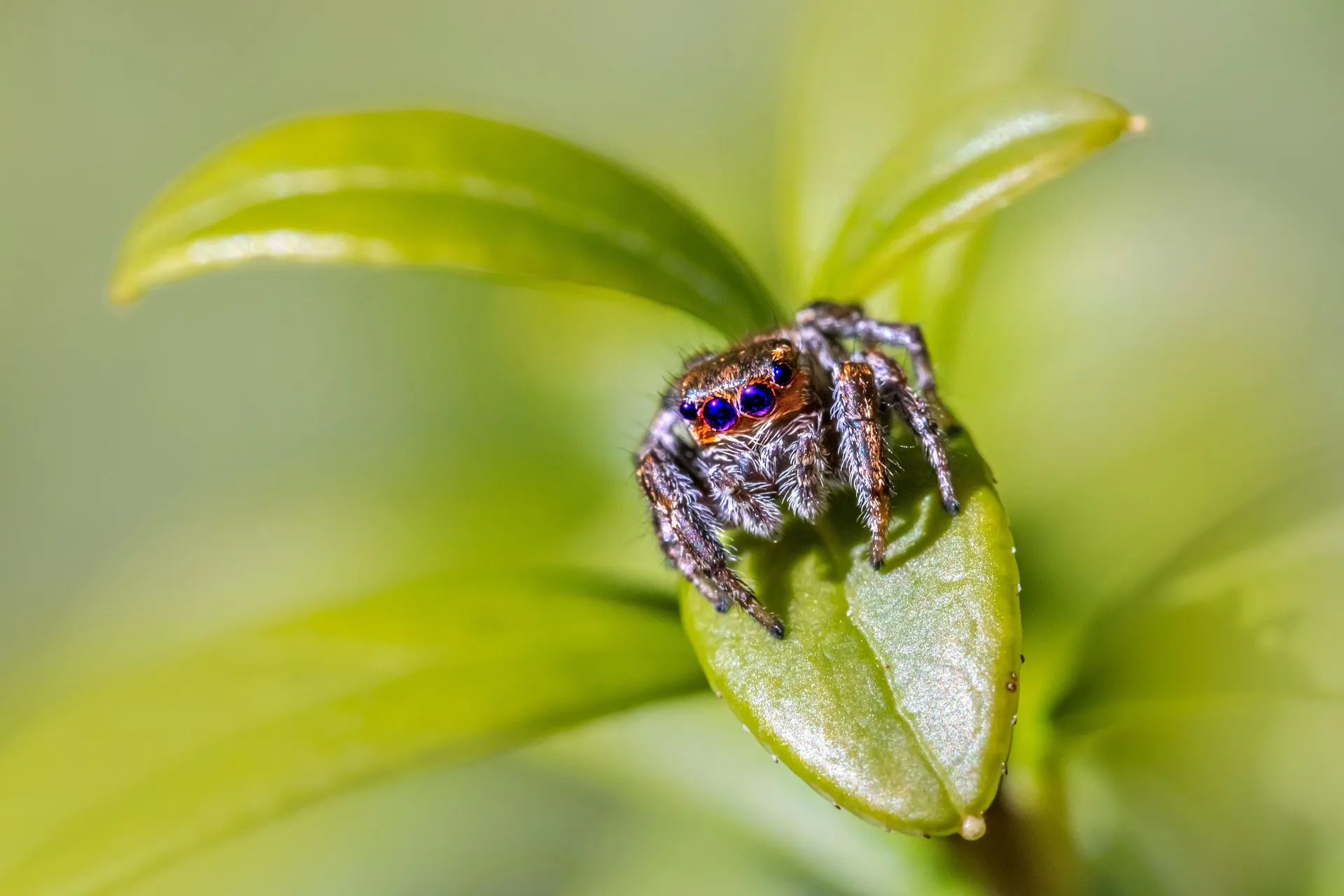
Jumping spiders are small, quick, and easy to spot near sunny windows, doors, siding, and patios. They are not usually a major danger, but they can still make people uncomfortable indoors.
Cellar spiders have long, thin legs and often live in basements, crawl spaces, garages, and damp corners. They are nuisance pests, and they can leave a lot of loose webbing in places people rarely clean.
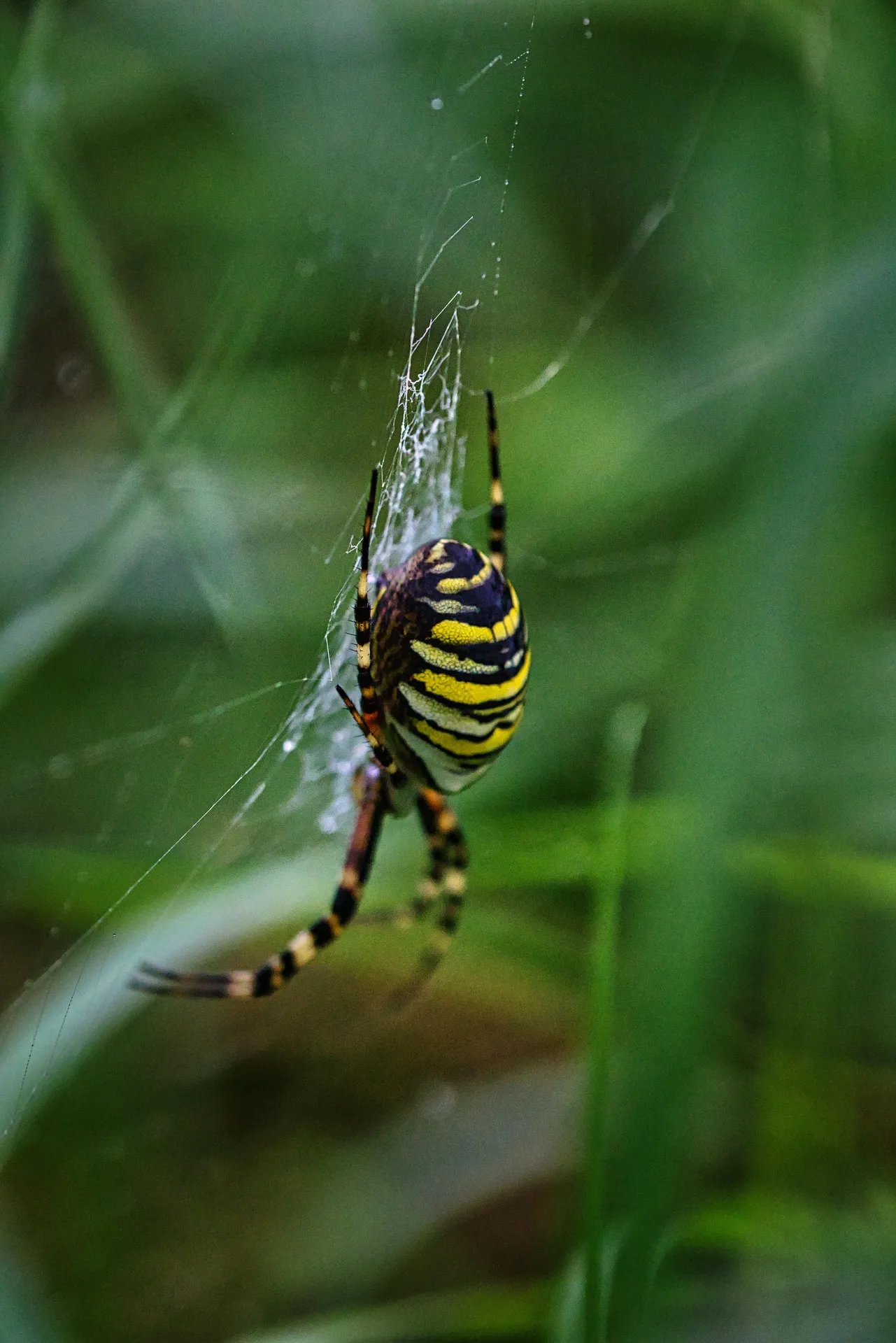
Orb weavers build round outdoor webs near shrubs, lights, fences, rooflines, and deck areas. Outside, they catch insects. Across a walkway or doorway, they become a problem.
Webs Return When Spiders Stay Nearby
A single web may not mean much. A web that keeps coming back in the same place usually means spiders are active nearby. You may also find egg sacs, shed skins, dead insects, small droppings, or spiders in the garage, basement, crawl space, closet, or attic.
Around Orange Township homes, spider activity often builds around patios, porch lights, landscaped beds, stored boxes, and lower- level rooms. If you have cleaned the same corner three times, it is probably worth taking a closer look.
Most Spiders Are Chasing Food
Spiders usually come closer to a home because insects are there first. Porch lights, mulch, damp soil, shrubs, and shaded areas can all bring insects close to the foundation. Spiders follow.
Weather matters too. Rain can push spiders into covered spaces. Cooler fall nights can send them toward garages, basements, door gaps, vents, and foundation cracks. Once they find a quiet place, they may stay.
They Hide Where Nobody Looks First
Inside the home: Spiders often tuck into basements, crawl spaces, garages, attics, closets, storage rooms, window corners, utility areas, under furniture, behind boxes, and quiet wall edges.
Outside the home: Outside, they may settle near decks, sheds, patios, porch ceilings, roof eaves, wood piles, mulch beds, shrubs, tall grass, foundation cracks, fences, and lights that attract insects.
A Real Inspection Changes The Plan
We look for webs, egg sacs, hiding areas, entry points, moisture issues, and insect activity. When possible, we identify the spider species so the treatment is not just a general spray.
Treatment may include exterior perimeter applications, web removal, egg sac removal, crack and crevice treatments, residual applications, and interior spot treatments in areas where activity is showing.
We may suggest sealing gaps, trimming shrubs, moving wood piles, reducing clutter, improving airflow, managing moisture, or changing outdoor lighting habits to attract fewer insects.
If spiders come back every season, follow- up visits can help. Seasonal maintenance makes it easier to catch activity before webs start showing up everywhere again.
Orange Township Spiders Change With Weather
Spring: Insects start moving again in spring, and spiders follow. Webs may begin appearing around windows, shrubs, decks, and porch areas.
Summer: Summer keeps outdoor activity steady. Patios, gardens, shaded landscaping, and exterior lights can all support spider activity because insects stay active nearby.
Fall: Fall is when many homeowners notice more spiders indoors. Cooler nights push them toward garages, basements, storage rooms, and crawl spaces.
Winter: Outdoor spider activity slows, but spiders that found shelter inside may remain hidden. Basements, attics, and garages can still have occasional sightings.
A Spray Can Miss The Source
DIY sprays can help with a spider you see on the wall. The trouble is what they miss: egg sacs, cracks, roofline webs, garage gaps, foundation openings, and the insects spiders are feeding on.
Professional spider pest control gives you a stronger plan. It combines inspection, targeted treatment, residual applications, web removal, entry point checks, pest management, and seasonal monitoring when needed.
Small Changes Can Help A Lot
Seal gaps near doors, windows, vents, utilities, and foundations. Replace torn screens. Keep basement and garage storage from piling up. Move firewood and extra materials away from the house.
Trim shrubs near siding, vacuum corners, knock down webs early, manage damp areas, and reduce insects around outdoor lights when possible. These little steps make the home less inviting.
Careful Treatment For Real Family Homes
NexGreen Westerville uses licensed technicians and state- certified applicators who follow product directions carefully. Treatments are placed where spiders hide, travel, and build webs.
We know your home is active. Kids run through the garage. Pets explore corners. Family and guests use the patio. We explain what we are treating and what you should expect afterward.
Local Help For Orange Township Homes
Orange Township homes can have wooded edges, landscaped beds, patios, garages, finished basements, and storage spaces that all affect spider activity. NexGreen Westerville understands how those everyday details matter.
Our team offers licensed service, focused inspections, targeted treatments, seasonal maintenance options, and practical prevention advice. We help with the spider problem you see and the conditions you may not notice yet.
Orange Township Spider Questions Answered Plainly
If spiders keep turning up around your garage, patio, basement, or porch, NexGreen Westerville can help. We’ll inspect the right spots, treat active areas, and help reduce what keeps bringing them back. Schedule spider control in Orange Township, OH and enjoy your home with fewer unwanted webs.