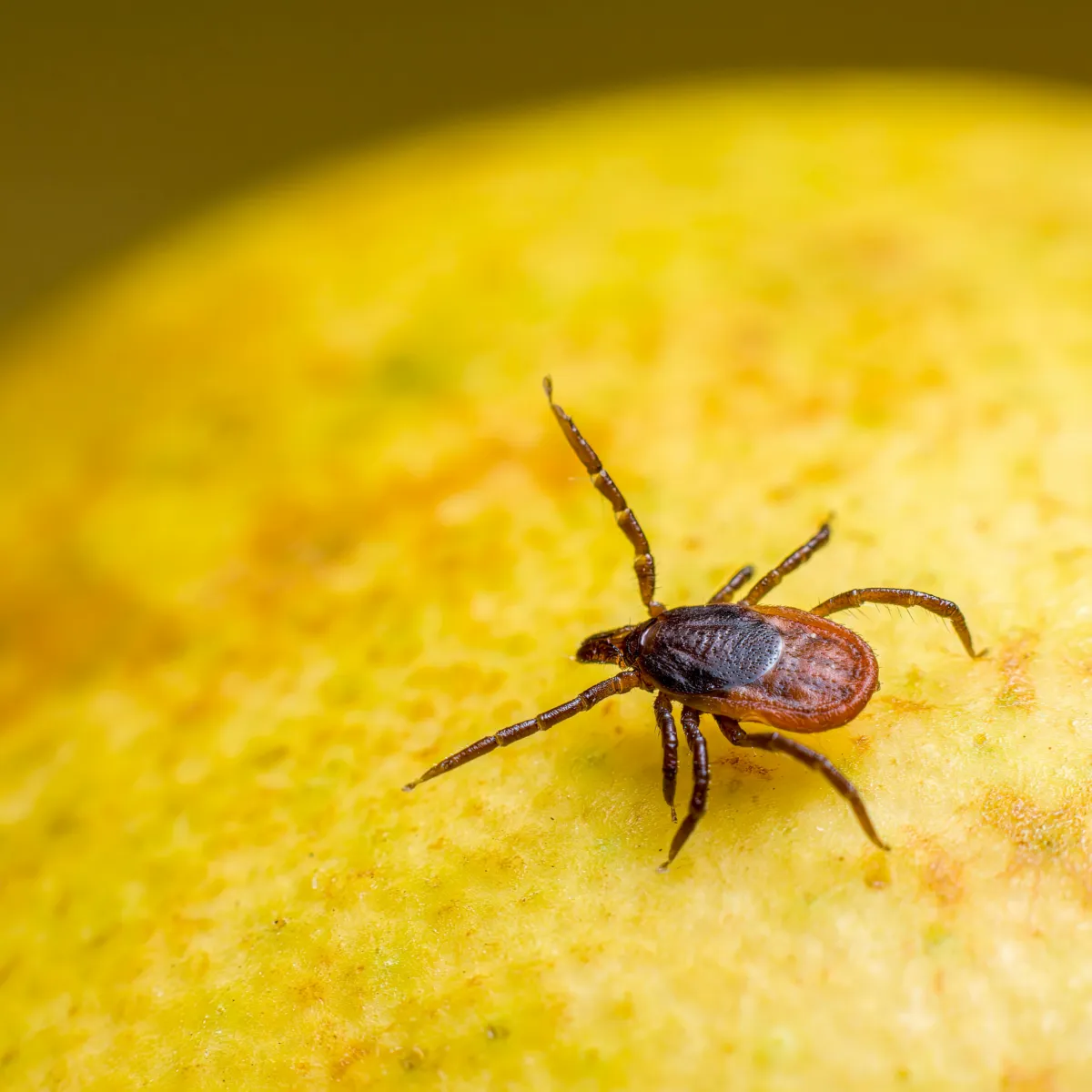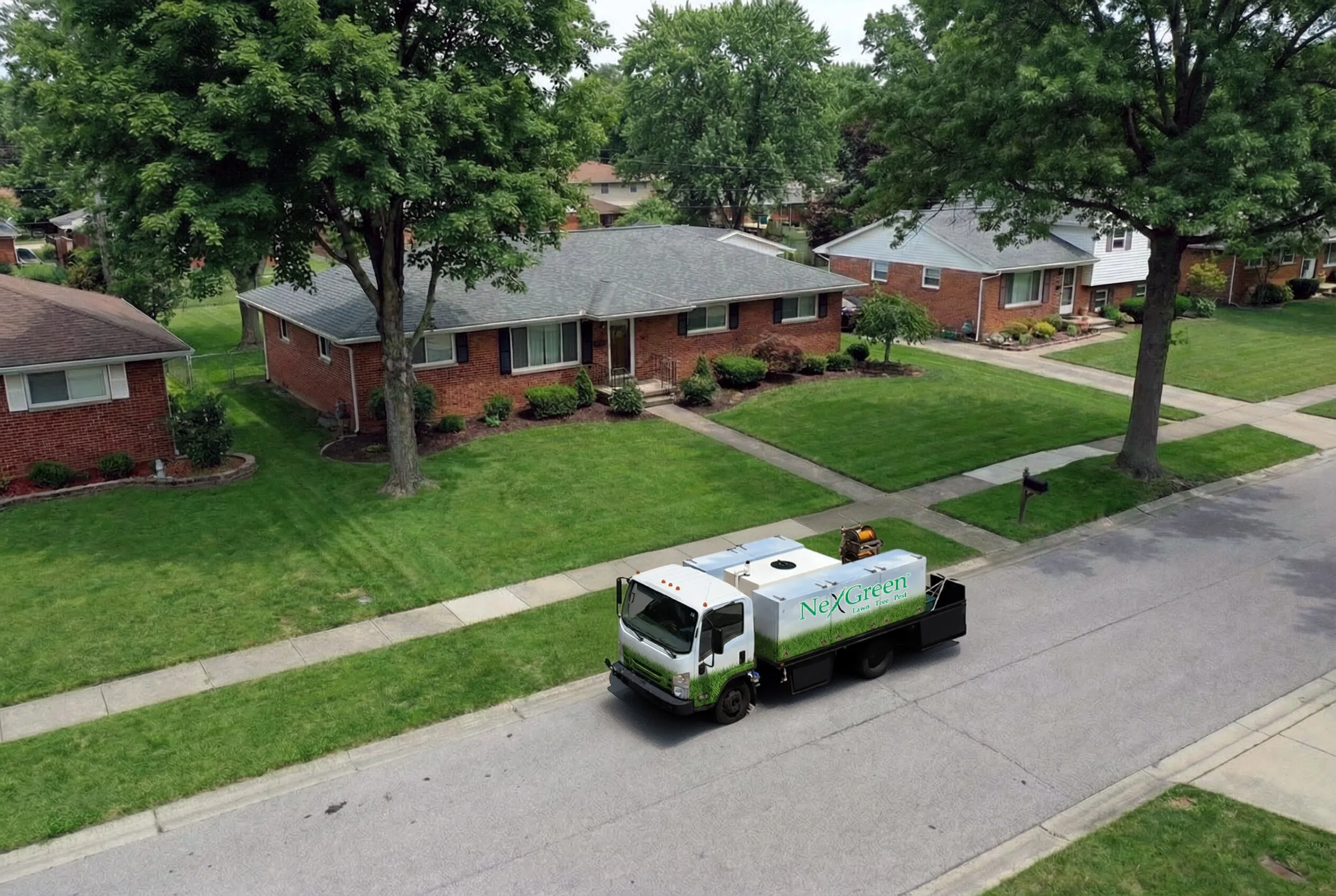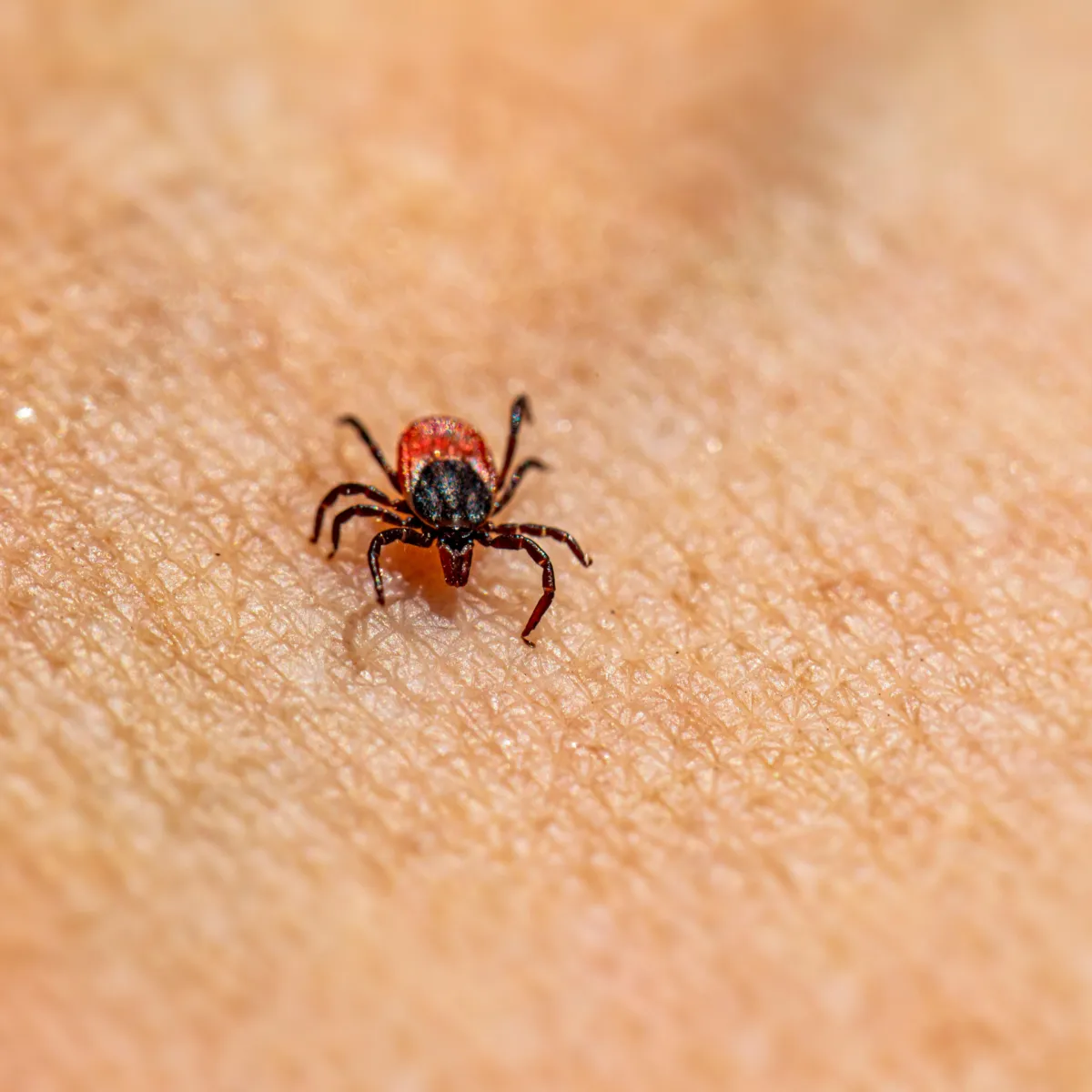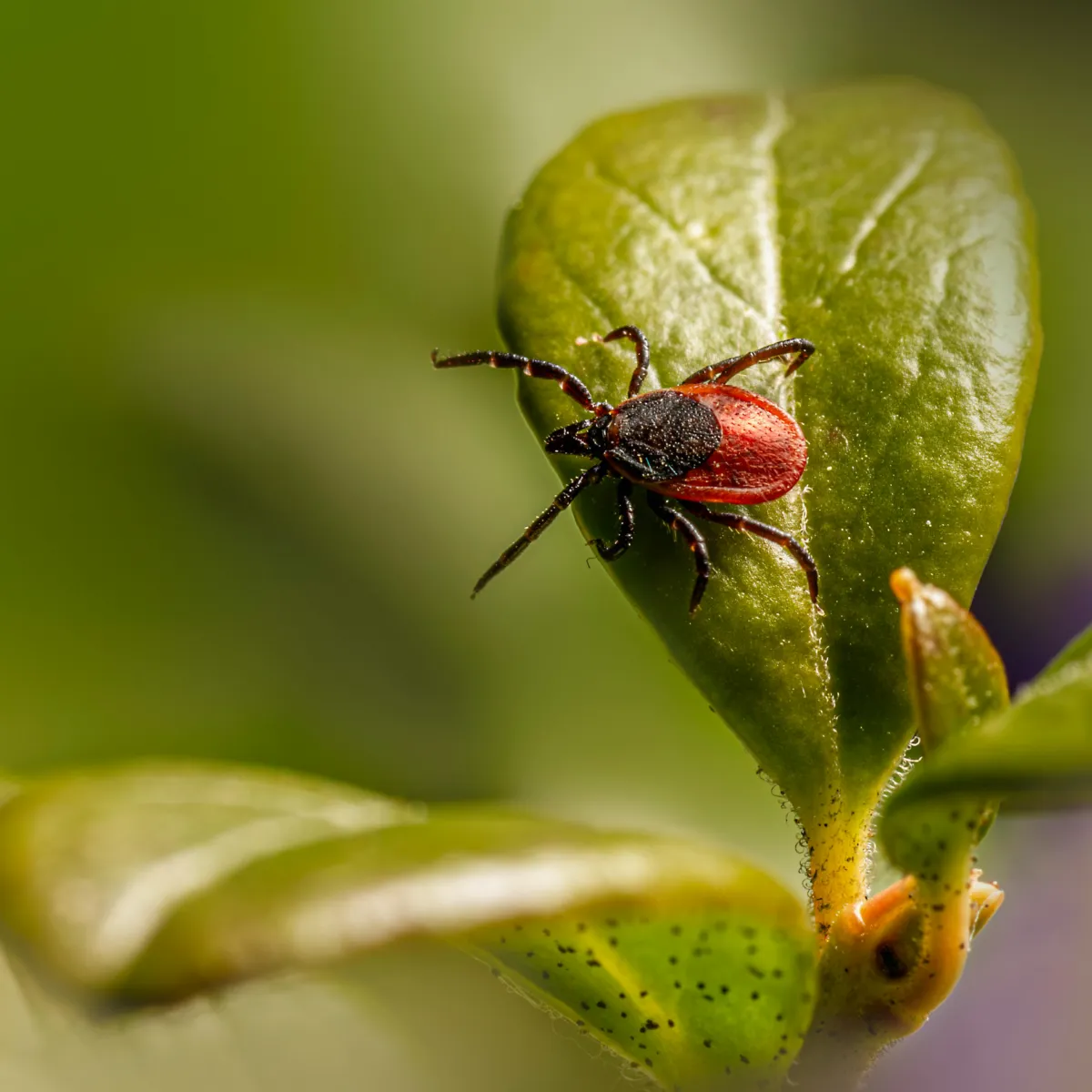
A yard can feel wide open and still have a few sections doing most of the work behind a repeat tick problem.

Tick Control in Highland, MI

In Highland, a property can have broad lawn areas and still hold smaller sections that stay much more protected than the rest. It may be a back edge near heavier cover, a lower corner that stays damp, or the strip beneath mature planting where the ground never quite opens up the same way the lawn does. Those are often the places where tick activity begins, even when the yard looks well maintained overall.

NexGreen provides tick control in Highland, MI by focusing on the parts of the property that stay most favorable instead of treating everything as if it behaves the same way. That means looking at the yard in terms of shade, moisture, plant density, and the spaces pets and families use most. The result is a more deliberate treatment plan built around how the property really functions.

A lot of homeowners only notice the issue after a pet brushes through the wrong section or after the same outdoor area begins causing concern more than once. By then, the source areas have usually already been active for a while. Treating those sections directly helps make the rest of the property feel much easier to trust.

Get ready for summer with our limited time offer!

Enjoy your yard this summer by treating mosquitos early in the season. Schedule your service today!

Only $39.95 for your first service

Get A Quote

The biggest problem areas are often the smallest parts of the yard that stay protected the longest.

Professional Tick Control Services in Highland, MI

Many Highland properties include more than one yard condition at the same time. There may be an open lawn, a denser border, a shaded side yard, and an outer edge where turf meets rougher growth. Those differences matter because the issue usually settles into the sections that stay cooler, heavier, or more sheltered than everything around them.

That is why NexGreen begins with the property itself. We look at where moisture lingers, where cover builds up near the soil, and how the layout of the yard creates the conditions that support repeat activity. Some areas may look fine from a distance but still function as steady holding spots because of how they trap shade and debris.

Treatment is then focused on those sections and on the nearby spaces where the household feels the problem most. That can include lawns, patios, walkways, pet areas, play zones, and the yard sections that connect those spaces to the outer border. When those pieces are treated together, the result is more useful than simply covering open turf.

The best treatment plan follows the path of the problem instead of only treating where it becomes obvious.

Our Tick Control Process

Inspect the Property

We start by evaluating how the yard behaves. That includes shade, plant density, moisture retention, low cover, and the routes people and pets use most often. This helps identify which sections are most likely supporting the issue.

Treat Tick-Prone Areas

Treatment is then applied to the sections most likely to hold repeat activity. That may include perimeter strips, rough transitions, shaded borders, bed edges, damp corners, and other areas where conditions remain protected near the ground.

Create a Protective Barrier

After the likely source zones are addressed, coverage is extended around the places tied to routine outdoor use. This includes lawns, patios, pet routes, walkways, and other spaces homeowners depend on regularly.

Continue Protection

Because the property shifts throughout the season, continued service helps keep familiar trouble spots from building pressure again. That consistency helps the yard stay easier to manage over time.

A yard issue becomes much harder to ignore once it starts shaping how the property gets used every day.

Why Tick Control Matters in Highland, MI?

Tick pressure matters because it changes routine. It changes how freely pets use the yard. It changes how comfortable a family feels around the lawn edge or near a path to the patio. It changes whether one part of the property begins to feel like the section that no one really wants to step near without extra caution.

That kind of shift can happen on Highland properties even when the yard is otherwise tidy and maintained. The issue does not need a neglected lot. It only needs a few favorable spots that keep holding cover, moisture, and shade in a way the rest of the yard does not. Once those sections keep producing activity, the problem can start feeling larger than it looks on paper.

That is why treatment matters. It gives homeowners a way to deal with the hidden cause rather than waiting for the next sign to show up in the most inconvenient place. Once the pressure is reduced where it starts, the rest of the property often feels much easier to use again.

The source is usually not the open middle of the lawn, but the protected sections surrounding it.

Where Ticks Hide Around Your Yard?

Ticks usually stay in the parts of a yard that give them cover near the ground. Around a home, that often means shaded fence lines, denser bed edges, leaf buildup under shrubs, thicker perimeter grass, and the outer sections where the lawn starts transitioning into rougher vegetation. These areas are usually much more important than their size suggests.

Small protected features can matter just as much. The ground near a shed, the back of a retaining wall, the edge of a deck, or the shaded side of the house may all hold more moisture and less airflow than nearby turf. That is often enough to turn them into repeat hiding areas.

Pets often make those same spots more important because they use them regularly. A dog following the same path along the edge of the property can keep activity connected to the most-used parts of the yard, even when the source area stays mostly hidden.

A well-treated property feels different in the moments that matter most, not just on the day service is completed.

Tick Prevention for Families and Pets

For most households, tick prevention matters because the yard is part of daily life. Dogs roam it without hesitation. Children use it naturally. Outdoor time happens without anyone thinking too much about which border might be holding more cover than it should. That is exactly why hidden activity becomes such a problem once it starts showing up close to those routines.

NexGreen helps reduce that overlap by treating both the source areas and the spaces most connected to family use. That means the lawn, the pet path, the patio edge, and the route from one part of the property to another all matter. When pressure is reduced in and around those zones, the yard starts feeling more practical and less uncertain.

The season changes how the yard behaves, and that shift often determines which sections stay most favorable from month to month.

Seasonal Tick Control in Highland, MI

Spring

Spring often brings the first buildup because growth returns quickly and the ground stays softer in the protected sections of the yard. Borders, heavier bed lines, and shaded corners usually respond first.

Summer

Summer can leave the yard looking more open than it really is. The center of the lawn may dry out fast, while the sheltered edges stay cooler and heavier. Those are often the sections that keep activity going while the rest of the property appears manageable.

Fall

Fall adds a different layer of pressure. Leaf cover begins to collect, sunlight shifts, and some parts of the property stay protected longer than they did in summer. The same source areas often remain relevant here.

Rain / Moisture

Rain helps reveal the most important trouble spots. If one strip, border, or low section holds moisture much longer than everything around it, that area is often a major contributor to repeat activity later on.

Real control comes from understanding where the pressure starts, not just where it gets noticed.

Why Choose NexGreen for Tick Control in Highland, MI?

NexGreen is a strong fit for tick control in Highland because the service is built around the way the property actually behaves. We do not assume that every section of the yard needs the same treatment. We focus on identifying the places that stay favorable and the spaces where those source areas affect the household most directly.

That kind of property-based approach helps homeowners get more useful results. Instead of a broad application that treats the lawn as one uniform surface, the work is centered on the specific conditions keeping the problem active. That makes the service feel more accurate and much more practical in everyday use.

The best prevention habits are the ones that make protected yard sections less comfortable between services.

Tick Prevention Tips

Keep grass trimmed, especially along the property edge where cover tends to build first. Remove debris, leaf buildup, and extra organic material from shaded borders, bed lines, and the slower-drying parts of the yard where shelter stays close to the soil.

It also helps to watch the areas that stay soft after rain and the routes pets follow most often near heavier cover. Those sections usually tell you far more than the open lawn does. Even a narrow strip can matter if it keeps behaving the same way over and over.

A focused first step can be the smartest move when one part of the yard is clearly doing most of the damage.

One-Time Tick Treatments

A one-time treatment can work well when the issue is clearly tied to a specific section of the property. That may be a shaded back edge, a pet route near a fence, a damp lower corner, or a bed line that keeps causing concern. When the problem is that local, targeted treatment can help bring relief where it feels most needed.

For some homes, that may be all that is needed. For others, it can help determine whether the yard has broader conditions that are likely to keep producing the same issue later in the season. Either way, a one-time visit can be a practical way to start.

If the same source areas keep coming back, regular treatment often makes more sense than waiting for the next repeat issue.

Recurring Tick Control

Recurring service is often the stronger choice for properties where the same protected sections stay favorable through the season. Dense borders, slower-drying corners, and heavier edges rarely stop acting that way on their own. If the yard keeps recreating the same conditions, recurring treatment helps keep the issue from rebuilding.

That steady approach gives homeowners a yard that stays more manageable instead of moving through the same pattern of improvement followed by repeated concern. It is often the most effective way to stay ahead of the problem over time.

Nearby lots may differ in size and shape, but many of them hide the same kinds of protected sections around the edges.

Tick Control Near Highland, MI / Areas Served

NexGreen provides tick control in Highland and surrounding Waterford-area communities where many properties share similar patterns, including mixed shade, dense borders, slower-drying ground, and transitions between open lawn and rougher outer edges.

The first useful answer usually starts with the part of the yard that keeps drawing attention again and again.

Tick Control FAQs

Get a Quote for Tick Control in Highland, MI

If ticks keep showing up around the yard, NexGreen can help identify the sections that are supporting the issue and treat them directly. Schedule your tick control service or book a quote for your Highland property today.