Local lawn care for Highland yards with lake moisture, weeds, snow stress, shade, and compacted soil.
Highland lawns have a different rhythm than lawns in more built-up parts of Oakland County. Some properties sit near lakes, wooded edges, open land, or rolling terrain where moisture, shade, and drainage can change quickly. One section of the yard may stay damp after rain, while another dries out in full sun. A lawn near M-59 may face roadside stress, while a quieter property near wooded or lake-area space may fight shade, mossy patches, and thin turf.
NexGreen helps Highland homeowners care for their lawns with services designed to support stronger roots, thicker grass, and better seasonal recovery. Our lawn care program includes bio-nutrient treatments, fertilization, weed control, aeration, overseeing, grub control, soil conditioning, and support when lawn stress or disease starts showing up.
Across Highland Charter Township, from rural-style properties and lake neighborhoods to suburban yards and homes near state recreation land, lawns need care that fits Michigan’s changing seasons. Snow, spring moisture, summer humidity, sandy or clay-influenced soil pockets, wooded shade, and everyday yard use can all affect how well grass grows.

Better lawn care starts with reading the yard in front of you.
A healthy Highland lawn usually needs a plan that considers the whole property. Some yards need help recovering after winter. Others need weed control, aeration for compacted soil, overseeing for thin patches, or grub protection before underground damage becomes visible. NexGreen looks at what the lawn is showing and recommends care that makes sense for your yard.
Fertilization gives cool-season grass the nutrients it needs during active growing periods. NexGreen also uses bio-nutrient treatments to support root strength, turf density, and overall lawn health.
This matters in Highland because grass often grows well during spring and fall, then slows down during dry summer stretches or humid weather. A properly supported lawn has a better chance of holding color, filling bare spots, and staying strong enough to compete against weeds.
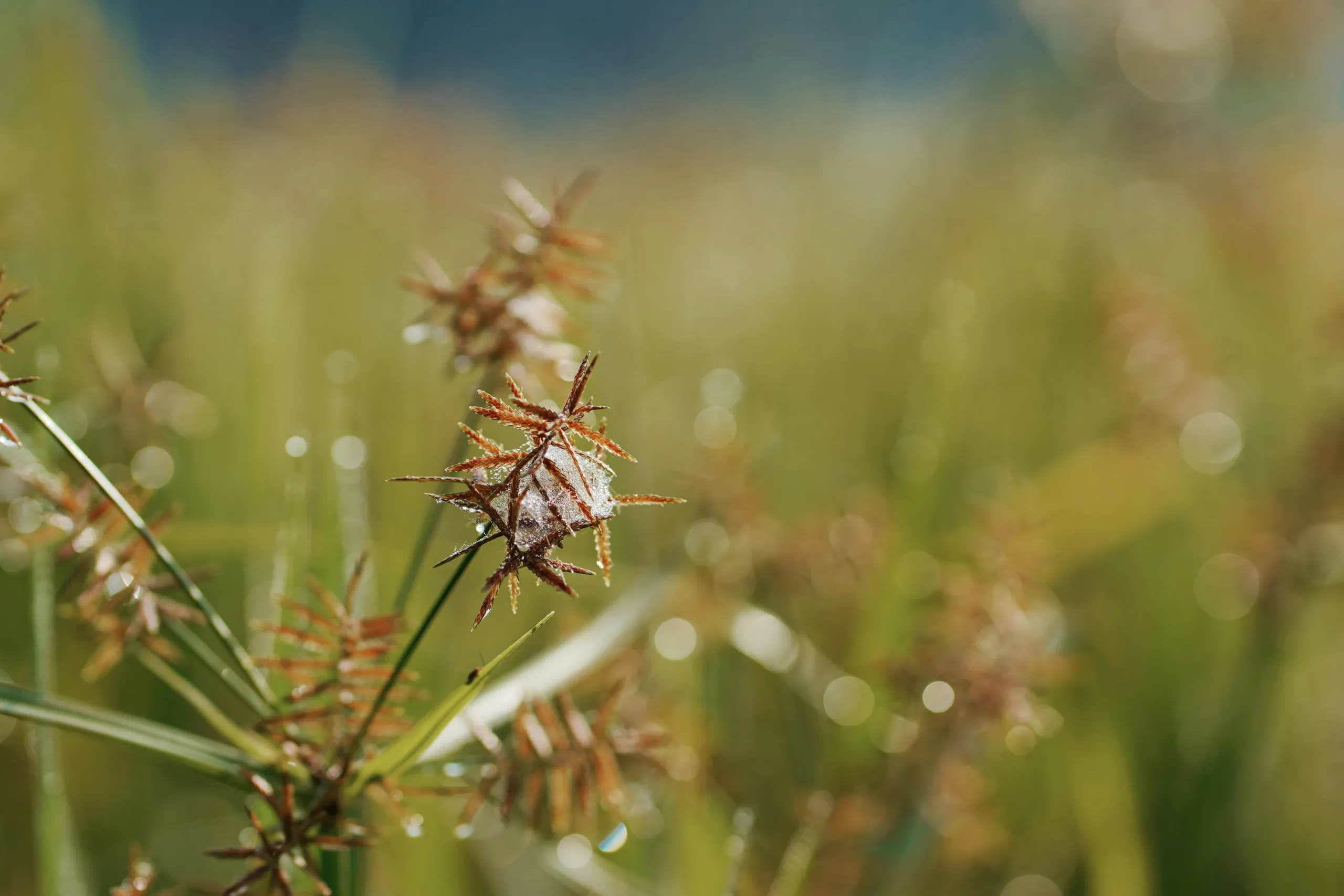
Weeds usually settle into areas where the lawn is already thin or stressed. Crabgrass can move in along sunny pavement edges and driveways. Dandelions may spread quickly in spring. Clover can appear in weaker turf, and nutsedge may show up where soil stays damp.
NexGreen’s weed control helps reduce active weeds while supporting thicker grass growth. The goal is to help the lawn become less inviting to weeds over time, not just clean up what is visible today.
Compacted soil can keep a lawn from responding well, even when it is watered and fertilized. Water may sit on the surface or run off. Roots may stay shallow. Thin spots may return in the same areas each year.
Aeration opens the soil so oxygen, water, and nutrients can move into the root zone more effectively. Overseeding adds fresh grass seed into thin and bare areas. In Highland, fall is usually the best time for aeration and overseeing because cooler temperatures and steadier moisture give new grass a stronger chance to establish before winter.
Grubs feed below the surface and damage grass roots. The lawn may begin to look dry, weak, or loose before the cause is obvious. NexGreen’s grub control helps protect the root system before underground damage spreads through larger sections of turf.
Some Highland lawns need support below the surface before the grass can improve above it. Soil conditioning may be recommended when compaction, pH balance, or nutrient availability is limiting healthy growth.
Lawn service should feel clear from the first step.
Start by requesting a quote for your Highland lawn. NexGreen gathers basic property details and learns what you are noticing outside.
We look at turf density, weeds, bare spots, compaction, possible grub activity, soil concerns, drainage patterns, shade, sun exposure, and seasonal stress.
Your plan may include fertilization, bio-nutrients, weed control, aeration, overseeing, grub control, soil conditioning, or lawn fungus support.
Treatments are scheduled at the right points in the season. In most cases, you do not need to be home as long as the lawn is accessible.
As the lawn responds and the season changes, NexGreen continues supporting the turf with treatments and recommendations that help it improve over time.
Highland lawns do best with cool-season grass.
Highland lawns are best suited for cool-season grasses that can handle cold winters, active spring growth, fall recovery, and periods of summer stress.
Kentucky bluegrass is common in Michigan lawns because it can create dense, attractive turf when maintained well. It recovers from wear, but it needs consistent care during hot or dry weather.
Tall fescue can be a strong choice for open areas, family yards, pet-use spaces, and lawns that need durable turf. It handles heat and everyday use better than some other cool-season grasses.
Perennial ryegrass germinates quickly, making it useful in overseeing blends. It can help thin areas look better faster while the rest of the lawn continues filling in.
Fine fescue is helpful in shaded or lower-light areas, especially near mature trees, wooded edges, fences, and lake-area properties where sunlight changes throughout the day.
Highland lawn care changes with every Michigan season.
Spring is when the lawn starts recovering from snow, cold, and winter dormancy. Pre-emergent weed control can help reduce crabgrass before it appears, while fertilization supports fresh growth. This is also a good time to look for snow mold, matted turf, salt-edge stress, drainage problems, and compacted areas.
Summer care should focus on protection. Water deeply in the morning when needed, avoid mowing too short, and watch for stress near driveways, open sunny areas, and sloped sections. Shaded or damp turf should also be monitored during humid stretches when disease pressure can build.
Fall is one of the best seasons to improve a Highland lawn. Aeration and overseeing can help repair thin areas, while fall fertilization supports stronger roots before winter. For lawns near wooded lots, leaf cleanup also matters because heavy leaf cover can smother grass.
Winter is mostly about limiting damage while the lawn rests. Avoid heavy traffic on frozen or soggy turf, keep thick leaves from sitting too long, and watch areas where snow piles may delay spring recovery.
Highland lawns may deal with crabgrass, dandelions, clover, nutsedge, ground ivy, and other broadleaf weeds. These issues often appear where turf is thin, shaded, compacted, underfed, or stressed by moisture changes.
Common lawn pests may include grubs, chinch bugs, sod webworms, and other turf-feeding insects. Grub damage is especially important to catch early because it begins below the surface and can weaken the lawn before the problem is easy to see.
Highland lawns may deal with crabgrass, dandelions, clover, nutsedge, ground ivy, and other broadleaf weeds. These issues often appear where turf is thin, shaded, compacted, underfed, or stressed by moisture changes.
Local facts help guide better lawn care timing.
USDA Plant Hardiness Zone: 6a
County: Oakland County
ZIP Code Reference: 48357
Average Annual Rainfall: About 32 to 36 inches
Average Annual Snowfall: About 60 to 68 inches
Average Summer High: Around 82°F
Average Winter Low: Around 16°F
Average Sunny Days per Year: About 165 sunny days
Typical Lawn Type: Cool-season turf
Common Soil Conditions: Michigan loam, sandy pockets, and clay-influenced soils with compaction, drainage variation, lake-area moisture, wooded shade, snowmelt saturation, and open-lot drying depending on the property
Recommended Watering Time: Early morning, before heat and afternoon evaporation
These facts matter because Highland lawns deal with true four-season pressure. Snow, spring thaw, lake-area moisture, shaded turf, summer heat, and mixed soil conditions can all shape how the grass grows. A better lawn care plan works with those conditions instead of treating every yard the same.
Better lawn care should fit the land, not just the calendar.
NexGreen focuses on helping lawns improve over time, not just look greener for a short stretch. Our program uses bio-nutrient treatments, fertilization, weed control, nutrient management, aeration, overseeing, grub prevention, soil conditioning, and seasonal support to help build stronger roots and thicker turf.
For Highland homeowners, that means your lawn care plan is based on what the grass is actually showing. We look at thin spots, weeds, soil compaction, possible grub activity, drainage patterns, wooded shade, snow recovery, lake-area moisture, and summer stress before recommending the next step.
Clear answers make lawn care easier to plan.
If your lawn is thin near the trees, damp by the lake edge, patchy after winter, or weedy by midsummer, NexGreen can help you build a stronger plan. Highland yards often have more natural variation than a typical suburban lot, so the lawn needs care that understands snow recovery, wooded shade, drainage changes, open sun, and cool-season grass timing.
Give your lawn steady support that helps it grow thicker, look cleaner, and feel more enjoyable through Michigan’s outdoor season.