Tree and shrub care for Farmington Hills landscapes with shade, color, balance, and seasonal support.
Farmington Hills landscapes often feel established, layered, and full of character. Mature trees, foundation shrubs, shaded beds, privacy plantings, and larger residential lots can make a property feel warm and settled. But those same features need steady care. Snow load, spring moisture, summer heat, insects, mites, shade, compacted beds, and tight planting spaces can all leave trees and shrubs looking uneven or tired.
NexGreen helps Farmington Hills homeowners care for trees and shrubs with trimming, fertilization, plant health treatments, and seasonal protection. The goal is to help the landscape look healthier, more balanced, and better maintained without making it feel overly cut back or unnatural.
Healthy plants need care that matches the property.
A shrub may slowly lose its clean outline. A tree may look heavier on one side after a season of growth. Leaves may dull after heat, insects, mites, or wet weather. Plants near pavement may dry faster, while shaded beds near mature trees may stay damp and thin.
Those small changes matter. When they are ignored, the whole landscape can begin to look tired even if the lawn is being maintained. Consistent care helps keep trees and shrubs looking intentional instead of overgrown, faded, or uneven.
Tree and shrub care should feel clear and useful.
NexGreen looks closely at the trees, shrubs, beds, and foliage around your yard. We check for thinning, fading color, uneven growth, insect pressure, winter stress, and areas that feel out of balance.
We explain what looks healthy, what may need support, and what could benefit from trimming, fertilization, plant health treatment, or seasonal protection.
Some plants need shaping. Others need health support. Some may simply need consistent seasonal care to stay on track.
Your plan may include trimming, fertilization, treatment, or seasonal protection depending on what your landscape is showing.
The work is completed with attention to plant health, natural shape, and the overall look of the landscape.
For many Farmington Hills properties, ongoing care helps prevent small plant issues from becoming more visible and keeps the yard looking balanced through the season.
Tree care should improve balance without making the yard look overworked.
Trees and shrubs shape the way a home feels from the street. They soften foundations, frame walkways, add shade, create privacy, and give the yard structure. When they look healthy and balanced, the entire property feels cleaner.
When they struggle, the yard can look unfinished. Shrubs may thin out. Leaves may lose color. Branches may grow unevenly. Dense growth may crowd windows, walkways, patios, or nearby plants. Tree and shrub care helps support plant health before those issues become harder to correct.
Tree trimming keeps growth balanced
Trees are often the strongest feature in a Farmington Hills landscape. They can provide shade, structure, and a more established look. They can also become dense, uneven, or stressed by snow load, wind, insects, and soil conditions.
You may notice branches growing heavier in one area, foliage thinning, or a canopy that feels crowded. Sometimes the tree needs careful trimming. Other times, the plant needs health support first.
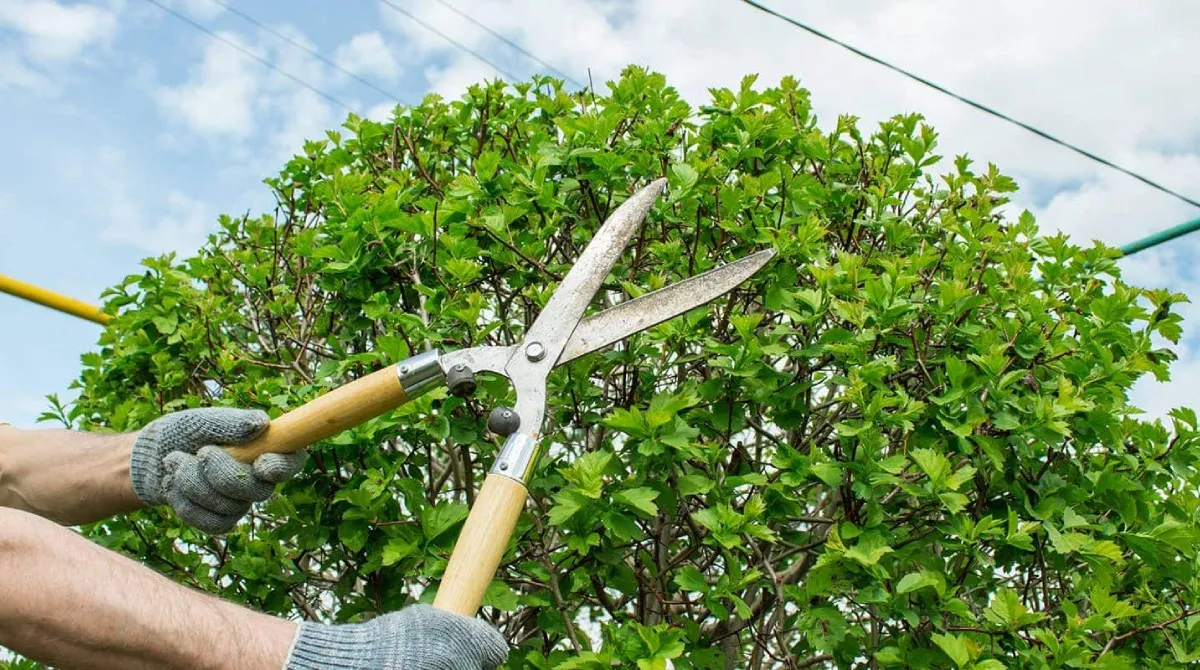
Trimming helps guide growth and improve the overall shape of the tree. The goal is not to remove too much. It is to keep the tree looking natural, balanced, and healthier as part of the larger landscape.
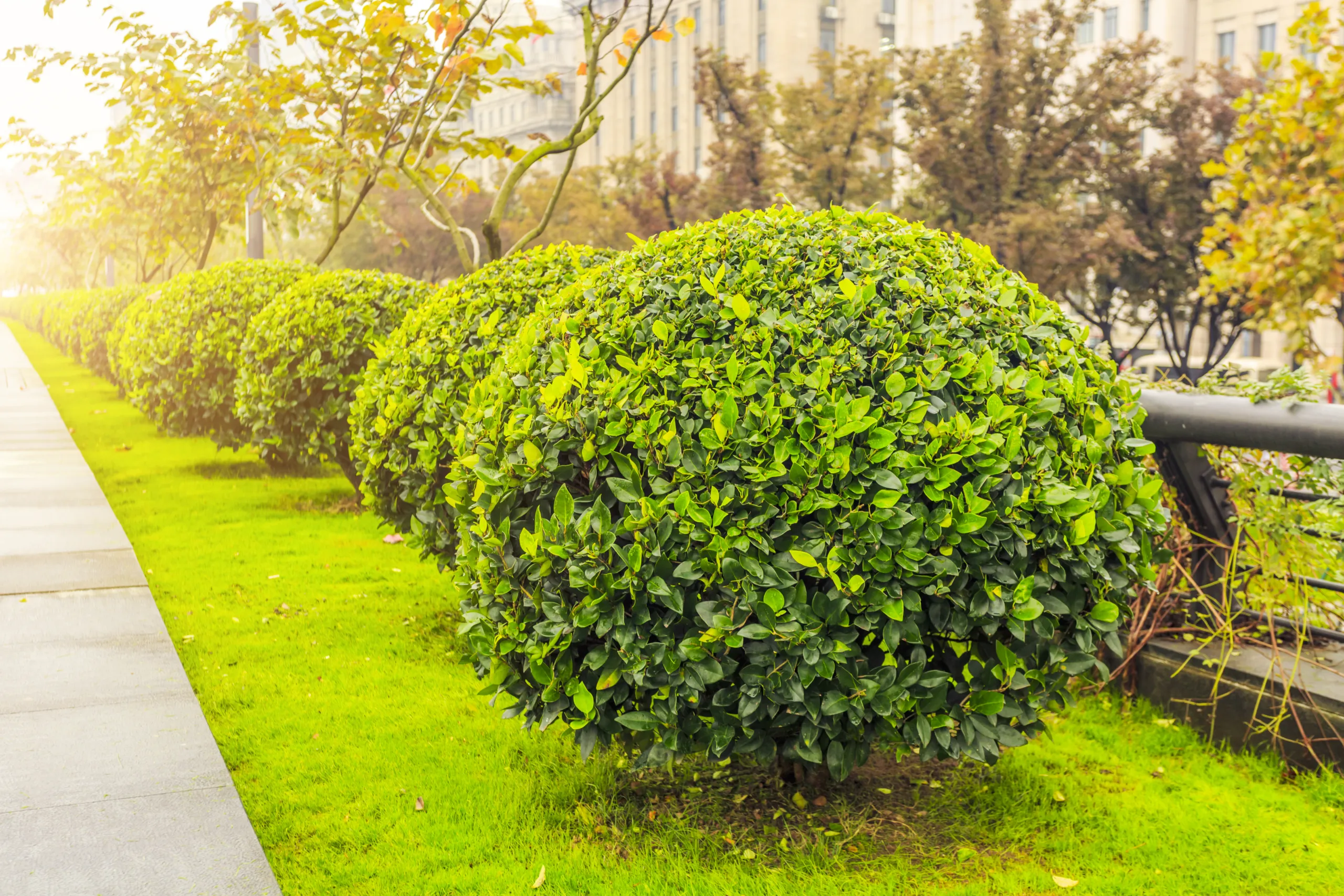
Shrubs are small details that can change the whole yard.
Shrubs sit near the areas people notice most: front entries, walkways, windows, patios, and landscape beds. When they are shaped and healthy, the home looks more polished.
Shrubs may spread past their intended shape, crowd nearby plants, thin in shaded sections, or lose color after stress. Some shrubs grow dense on the outside while looking sparse underneath.
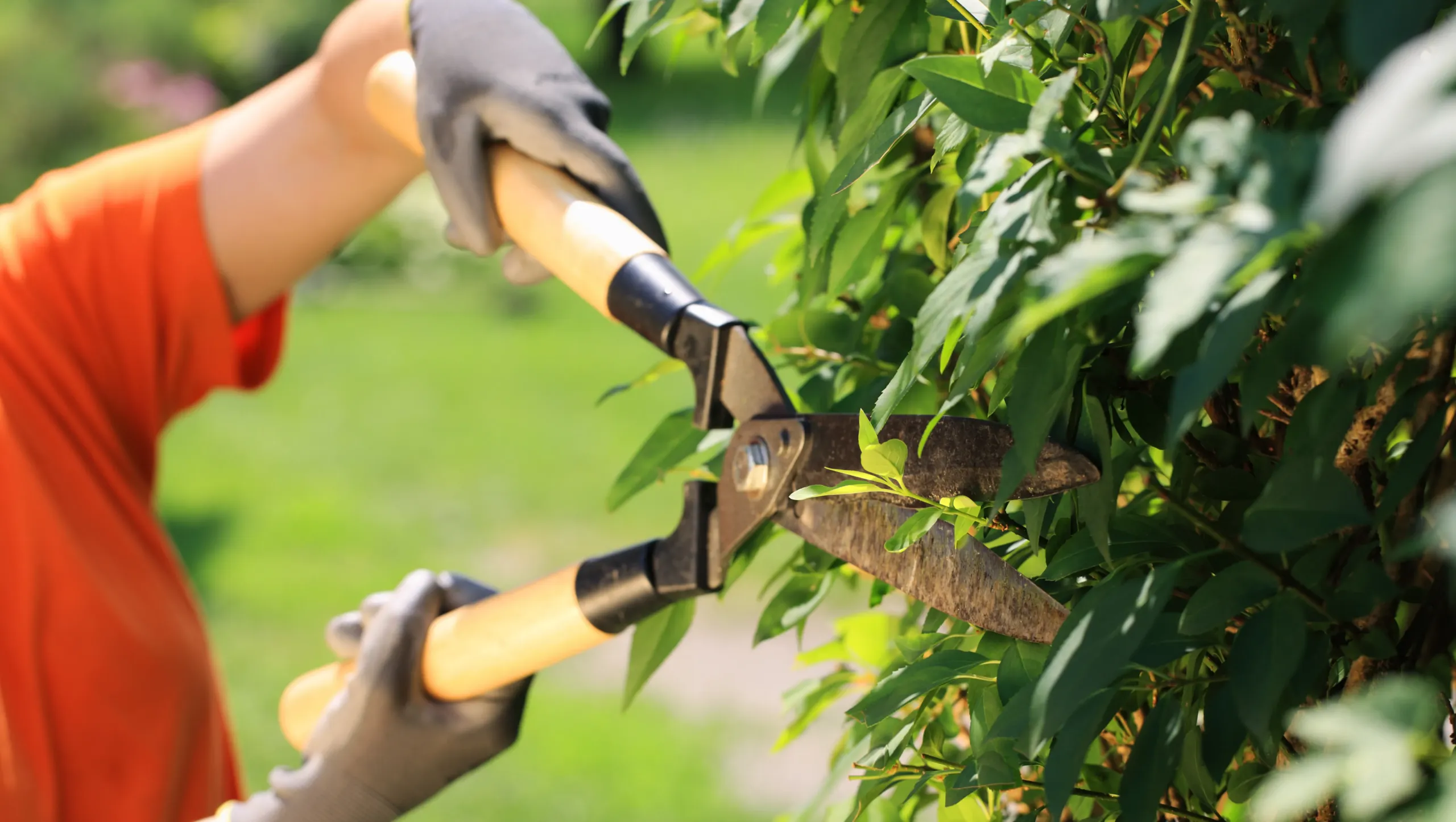
Regular trimming helps shrubs keep their form and prevents them from crowding walkways, windows, patios, or other plantings. It keeps the landscape neat without making it look stiff.
Fertilization may help when shrubs look faded, thin, slow- growing, or stressed after heat, insects, mites, winter exposure, or seasonal changes. Better nutrition can support fuller growth and improved color over time.
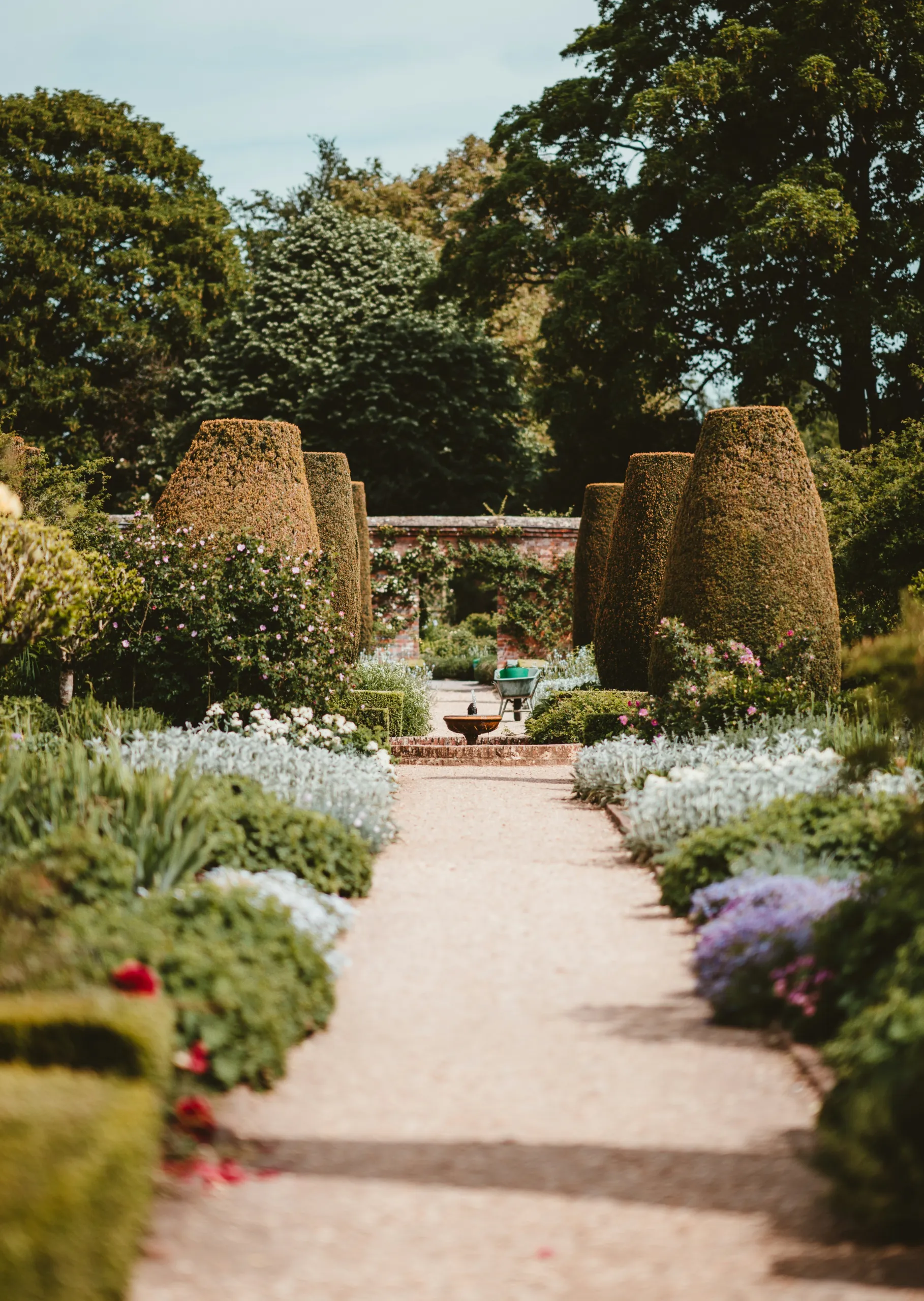
A healthy landscape works as one connected space.
Tree and shrub care works best when the full landscape is considered. One tree may need balancing. A front shrub row may need trimming. A shaded bed may need plant health support. A sunny area near pavement may need help recovering from heat stress.
NexGreen looks at the full landscape before recommending care. The goal is to support the plants already there so the yard feels cleaner, healthier, and more consistent.
Fertilization helps plants recover from seasonal stress.
Fertilization helps trees and shrubs maintain better color, stronger growth, and healthier foliage. In Farmington Hills, plants move through wet springs, warm summers, snowy winters, and stretches of freeze- thaw stress. Shade, pavement heat, compacted beds, insects, mites, and moisture shifts can all affect how plants recover.
NexGreen uses fertilization, treatment, and seasonal protection to support plant health. Early- season care helps plants start strong. Mid- season treatments help protect foliage from insects, mites, and stress. Later- season support helps the landscape stay more consistent.
Common issues in Farmington Hills yards
Most landscapes do not need a full redesign. They need steady care that helps the existing trees and shrubs look healthier and more intentional.
Clear answers help you plan the next step.
If your trees and shrubs are starting to look crowded, dull, uneven, or worn down after winter and summer stress, NexGreen can help bring the landscape back into balance. Farmington Hills properties often have mature plantings, shade, moisture changes, and compacted beds working together, so plant care should be based on what your yard is actually showing.
Help your landscape keep its established, well- cared- for look with steady support for the trees and shrubs that shape the whole property.