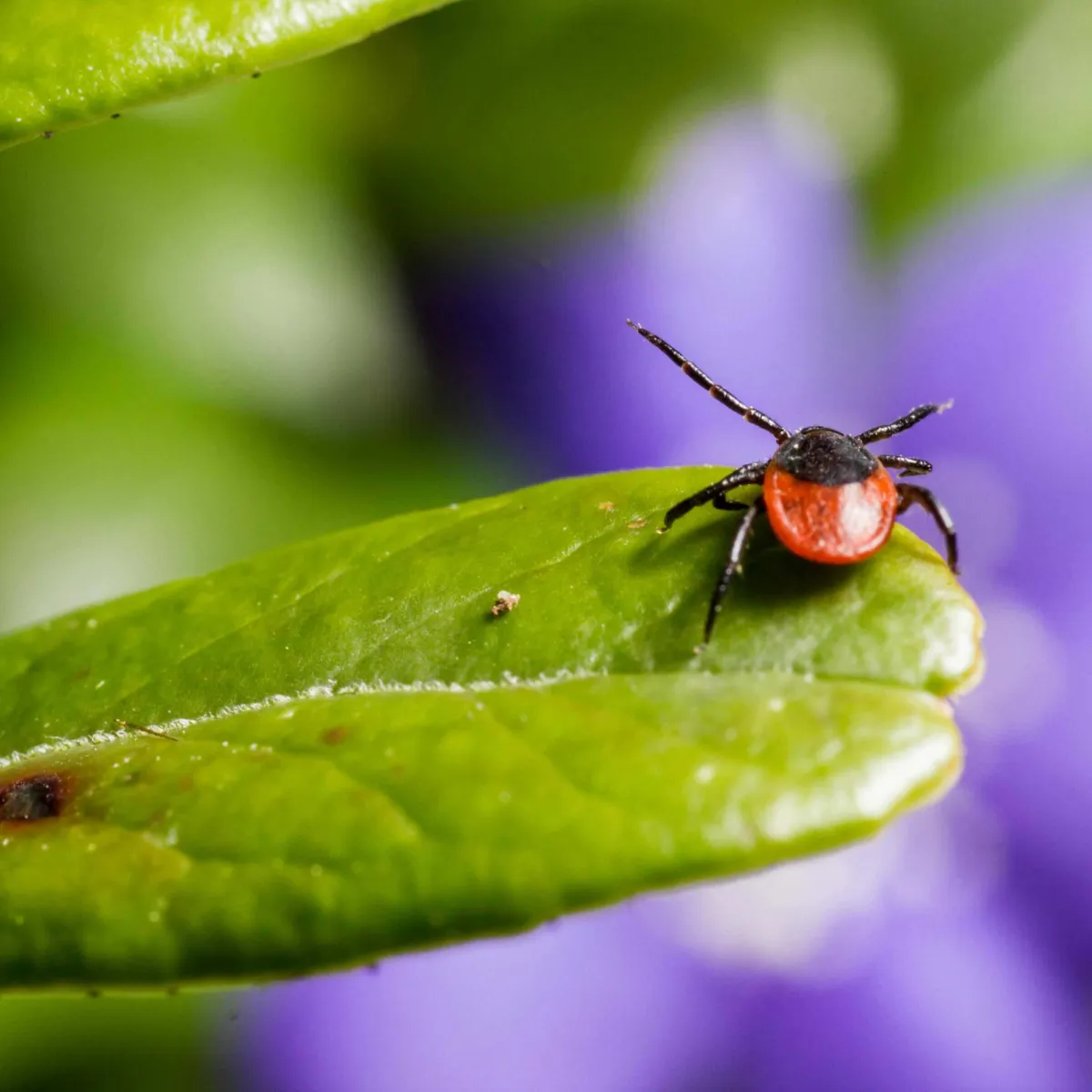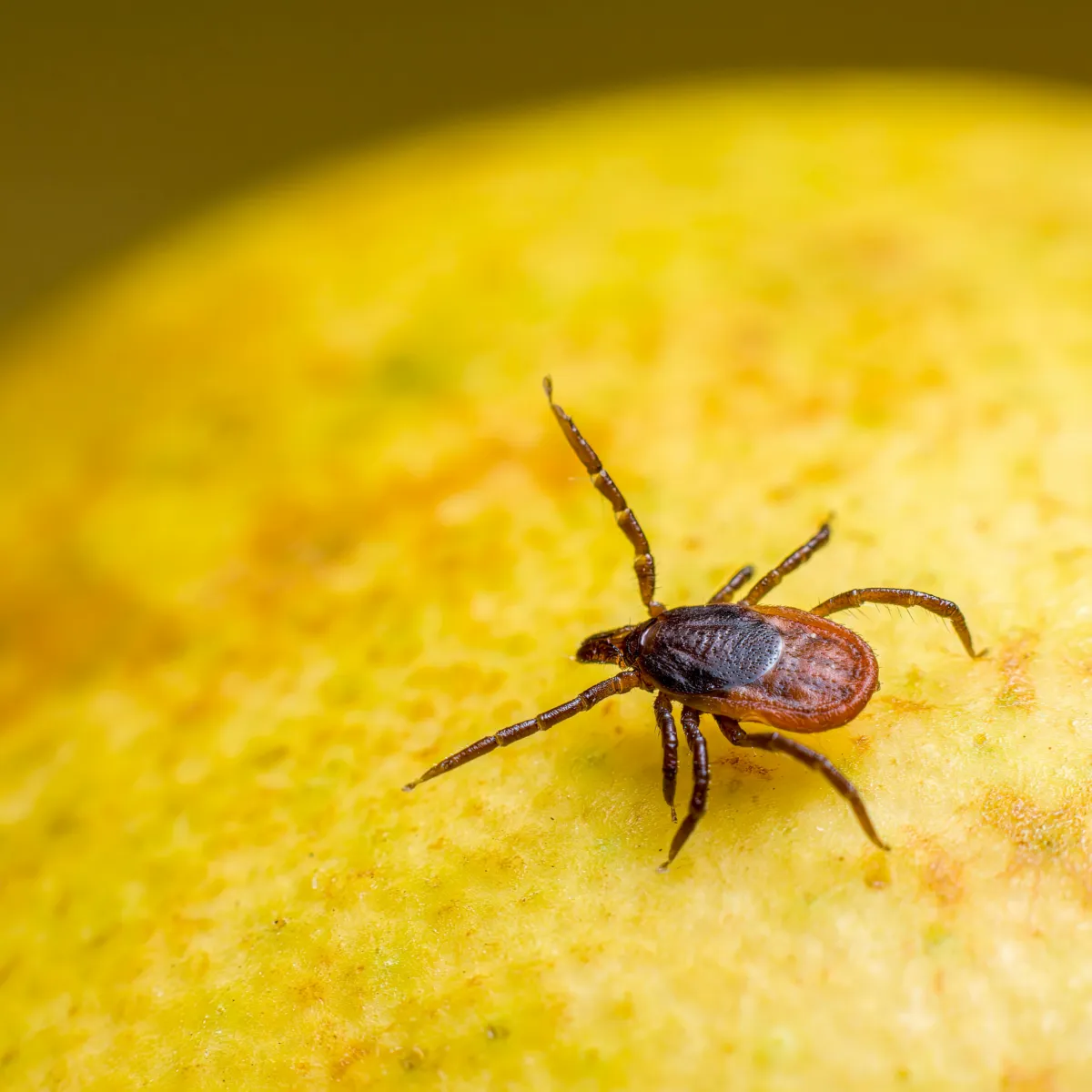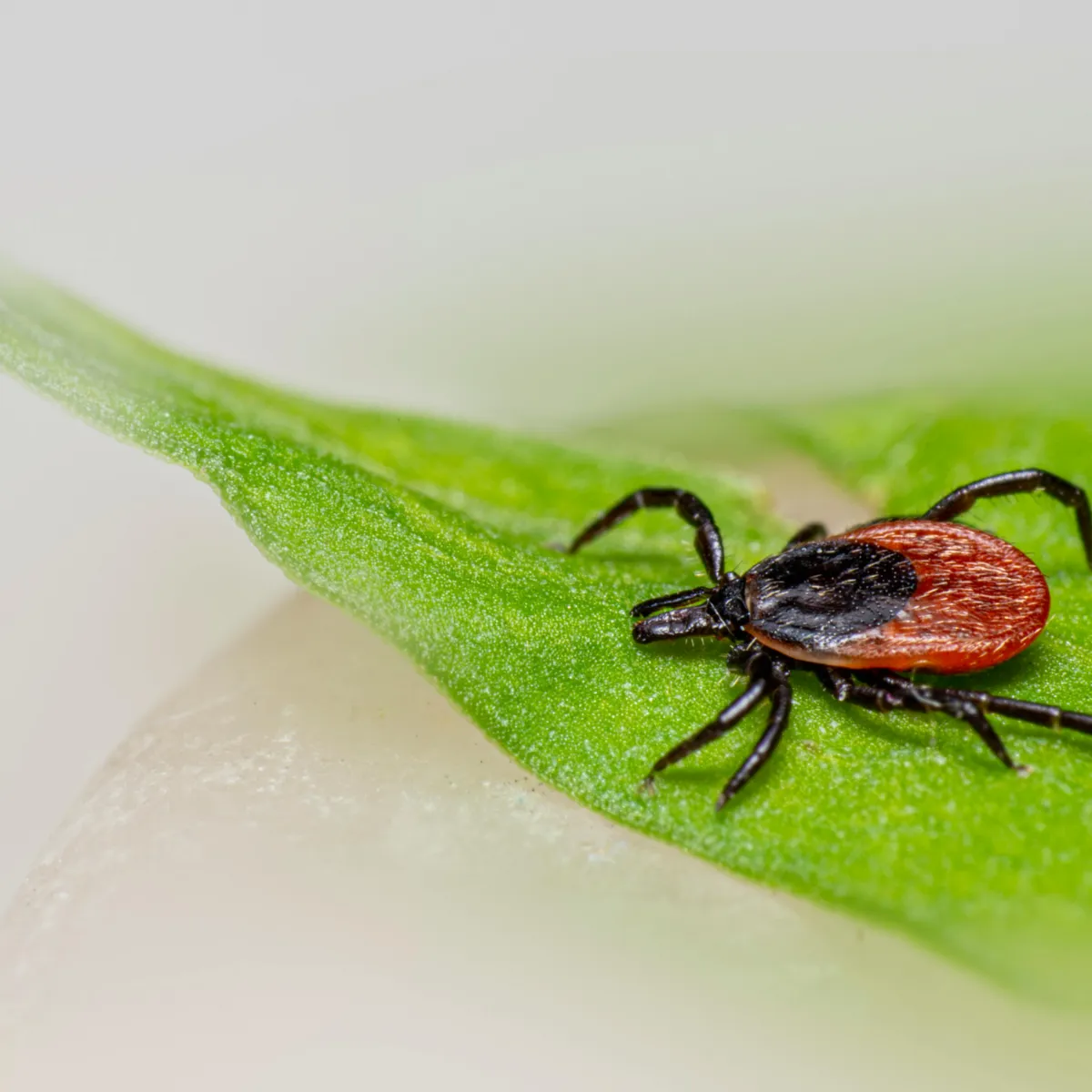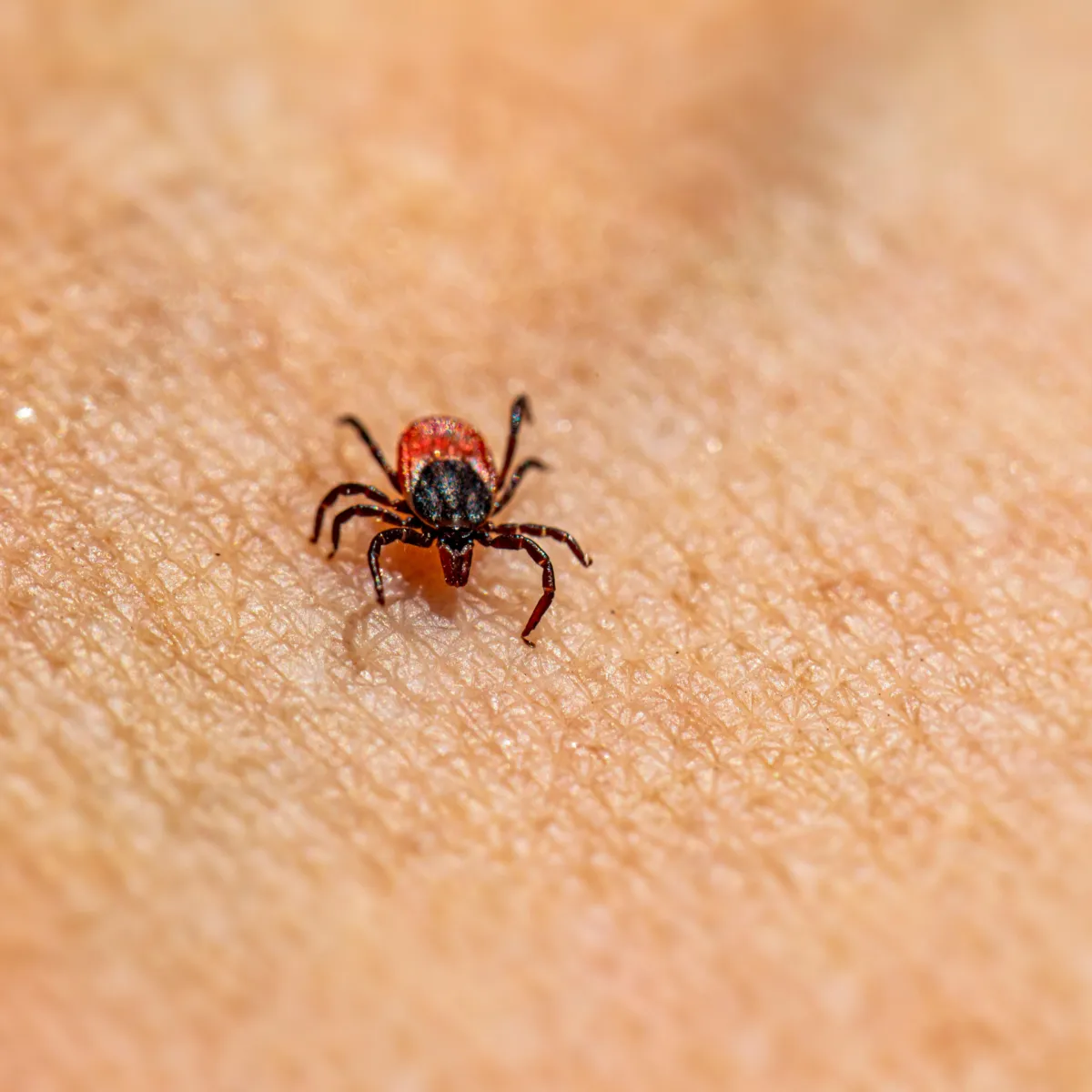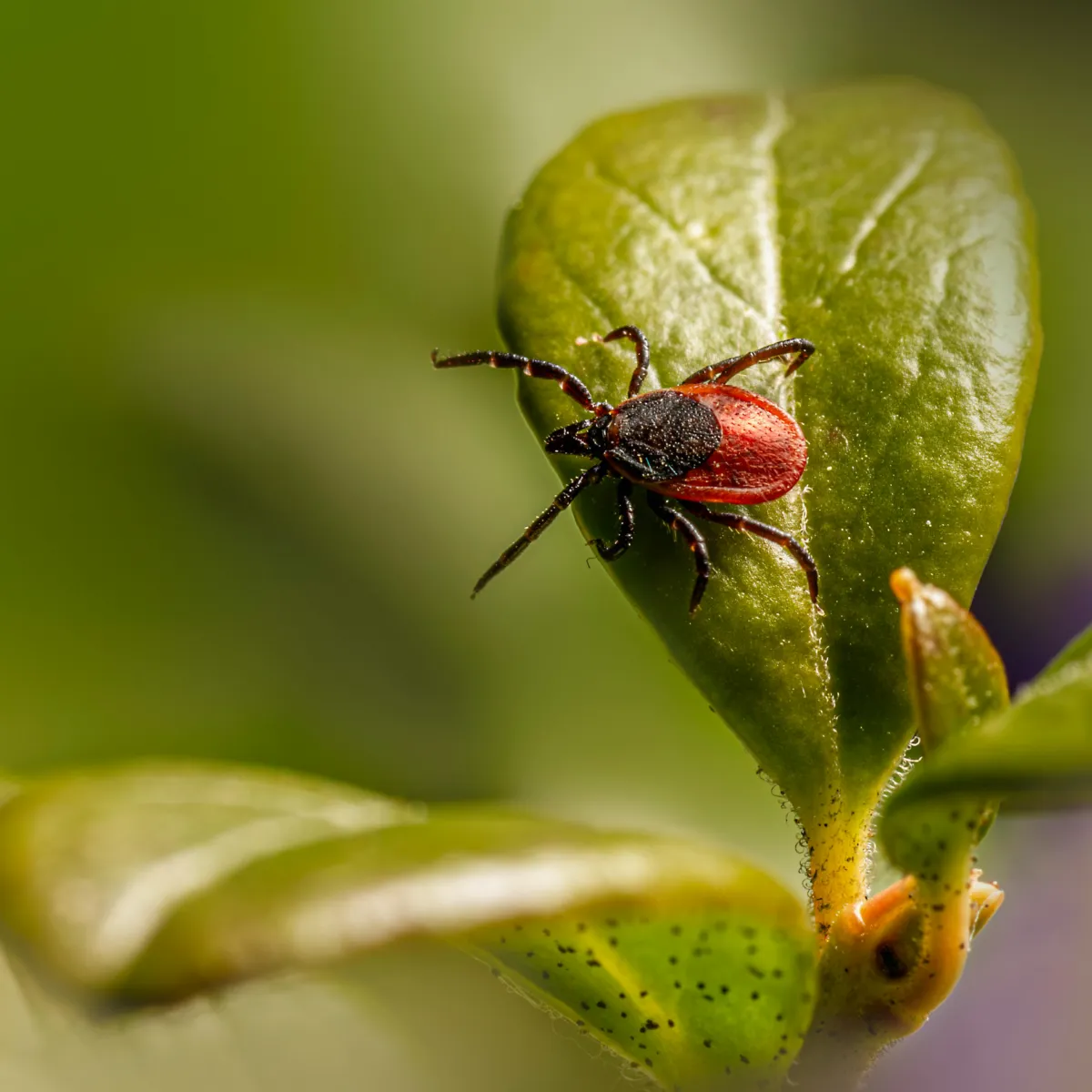
The trouble with ticks is that they rarely start in the part of the yard anyone is paying attention to.

Tick Control in Brighton, MI

In Brighton, a yard can look neat, freshly cut, and well cared for while still holding a few sections that stay favorable for tick activity. The problem usually begins in the quieter parts of the property, not in the center of the lawn. It tends to build where grass meets rougher growth, where shrubs cast longer shade, or where moisture lingers after the rest of the yard has already dried out. Those sections often seem minor until they begin affecting the way the property feels in everyday use.

NexGreen provides tick control in Brighton, MI with attention on the parts of the yard that are most likely to keep the issue going. Instead of treating the property like one flat, uniform space, the service is built around the way the yard actually behaves from section to section. That means looking at cover, shade, damp ground, and the routes that pets and people use most often across the property.

Once those source areas are identified and treated properly, the yard usually feels much easier to use. That is the practical change most homeowners care about. It is not only about reducing hidden activity. It is about taking away the uncertainty that starts creeping into normal time outside.

Get ready for summer with our limited time offer!

Enjoy your yard this summer by treating mosquitos early in the season. Schedule your service today!

Only $39.95 for your first service

Get A Quote

The most useful treatment plan is usually the one that recognizes which few sections of the property are quietly doing the most damage.

Professional Tick Control Services in Brighton, MI

Most Brighton yards do not have equal pressure everywhere. They usually have a pattern. One border may stay open and dry while another sits against thicker planting or tree cover and behaves very differently. A side yard may hold shade long into the afternoon. A low back section may stay soft after rainfall. These differences are what often explain why the same strip, path, or corner keeps becoming the part of the yard that homeowners worry about most.

That is why NexGreen starts with the property itself. The service is designed to focus on where activity is most likely to hold and where that activity is most likely to move next. Treatment is directed toward those sections first and then toward the nearby outdoor spaces that connect to daily life, including lawn areas, patios, pet routes, walkways, play areas, and bed lines.

A stronger result usually comes from treating the source and the exposure zones together. That approach helps reduce not just what is hidden, but also the ways hidden pressure keeps working back toward the parts of the property that get used every day.

Good control starts when the yard is treated according to how the problem forms, not just where it finally gets noticed.

Our Tick Control Process

Inspect the Property

The first step is understanding how the property really behaves. We look at shade, moisture, growth thickness, outer borders, and daily movement patterns. That helps identify the parts of the yard that are most likely to keep supporting repeat activity.

Treat Tick-Prone Areas

Once those zones are identified, treatment is applied where activity is most likely to stay active. That may include bed edges, perimeter strips, fence lines, low areas, and the heavier transitions where maintained turf gives way to rougher growth.

Create a Protective Barrier

After the main source areas are treated, attention shifts to the spaces the household uses most. That can include lawns, patios, pet areas, walkways, and outdoor sitting spaces so activity is less likely to work back into those sections.

Continue Protection

Because the yard changes throughout the season, ongoing service helps keep those same areas from becoming favorable again. Growth, rainfall, and shade patterns all shift over time, and continued attention helps hold the line against repeat pressure.

A tick problem often becomes real only after it starts interfering with routines that used to feel automatic.

Why Tick Control Matters in Brighton?

Homeowners usually do not discover a yard issue the moment it begins. They notice it after a pet comes inside, after time spent in the grass, or after the same area of the property keeps drawing attention more than once. By then, the yard has often been supporting the issue quietly in the background for longer than anyone realized.

Brighton properties can create that kind of repeat pressure fairly easily because many yards include a mix of open lawn, shaded borders, heavier landscaping, and slower-drying ground. A property does not need to look neglected. It only takes a few protected sections that stay favorable longer than the rest of the yard. Once those sections settle into that pattern, the same concern often keeps resurfacing.

That matters because the effect is practical, not abstract. It changes how pets use the yard, how families move through outdoor space, and how comfortable the property feels overall. Treating the right areas helps break that cycle before the same problem keeps repeating itself around the same routines.

The areas ticks like most are often the ones people stop noticing because they blend into the background of the yard.

Where Ticks Hide Around Your Yard?

Ticks tend to stay close to the ground in the parts of the property that offer shelter. Around a home, that often means thicker grass at the edge of the lawn, mulch beds under shrubs, shaded strips near a fence, and the places where leaves or loose debris collect. These are not always dramatic spots, but they often hold cover and moisture longer than open grass.

Other hiding places can be even easier to miss. The ground along a retaining wall, the edge behind a shed, the line beside a deck, or the narrow side yard that does not get much sunlight can all stay favorable longer than homeowners expect. Those are the areas that often look harmless until they begin acting like repeat source zones.

Pets make those sections more important because they tend to follow the same routes over and over. If a dog moves along a fence line or cuts beside a border every day, that path can become the easiest connection between hidden activity and the spaces closest to the house.

A yard feels different when the spaces closest to everyday use stop feeling connected to hidden trouble spots.

Tick Prevention for Families and Pets

The reason tick control matters so much for families is that the problem usually reaches daily routines before it feels fully visible. Dogs move through shaded borders and low cover without hesitation, and children often play right beside the same lawn edges or bed lines that are easiest to overlook. The result is that the issue rarely stays confined to one hidden strip of the property for long.

Treatment helps reduce activity in and around the places that matter most, including lawns, paths, play spaces, and pet routes. That makes the yard easier to use in a normal way again. Homeowners do not have to keep thinking about which corner, border, or path may be doing the same hidden work in the background.

The yard changes one season at a time, and tick pressure usually follows those changes very closely.

Seasonal Tick Control in Brighton

Spring

Spring often brings the first clear change in yard conditions. Growth returns quickly, bed edges fill in, and the ground stays softer after rain. Protected sections, especially along fences or beneath shrubs, often become favorable before the rest of the lawn looks much different.

Summer

Summer tends to sharpen the difference between open turf and sheltered ground. The sunny center of the yard may dry quickly, but the back edge, the side strip by the house, or the denser planted sections can stay cooler and heavier. Those are often the sections that carry the most pressure through the warmest months.

Fall

Fall can keep the same problem areas active by adding fresh cover. Leaves collect, sunlight shifts, and some parts of the property dry more slowly than they did in midsummer. If a section already had a tendency to hold activity, fall often extends that pattern.

Rain / Moisture

Rain usually reveals the weak points of a yard. Some sections dry quickly while others stay damp far longer. Those slower-drying borders and corners are often the same places that keep becoming repeat trouble spots.

The best service usually comes from understanding why one section of the yard keeps acting differently from the rest.

Why Choose NexGreen for Tick Control in Brighton?

NexGreen takes a yard-specific approach to tick control, which matters because most Brighton properties do not have uniform conditions. The issue usually comes from a handful of source areas, not the entire lawn. When those areas are identified correctly and treated with purpose, the overall result is more useful and tends to hold better over time.

Homeowners usually want more than a broad application. They want service that reflects the way the yard actually works, including where it holds moisture, where pets travel, and where the outdoor living spaces sit in relation to the protected edges. That is what makes the treatment feel practical instead of generic.

A few simple habits can make the property less comfortable for ticks, especially when they support the treatment plan between visits.

Tick Prevention Tips

Keeping grass under control helps reduce the low cover ticks prefer. Cleaning up leaf buildup, trimming overgrowth along borders, and opening up dense sections near fences or sheds can also help limit the kinds of protected spaces that stay favorable too long.

It also helps to notice what the yard does after wet weather. If one edge stays damp, one strip grows heavier, or one pet route always runs beside thick cover, those are strong clues about where the property needs the most support. Those steps help most when they work alongside treatment rather than trying to replace it.

Sometimes the best first move is not treating everything --- it is treating the part of the yard that is clearly causing the most trouble.

One-Time Tick Treatments

A one-time tick treatment can be a smart option when the issue seems tied to one section of the yard. That may be a border near the patio, a shaded side run, a pet path, or the strip along a fence that keeps drawing attention. In those cases, focused treatment can help reduce pressure quickly in the area creating the most concern.

For some homeowners, that level of service is enough. For others, it becomes the first step before deciding whether the property has larger conditions that are likely to keep rebuilding the same problem elsewhere later in the season.

When a yard keeps producing the same issue, a recurring plan often works better than waiting for the next round to arrive.

Recurring Tick Control

Recurring service is often the better fit for properties where the same shaded, covered, or damp sections keep becoming favorable. Those conditions do not usually disappear on their own, and they tend to line up again as the season changes.

That ongoing attention helps prevent the same borders, corners, and paths from becoming active again before homeowners are dealing with the same concern all over again. For many properties, that consistency is what makes the biggest long-term difference.

The same yard conditions that create trouble in one place often show up across neighboring communities too.

Tick Control Near Brighton / Areas Served

NexGreen provides tick control in Brighton and nearby Waterford-area communities where properties often share similar patterns, including mixed sun and shade, tree cover, denser landscaping, and border areas that hold moisture longer than open lawn.

The questions homeowners ask most often usually come from the part of the yard that keeps becoming a repeat issue.

Tick Control FAQs

Get a Quote for Tick Control in Brighton

If ticks keep showing up around the yard, NexGreen can help identify which sections of the property are driving the issue and treat them directly. Book your tick control service for Brighton or schedule a quote today to get started.