Where New Subdivisions Meet Active Tick Corridors
Macomb Township’s rapid growth has brought thousands of families to newer subdivisions along Romeo Plank Road, Hayes Road, and the corridors off 23 and 24 Mile. That growth has placed homes directly adjacent to the wetland corridors, naturalized drainage areas, and wooded edges that border the Middle Branch of the Clinton River, exactly the kind of transitional habitat where blacklegged tick populations build up. Deer, raccoons, and opossums move freely through those corridors, carrying ticks into maintained yards along the way.
Macomb County Health Department data shows blacklegged ticks collected locally tested positive for the bacteria that causes Lyme disease in 2021, 2022, and 2023. For families spending time in Macomb’s new outdoor living spaces, that risk is not theoretical.
NexGreen provides professional tick control in Macomb focused on the zones where ticks actually concentrate, so your yard becomes safer for the people and pets who use it most.
Get ready for summer with our limited time offer!
Enjoy your yard this summer by treating mosquitos early in the season. Schedule your service today!
Only $39.95 for your first service
Mapped to Your Property's Pressure Points
NexGreen’s tick control service begins with a careful assessment of your lawn and yard, identifying the shaded edges, fence lines, landscape beds, low-lying areas that hold moisture after rain, and the transition zones between maintained lawn and naturalized borders where ticks are most likely to build up. Treatment is then applied to the tick-prone zones identified, with a protective barrier established along lawn edges, the foundation perimeter, shrubs and landscape beds, around sheds, under decks, and near the outdoor areas families and pets use most. Patios, decks, pools, play areas, fire pits, pet runs, and outdoor dining areas are all part of what the service is designed to protect. Recurring service options keep protection active throughout Macomb’s tick season rather than depending on a single application.
From the First Visit Through the Season
We review the lawn and yard systematically, noting shade patterns, moisture zones, vegetation type, wildlife corridors, and how the property connects to surrounding naturalized edges or green space.
Targeted treatment is applied to the specific zones where ticks concentrate: shaded edges, landscape beds, fence lines, transition areas, and any other hotspots identified during the inspection. This is not a broadcast spray across the full lawn.
A barrier is created along lawn edges, the foundation perimeter, fence lines, shrubs, under decks, around sheds, and near the outdoor areas your family and pets use regularly. The goal is a treated boundary between tick habitat and the spaces people actually occupy.
Ticks return throughout Macomb's active season as wildlife continues moving through the property and neighboring corridors. Recurring service maintains the barrier and prevents activity from rebuilding between visits.
The Risk Is Growing as the Township Grows
Macomb Township’s expansion into previously undeveloped land has not reduced tick pressure, it has relocated it into residential yards. As subdivisions replace agricultural land and naturalized areas, the wildlife and vegetation that support tick populations move to the remaining green corridors, which now border directly against new homes. That edge effect is one of the main reasons tick pressure in newer Macomb neighborhoods can be surprisingly high.
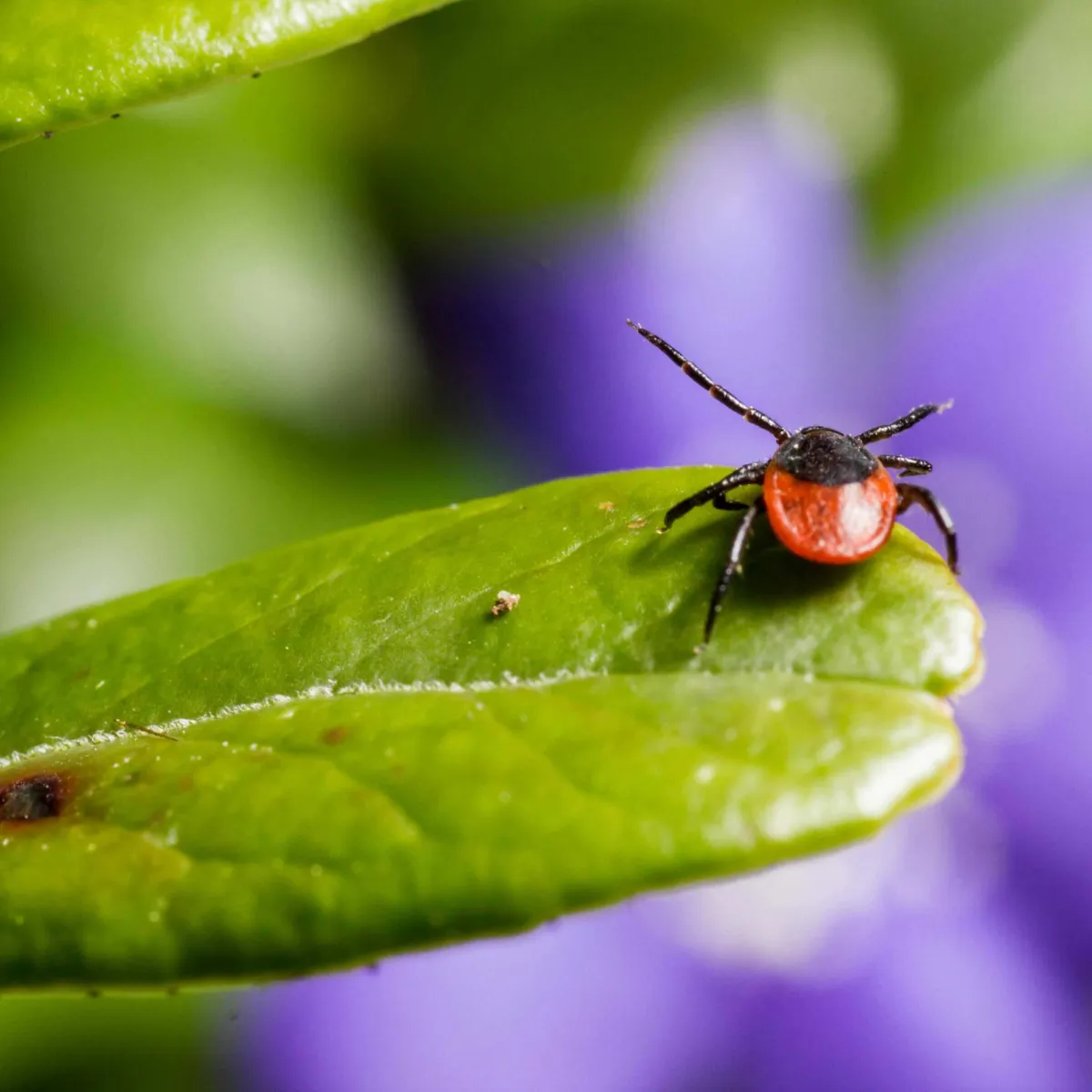
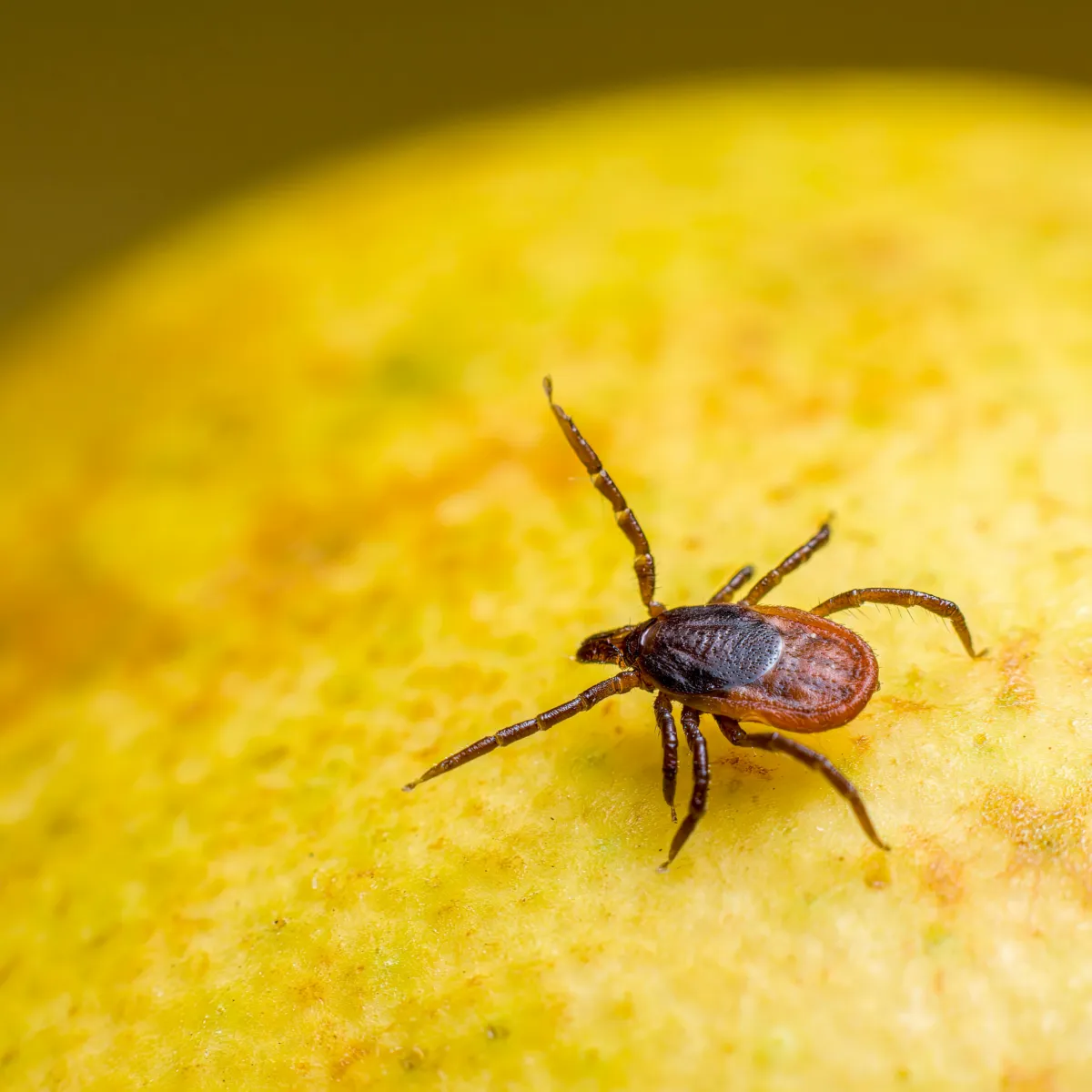
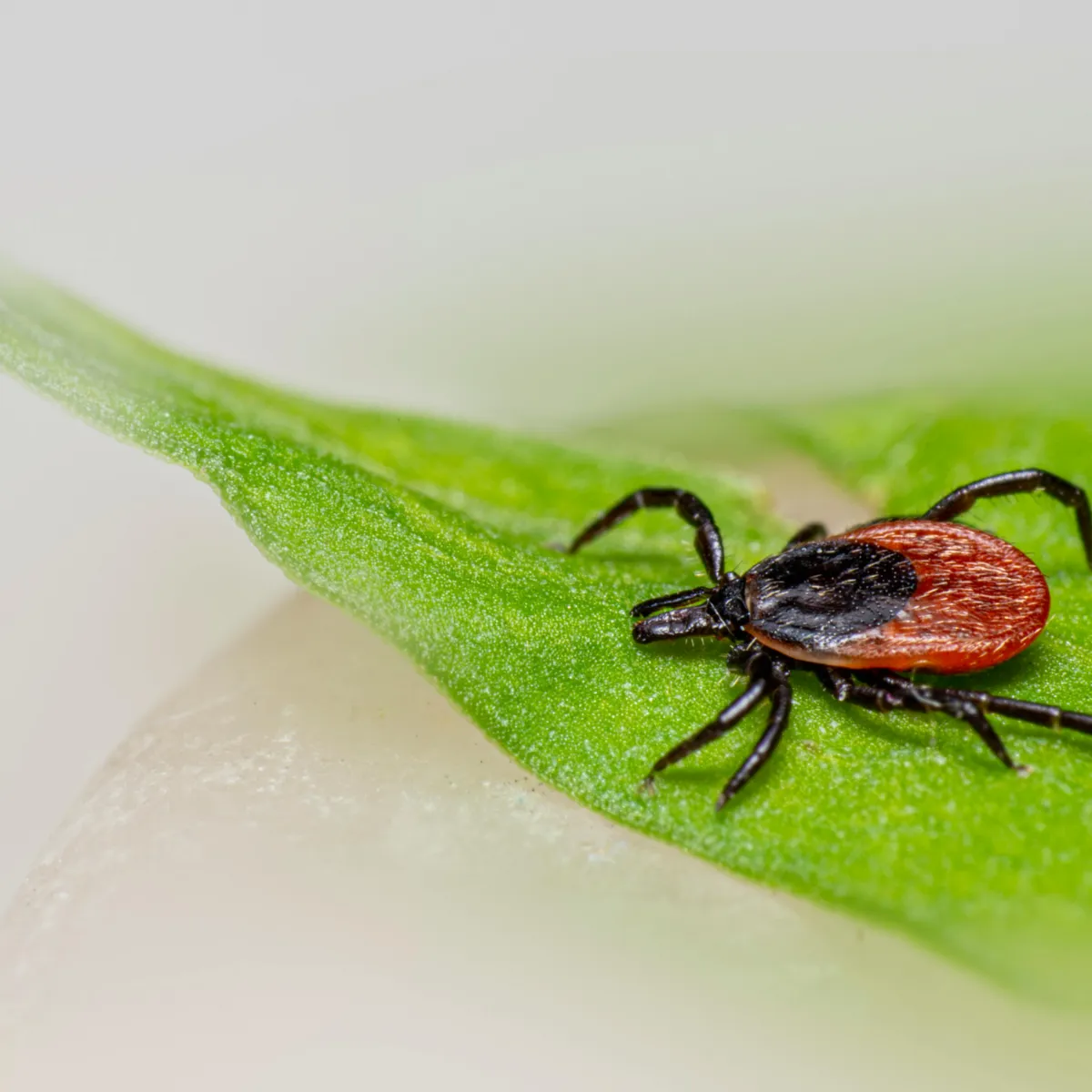
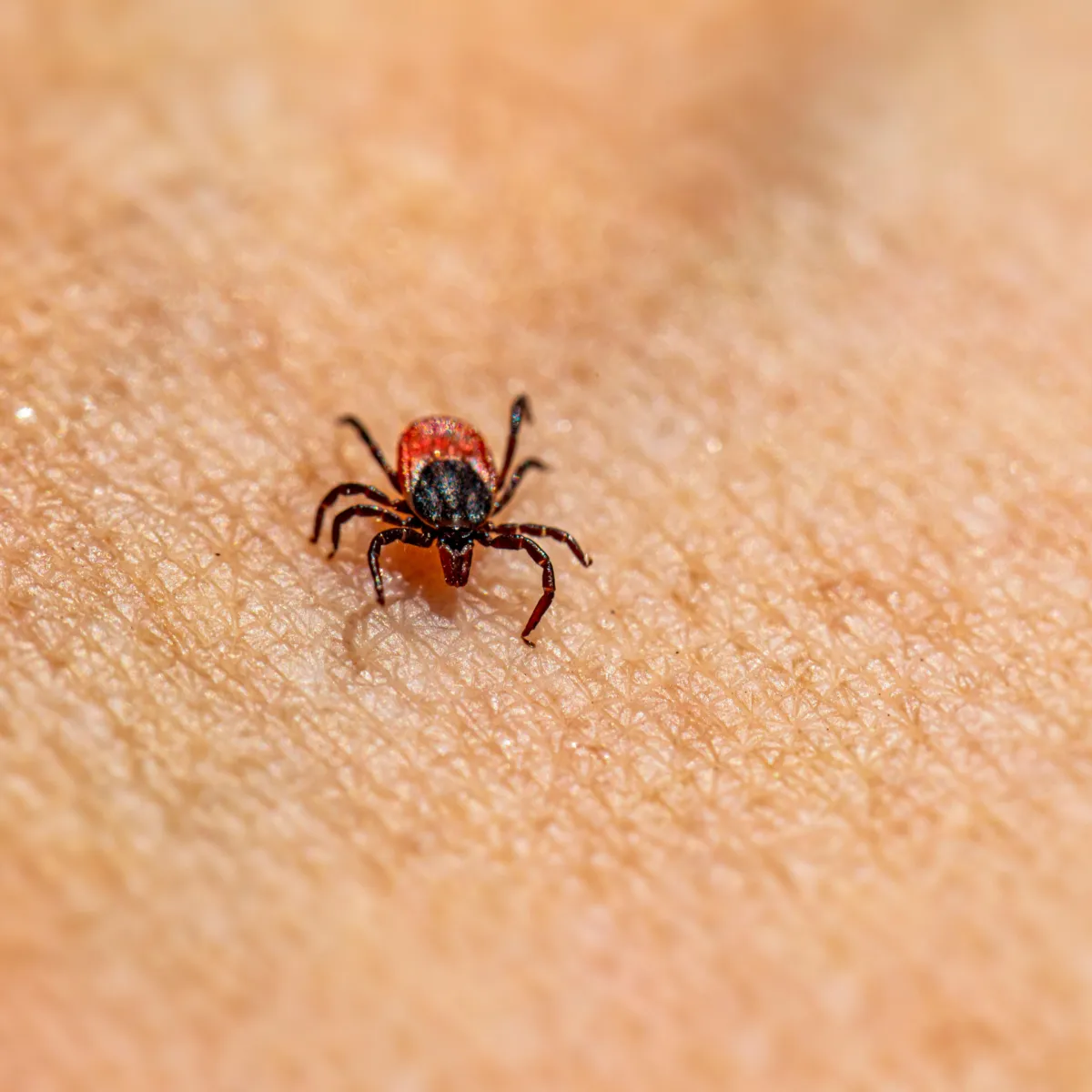
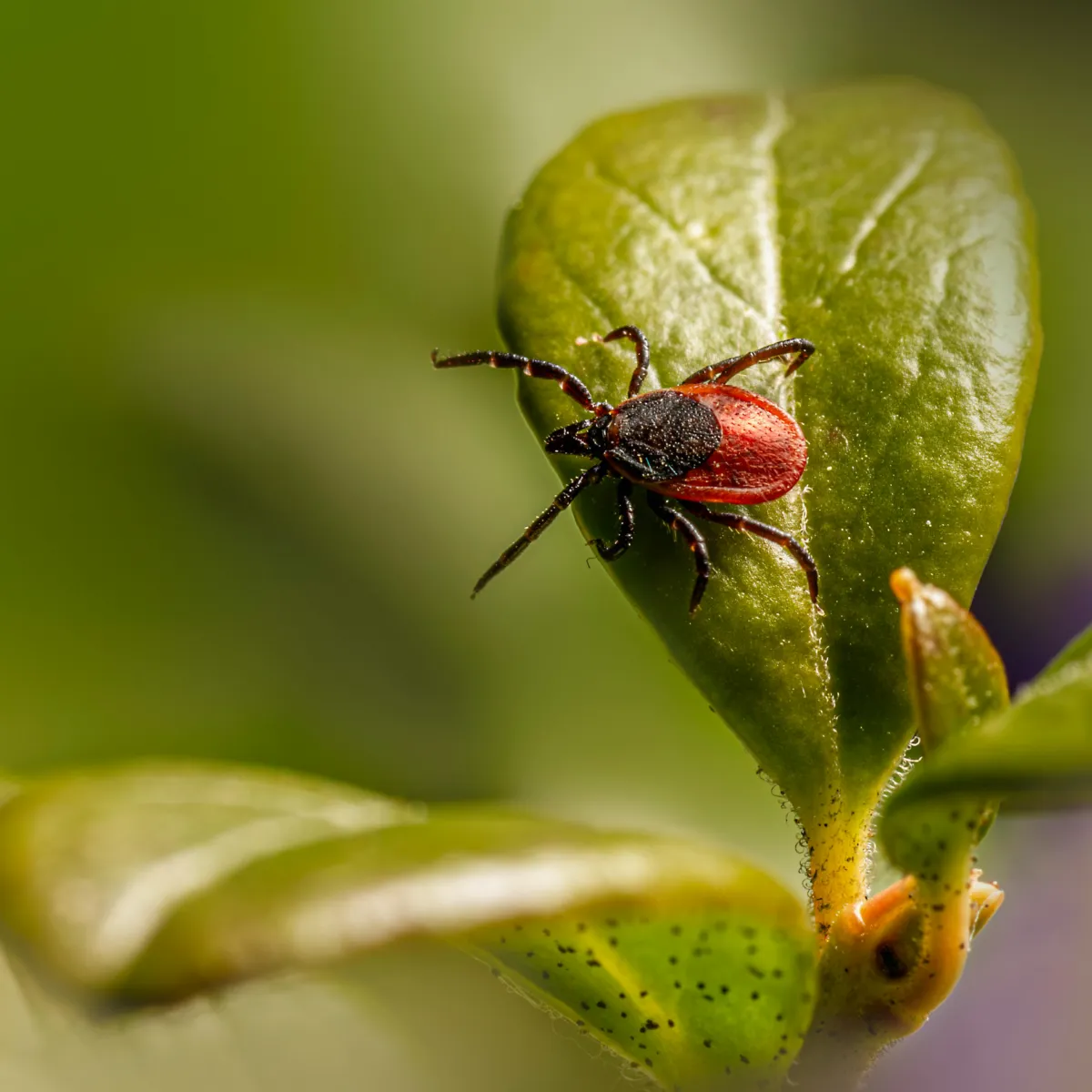
Blacklegged tick nymphs are the stage most responsible for Lyme disease transmission and are roughly the size of a poppy seed, small enough to attach and feed without being noticed. By the time a bite is discovered, transmission may have already occurred. The Macomb County Health Department has monitored tick populations since 2018 and confirmed Lyme-positive results in locally collected samples across multiple recent years. When ticks are established in the county, not just visiting, the risk extends from hiking trails into backyard lawn edges and landscape beds.
Wildlife activity amplifies that pressure in Macomb. Deer browse through naturalized borders and retention pond edges. Raccoons and opossums move through the same corridors. Each one deposits ticks that can re-establish in your yard independent of how well-maintained the lawn is. Professional yard treatment addresses that ongoing reintroduction rather than just reacting after ticks appear.
Not Just the Back Edge of the Yard
Ticks do not spread themselves evenly across a yard. They concentrate in specific micro-environments and wait for a host to pass. In Macomb properties, the zones that consistently produce the highest tick activity include the transition line between maintained lawn and naturalized borders or retention pond edges, shaded areas under decks and around storage sheds, dense landscape beds with thick mulch or ground cover, fence lines that connect to neighboring vegetation, wood piles and leaf accumulations near the foundation, low-lying areas that stay damp after rain, and anywhere deer trails pass close to the yard. Children’s play areas and pet zones near vegetation or shaded ground are often closer to these hotspots than homeowners realize, which is why those areas are treated as a priority.
The Outdoor Living Investment Needs Protection Too
Macomb’s newer homes often feature substantial outdoor living spaces, large decks, patios, pergolas, fire pits, and in-ground pools. Those investments in outdoor comfort are exactly where tick exposure matters most, because they are where families and pets actually spend time. Dogs moving between the yard and the home can carry ticks indoors without anyone noticing. Children playing on lawn near landscape beds or naturalized edges are in the primary tick exposure zone.
Professional yard treatment keeps tick populations lower in those outdoor areas so the spaces feel safer and more usable. Patios, decks, pools, play areas, fire pits, pet runs, gardens, and outdoor dining areas are all within the scope of what NexGreen’s service protects. Reducing tick pressure does not eliminate every possible risk, but it meaningfully lowers exposure for the household throughout the active season.
Spring Emergence Through Fall Persistence
Macomb’s tick season follows a predictable arc but demands attention across more of the year than most homeowners expect. Spring begins the active period as snowmelt and rain saturate the soil, creating conditions for nymph-stage blacklegged ticks to emerge. Starting service early in spring, before the outdoor season gets going, helps prevent tick populations from building around the yard before families begin spending time outside.
Summer is the peak period. Outdoor activity is highest, pets are outside daily, and ticks are at maximum questing activity in shaded edges and vegetation. Maintaining barrier treatments through June, July, and August is the most critical part of the protection window for Macomb families.
Fall in Macomb catches homeowners off guard. Adult blacklegged ticks remain active into October, and the cooler, wetter conditions of early fall actually support sustained tick activity in shaded areas. Fire pits, outdoor entertaining, and weekend yard time continue well into autumn, and so does tick pressure. Carrying service through fall ensures the protection matches the actual season.
A Service Designed Around Families, Not Formulas
NexGreen brings locally trained technicians who understand Macomb County tick pressure, licensed and insured service registered with the Department of Agriculture, and a reduced-chemical approach designed to be safer for children and pets while still breaking tick activity in the yard. The service is built around the outdoor areas families actually use, with recurring visits that maintain protection rather than leaving homeowners to guess when to call again. No long-term contracts, transparent pricing, and a money-back guarantee back every service. With a 4.9/5 rating across more than 1,925 reviews, NexGreen’s approach reflects what it takes to produce reliable results for residential properties in Macomb County.
Keeping Ticks Lower Between Professional Visits
Keeping grass mowed and trimming lawn edges removes the low vegetation ticks use to quest for hosts. Pulling mulch back from the foundation and clearing leaf piles and wood piles eliminates the sheltered ground cover ticks occupy between hosts. Creating a gravel or rock barrier between maintained lawn and naturalized borders or retention pond edges gives ticks a less hospitable zone to cross. Trimming lower tree branches and shrubs away from the structure reduces the shaded zones close to the home where ticks concentrate. Checking pets after outdoor time and keeping pet zones away from vegetation limits how often ticks are carried back toward the home. Managing bird feeders away from high-traffic lawn areas reduces small rodent activity that sustains tick populations near the yard. Combining these habits with NexGreen’s recurring treatments keeps activity suppressed through the full season.
For Specific Events or First-Time Treatment
A single targeted treatment is a practical starting point for Macomb homeowners dealing with a specific situation, a new property, a first-season assessment, or a one-time outdoor event. One-time service addresses current pressure and establishes the treated barrier, allowing homeowners to evaluate the impact before scheduling ongoing visits.
The Standard for Properties Near Wildlife Corridors
For most Macomb properties, a single treatment does not hold through the full tick season. Wildlife reintroduction from neighboring corridors, ongoing vegetation growth, and Michigan’s extended active window from April through October mean that tick populations can rebuild between single visits. Recurring service is especially important for Macomb properties with naturalized borders, retention pond edges, wooded rear lots, or documented deer and wildlife activity, which describes a large share of the township’s newer residential developments.
Macomb Township and the Communities Around It
NexGreen serves Macomb Township and surrounding communities including Shelby Township, Washington Township, Utica, Sterling Heights, and Clinton Township. If you are dealing with tick pressure in your yard, request a quote and we will build a plan around your property’s specific conditions.
Before You Schedule: Common Questions Answered
If ticks are a concern in your yard, NexGreen will assess the property, map the pressure zones, and build a treatment plan that fits your outdoor space. Request a quote online and take the first step toward a safer yard for the people and pets who use it.