Spider control for Eastpointe homes, garages, patios, and quiet corners
Spider control in Eastpointe, MI helps take care of the webs, sightings, and hidden activity that can make a home feel uncomfortable. It usually starts with something small. A web near the porch light. A spider in the basement. A garage corner that looks clean one week and covered again the next.
For Eastpointe homes, spider control often needs to focus on the small, easy-to-miss spaces where activity builds first. Garage corners, basement windows, porch lights, fence-side shrubs, and shaded areas near the foundation can all give spiders a place to settle. NexGreen’s service is designed to treat those pressure points and help make the home feel cleaner, calmer, and less inviting to spiders over time.
Get ready for summer with our limited time offer!
Enjoy your yard this summer by treating mosquitos early in the season. Schedule your service today!
Only $39.95 for your first service
Spider Control Designed for Eastpointe Homes and Outdoor Spaces
Spiders are common around Eastpointe homes because the area gives them plenty of places to hide. Many properties have older basements, detached or attached garages, narrow side yards, shaded fence lines, and landscaping close to the house. Add in porch lights, summer insects, damp corners, and a few quiet storage areas, and spiders can settle in quickly.
You may notice them around the garage door, behind stored items, near basement windows, along porch ceilings, or around patio furniture. Sometimes the issue is outside first, but as the weather changes, spiders can start showing up indoors too.
Professional spider control helps because the problem is rarely just the spider you see. Webs, egg sacs, small entry points, moisture, clutter, and other insects can all keep the activity going. NexGreen focuses on the areas where spiders are nesting, feeding, and moving so your home feels cleaner and more comfortable.
NexGreen looks for the source, not just the visible webs
The service starts with a careful look around the home and the places where spiders are most likely to hide. This may include porch corners, eaves, siding, windows, doors, garage edges, foundation lines, shrubs, mulch beds, shaded side yards, fence lines, and patio areas. The technician looks for webs, egg sacs, entry points, moisture, hiding spots, and insect activity.
Once the problem areas are identified, targeted treatments are applied where spiders are active or likely to return. This may include exterior perimeter treatment, crack and crevice applications, web removal, egg sac removal, residual applications, and spot treatments where needed.
Prevention focuses on making the home less inviting for spiders. NexGreen may recommend sealing small gaps, repairing screens, reducing clutter, trimming shrubs away from the house, managing moisture, and keeping outdoor areas less attractive to insects.
Spider activity can change throughout the year, so ongoing service can help keep the problem from rebuilding. Recurring visits help reduce webs, discourage spiders from returning, and support longer-term protection around the home.
Common spiders in Eastpointe can be harmless, but they are still frustrating
House spiders are one of the most common spiders people notice indoors. They are usually small, brownish, and often show up around windows, ceiling corners, closets, basements, and storage areas. They are not usually dangerous, but nobody wants to keep cleaning the same webs over and over again.
Wolf spiders are the ones that tend to startle people. They are larger, fast-moving, and may show up in basements, garages, sheds, or near ground-level doors. Since they do not always build obvious webs, homeowners often notice them running across the floor instead.
Cellar spiders are the long-legged spiders often found in basements, crawl spaces, utility areas, laundry rooms, and garage corners. They are mostly nuisance pests, but their loose webbing can make a space feel dusty or neglected, even when you are keeping up with cleaning.
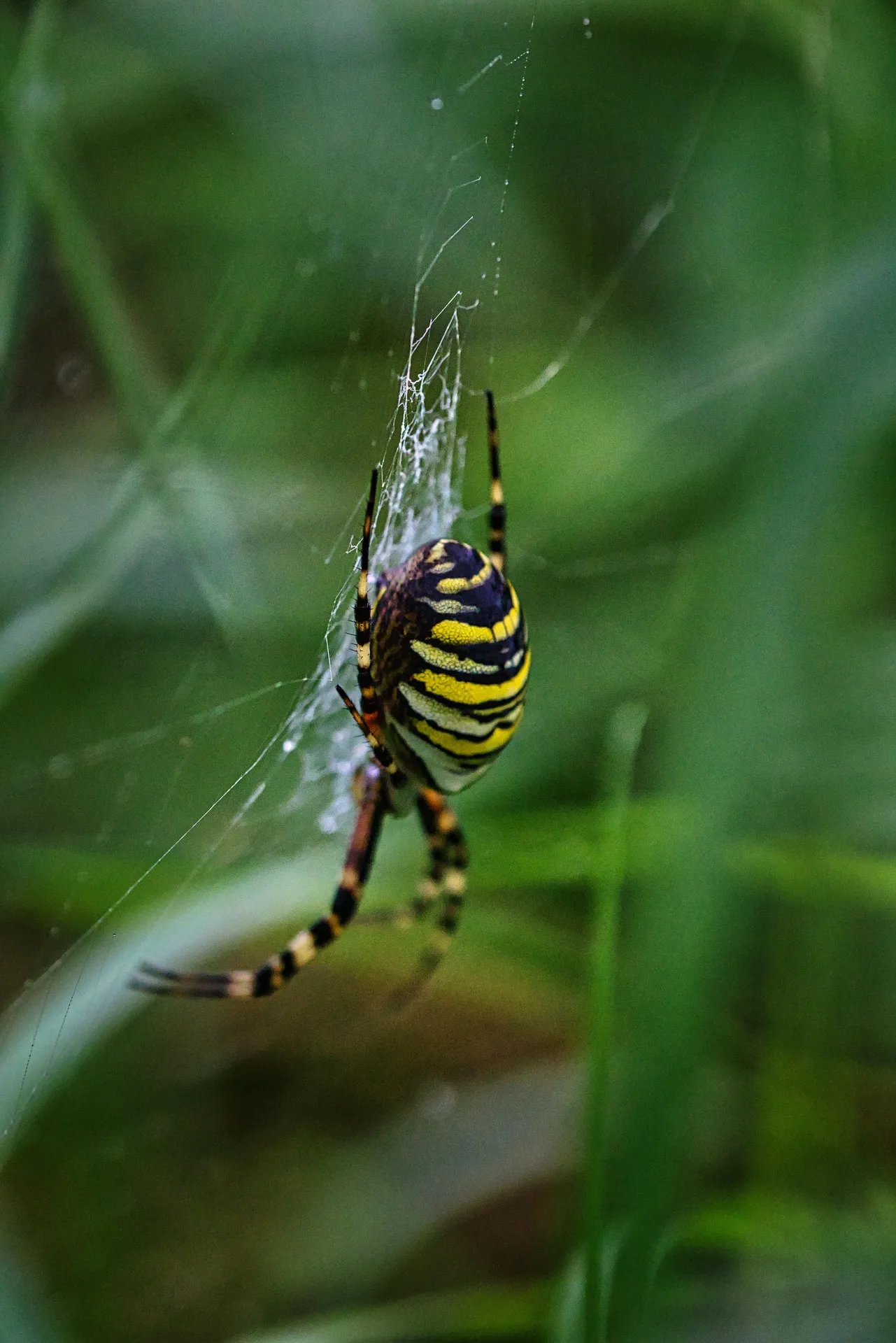
Orb weavers are usually found outside around shrubs, fences, porches, eaves, decks, and garden areas. They can be helpful in nature because they catch insects, but they become a problem when webs keep showing up around doors, walkways, outdoor chairs, or patio spaces.
Black widows are less common, but they are more serious because of their venom. They prefer protected, undisturbed spaces like sheds, garages, wood piles, crawl spaces, and cluttered storage areas. If you think you have found one, it is better not to handle the area on your own.
Brown recluse spiders are often feared, but they are considered uncommon to rare in much of Michigan. Still, any spider that looks unusual or keeps appearing in quiet indoor areas should be checked by a professional.
Webs that return quickly usually mean spiders are still active nearby
A spider issue often shows up in small, repeated ways. Maybe webs keep forming around the porch light. Maybe the garage corners look webby no matter how often they are cleaned. Maybe you keep seeing spiders in the basement, laundry area, bathroom, or near an exterior door.
Egg sacs are another sign to watch for because they can allow the problem to continue. You may also notice dead insects near webs, small dark marks on surfaces, shed spider skins, or webbing around exterior fixtures.
If a store-bought spray only seems to help for a few days, there is probably more going on than what you can see. The spiders may be hiding in cracks, behind stored items, under shelves, around the foundation, or in quiet areas that do not get disturbed often.
Spiders usually come inside because something is attracting them
Spiders come inside for a reason. They may be looking for food, warmth, moisture, shelter, or a quiet place to lay egg sacs. If there are insects nearby and a protected place to hide, they may settle in and stay.
In Eastpointe, spider activity often changes with the season. Spring and summer bring more insects outside, especially around porch lights, patios, landscaping, siding, and garage doors. When insects are active, spiders have more food nearby.
In the fall, spiders can become more noticeable inside as temperatures cool. Basements, garages, closets, crawl spaces, and storage rooms can become attractive because they are warmer, quieter, and protected from the weather.
Rain can also push spiders closer to the house. Moisture around mulch beds, foundation edges, basement entry points, and shaded side yards can make the area more inviting, especially when shrubs or clutter give them extra cover.
The best hiding places are usually the ones homeowners do not check often
Spiders like quiet places. Inside Eastpointe homes, they may hide in basements, crawl spaces, attics, closets, utility rooms, laundry areas, storage spaces, window corners, ceiling corners, and under furniture.
Outside, they may gather near garages, sheds, decks, porch ceilings, roof eaves, wood piles, siding gaps, foundation cracks, dense shrubs, mulch beds, fence lines, and garden borders. They may also show up around exterior lights because lights attract insects.
The more food and cover a space provides, the more likely spiders are to come back. That is why good spider control should look beyond the visible webs and focus on the conditions that are helping the activity continue.
Eastpointe spider activity often changes with the weather
Spring usually brings more insect activity around the yard, and spiders follow that food source. As bugs gather near lights, siding, landscaping, and garage openings, webs may begin showing up around porches, windows, eaves, and outdoor seating areas.
Summer can bring more activity outside because insects are easier to find and people are spending more time around patios, decks, yards, and garages. This is often when homeowners start noticing webs near doors, fences, shrubs, and shaded corners.
Fall is when spiders often become more noticeable indoors. As temperatures cool, they may move toward basements, garages, crawl spaces, closets, and storage rooms. It can feel sudden, but the activity may have been building around the exterior for weeks.
Winter does not always stop indoor spider activity. Spiders that are already inside may stay active in quiet areas, especially if there are insects available and enough shelter.
DIY sprays often miss why spiders keep coming back
Store-bought sprays may kill a spider on contact, but they usually do not solve the full problem. Egg sacs can remain. Entry points can stay open. Insects can keep attracting spiders. Webs can return in the same corners a few days later.
Professional spider control works better because it looks at the whole situation. A technician can identify where spiders are hiding, where they may be getting inside, where webs are rebuilding, and what conditions around the home are making the area attractive.
NexGreen’s approach focuses on reducing spider activity around the exterior before it becomes a bigger indoor issue. By treating the perimeter, pressure areas, and nearby pest activity, spider control becomes more preventive instead of just reactive.
A few small changes can help make your home less spider-friendly
Sealing small gaps around the foundation, windows, doors, and utility lines can help reduce the number of spiders getting inside. Damaged screens and worn weatherstripping should also be repaired when possible.
Inside the home, it helps to vacuum corners, remove webs when they appear, and reduce clutter in basements, closets, garages, and storage rooms. Spiders like spaces where they can hide without being disturbed, so keeping those areas more open can make a difference.
Outside, trim shrubs and vegetation away from the siding, move wood piles away from the house, reduce moisture around the foundation, and limit insect activity near exterior lights when possible. Since spiders follow insects, fewer insects around the home can also mean fewer spiders.
Treatments should feel practical for the people and pets who live there
NexGreen’s spider control service is designed with families and pets in mind. Treatments are applied to the areas where spider activity is building while also considering how your household uses the home, yard, patio, garage, and entry spaces.
Your technician can explain any instructions for treated areas, drying times, and when pets and family members can return to those spaces. For Eastpointe homeowners, that kind of communication helps make the service clear, simple, and easy to follow.
Local spider control for Eastpointe homes
NexGreen understands that spider problems often begin outside before they become obvious indoors. Webs around eaves, insects near lights, activity near garage doors, and pests gathering in shaded landscaping can all create the right conditions for spiders.
Homeowners choose NexGreen because the service is targeted and focused on prevention. The goal is not only to remove visible webs. It is to reduce spider activity, treat the pressure areas, and help keep the same issue from coming back.
With free quotes, exterior pest control experience, and service options for related pests such as fleas, ticks, mosquitoes, and other crawling insects, NexGreen can help Eastpointe homeowners protect the spaces around the home more completely.
Common questions about spider control in Eastpointe
If webs, egg sacs, or repeated spider sightings are making your home feel uncomfortable, NexGreen can help. Our spider control in Eastpointe, MI targets the exterior areas where spider problems often begin. Request your free quote today and take the next step toward a cleaner, calmer home.