Macomb County's Tick Problem Is Closer Than You Think
Clinton Township sits in Macomb County, where the Macomb County Health Department has been actively monitoring blacklegged tick populations since 2018 and confirmed positive results for the bacteria that causes Lyme disease in locally collected ticks in 2021, 2022, and 2023. For homeowners in a township with over 100,000 residents, wooded corridors along the Clinton River, and established residential lots with mature landscaping, tick pressure is not a distant concern. It is an active one that affects how safely families and pets use the yard.
NexGreen provides professional tick control in Clinton Township focused on the outdoor areas where ticks live, hide, and wait for a host – so your property becomes a safer, more comfortable place to spend time.
Get ready for summer with our limited time offer!
Enjoy your yard this summer by treating mosquitos early in the season. Schedule your service today!
Only $39.95 for your first service
Built Around Your Yard, Not a Generic Plan
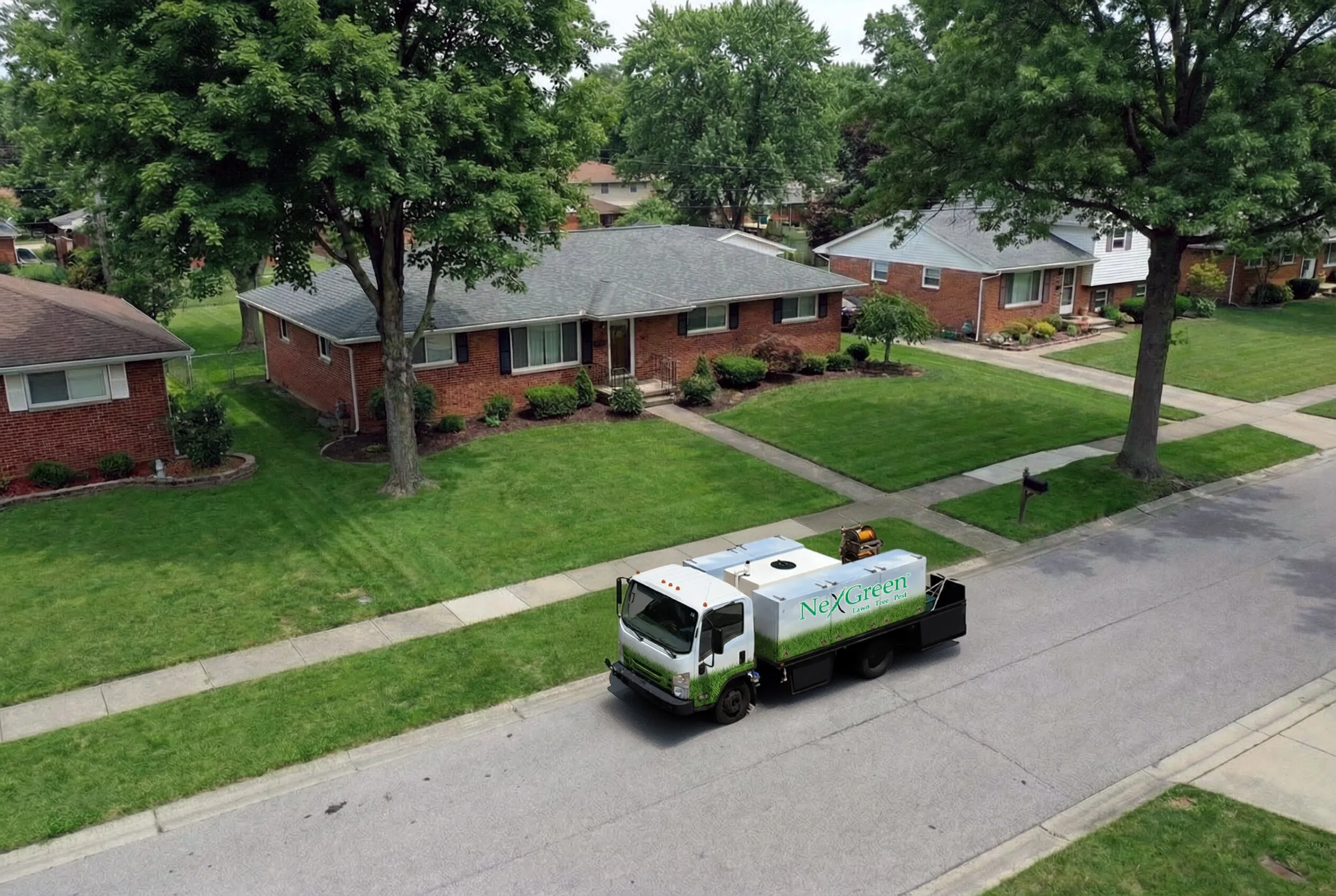
NexGreen’s tick control service is built around what actually drives tick activity on residential properties. The process starts with an assessment of your lawn and yard to identify the areas of highest pressure – shaded edges, landscape beds, fence lines, low spots that stay damp after rain, and the transition zones where maintained lawn meets overgrown vegetation or wooded borders. From there, targeted treatment is applied to the tick-prone areas identified, with a barrier established around the perimeter, lawn edges, and any outdoor zones where children play, pets run, and families spend time. Patios, decks, pools, play areas, fire pits, pet runs, and garden borders are all part of what NexGreen’s service is designed to protect. Recurring service options keep protection active through the full tick season rather than relying on a single application.
From First Look to Lasting Protection
The first step is a thorough look at the lawn and yard - identifying where tick activity is most likely based on shade, moisture, vegetation type, wildlife pressure, and how the property connects to surrounding green space or wooded edges.
Once the pressure zones are mapped, targeted treatment is applied to the areas ticks use to hide and wait. This is not a broadcast application across the entire lawn. It focuses on the specific zones where tick exposure is most likely - shaded edges, landscape beds, fence lines, and transition areas.
A protective barrier is established along lawn edges, the foundation perimeter, fence lines, shrubs and landscape beds, under decks, around sheds, near pet areas and play equipment, and around patios and outdoor seating areas. The goal is to create a treated boundary between the tick-prone zones and the spaces your family and pets actually use.
Ticks can return throughout the active season as new hosts bring them into the yard from neighboring properties and surrounding green spaces. Recurring service maintains the barrier and keeps activity from rebuilding between visits.
A Health Risk That Has Grown Steadily in This County
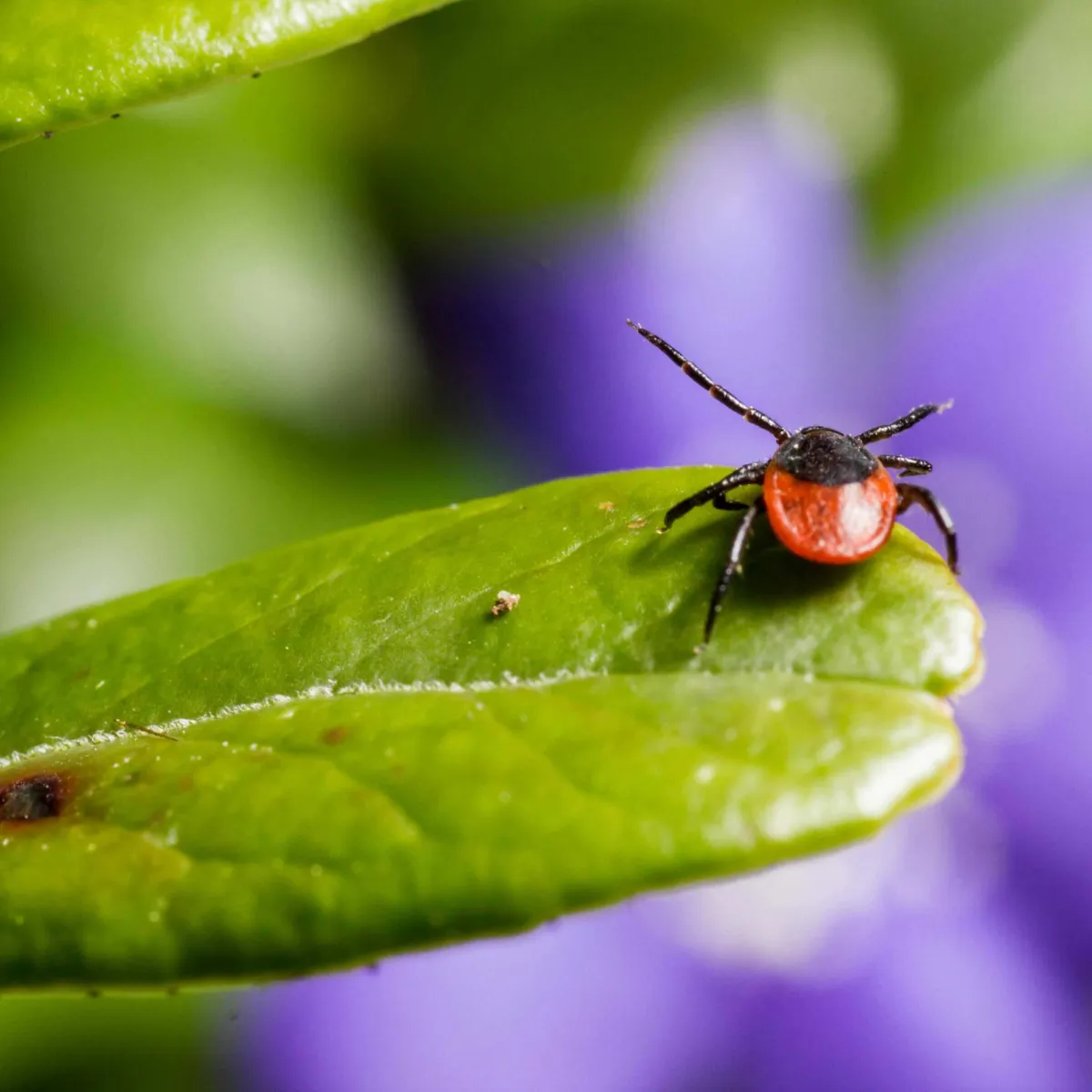
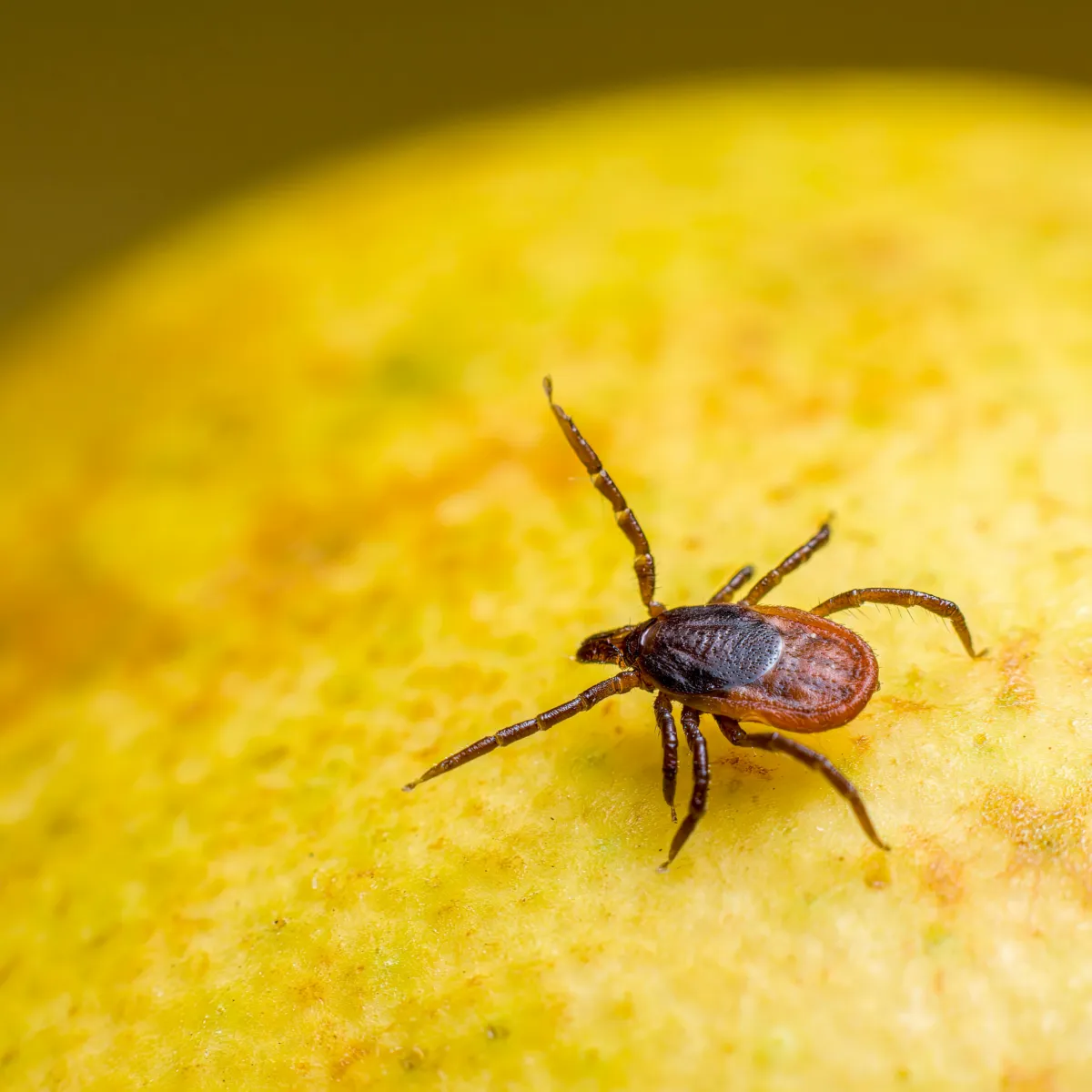
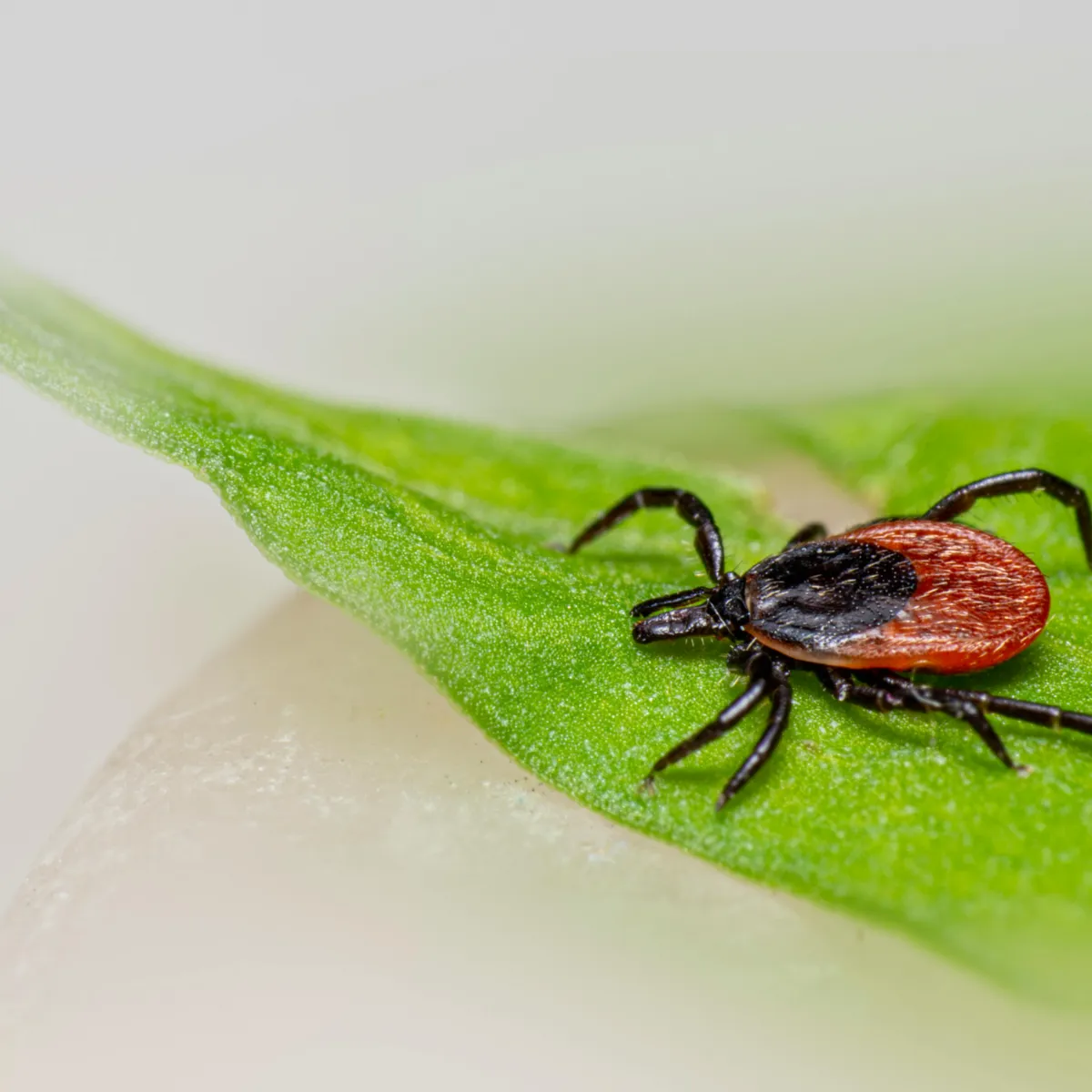
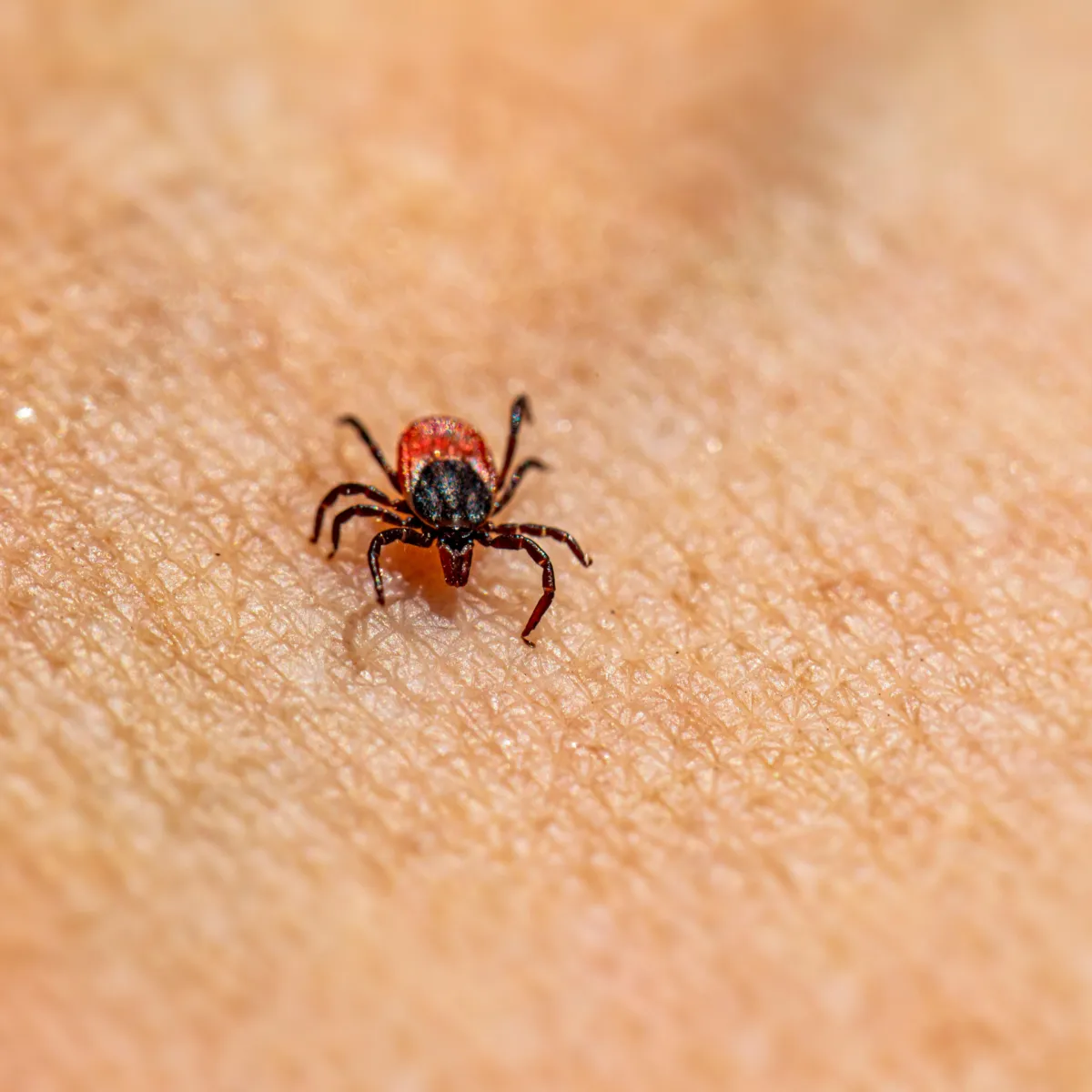
Ticks are not always easy to notice before they bite. Blacklegged tick nymphs – the stage most responsible for transmitting Lyme disease – are roughly the size of a poppy seed and can attach and feed without any sensation. By the time a bite is discovered, transmission may already have occurred.
In Clinton Township, the risk is well documented. Macomb County has recorded a steady increase in Lyme disease cases over the past decade, climbing from three confirmed cases in 2016 to fifteen in 2023. Health officials have emphasized that blacklegged tick populations are now established in Macomb County – not just passing through – which changes the risk calculation for homeowners. When ticks are established in the local environment, they are not only found on hiking trails or in state parks. They can be present in your backyard.
The township’s geography contributes directly to that pressure. The Clinton River runs through the area and feeds into a network of shaded, moisture-retaining corridors that support the vegetation and wildlife ticks depend on. Properties along River Bends Park and similar green spaces are particularly exposed, but ticks do not stay on the edge of the park. Deer, small rodents, and other wildlife that ticks use as hosts move freely through established neighborhoods, carrying ticks into maintained yards along the way. Clinton Township’s tick season runs from April through September, with peak activity in spring and early summer when nymphs are most active and most difficult to spot.
They Are Not Waiting in the Obvious Places
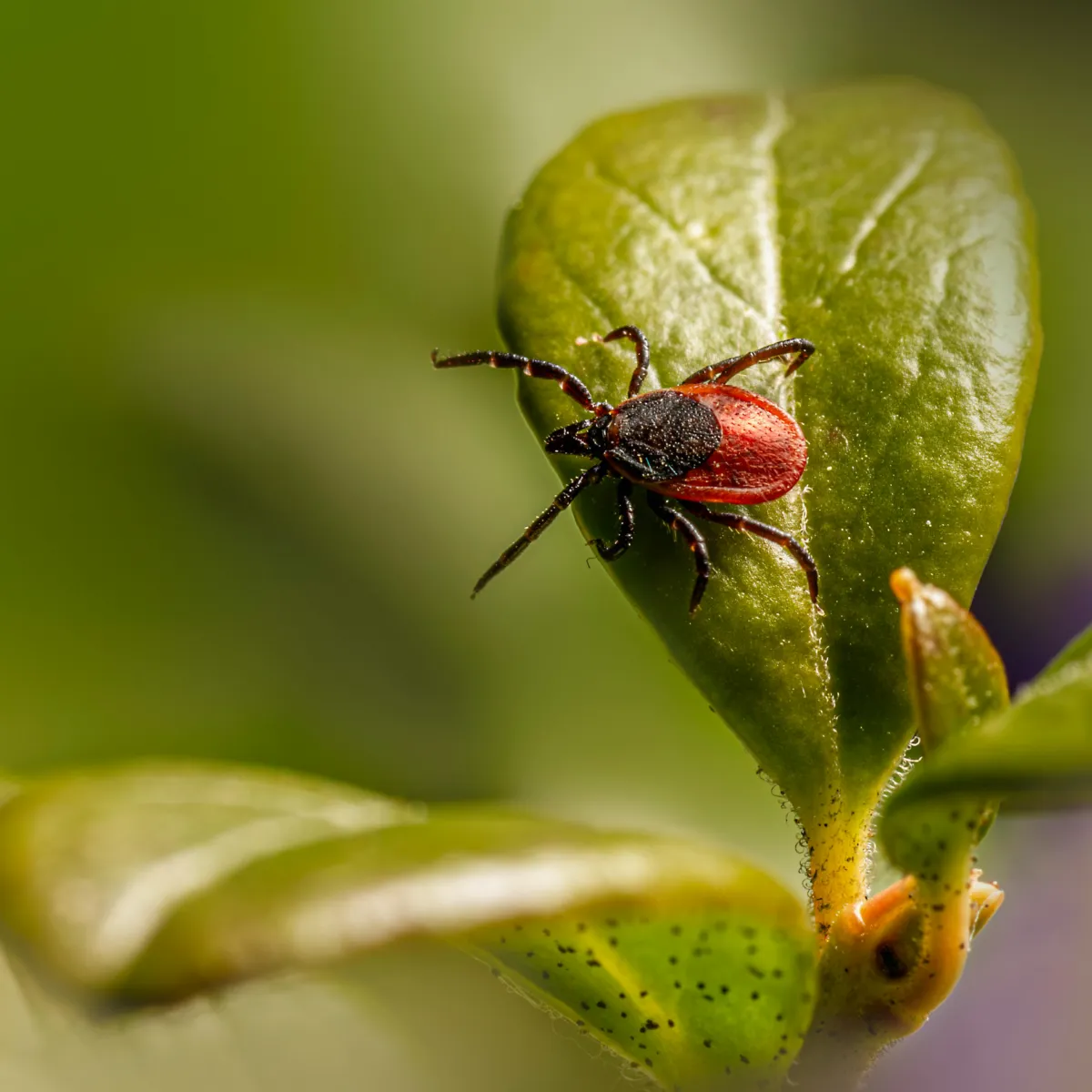
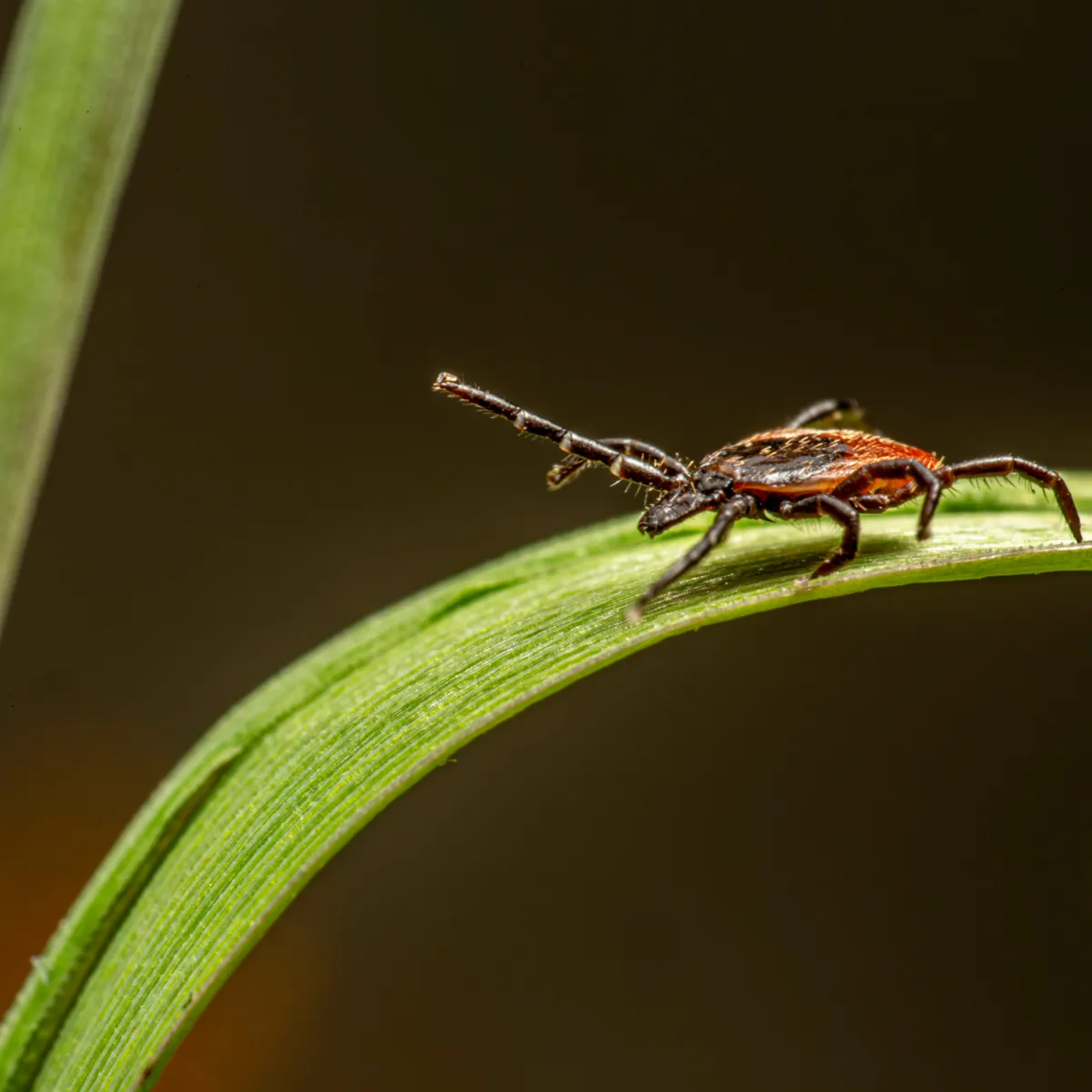
Ticks do not move far on their own. They position themselves in specific zones and wait for a host to brush past. In Clinton Township yards, the most reliable hiding spots include tall grass and unmowed lawn edges, leaf piles and wood piles stacked along fences or near the house, landscape beds with dense ground cover or thick mulch, shaded areas under decks and around sheds, fence lines that border neighboring vegetation, the transition zone between maintained lawn and wooded or overgrown areas, and any part of the yard where deer, rabbits, or small rodents move through regularly. Pet play areas and children’s play equipment near vegetation or shaded ground are also common exposure points that homeowners underestimate. Damp, shaded areas hold tick activity longer after rain because the moisture keeps the environment hospitable.
Protecting the People and Animals Who Use Your Yard Most
Dogs and cats that spend time in the yard can carry ticks back to the home without anyone realizing it. Children playing in grass near landscape beds or wooded edges are regularly in the zone where ticks wait for a host. The combination of pets outdoors and children at ground level makes residential yards in Clinton Township a meaningful exposure point for the whole household.
Professional yard treatment helps reduce that exposure by lowering tick populations in the areas people and pets use most. Patios, decks, pools, play areas, fire pits, pet runs, lawns, gardens, and outdoor dining areas are all spaces where fewer ticks means a more comfortable and safer yard. Reducing tick pressure does not eliminate every possible exposure, but it meaningfully lowers the risk for families who want to use their outdoor space without constant concern.
Spring Through Fall in Macomb County
Michigan’s tick season in Macomb County follows a reliable arc that Clinton Township homeowners can plan around. Spring is when tick activity resumes in earnest – snowmelt and rain create the moist soil conditions that ticks need, and nymph-stage blacklegged ticks emerge as the most active and hardest-to-detect life stage. Starting service early in spring, before outdoor activity picks up, helps prevent tick populations from building around the yard before the season gets going.
Summer brings the highest overall activity period. Lawns get used more heavily, pets spend more time outside, and ticks are at peak questing behavior in shaded edges and vegetation. Maintaining barrier treatments through the summer months is the most critical part of the protection window for Clinton Township families.
Fall is often underestimated. Adult blacklegged ticks remain active well into October in Macomb County, and cooler temperatures do not immediately end the season. Rain and wet conditions in early fall keep tick-friendly moisture in the yard longer than most homeowners expect. Continuing service through fall ensures that the outdoor areas families use during pleasant fall weather – fire pits, patios, weekend yard time – stay protected through the close of the active season.
Local Knowledge Backed by Proven Results
NexGreen brings locally trained technicians familiar with Macomb County tick pressure, licensed and insured service registered with the Department of Agriculture, and a reduced-chemical approach that is safer for children and pets while still breaking tick activity in the yard effectively. The service is built around pet-conscious and family-conscious treatment, with recurring options that keep protection active rather than asking homeowners to time a single visit perfectly. There are no long-term contracts, pricing is transparent, and if you are not satisfied with the results, NexGreen stands behind the service with a money-back guarantee. With a 4.9/5 rating across more than 1,925 reviews, the track record reflects what happens when a service is designed around what actually drives results for residential properties.
What You Can Do Between NexGreen Visits?
Keeping grass mowed and lawn edges trimmed reduces the habitat ticks prefer along yard borders. Removing leaf piles, wood piles, and accumulated yard debris eliminates the sheltered ground cover that ticks use between hosts. Trimming back shrubs and lower tree branches near the house reduces the shaded zones close to the structure where ticks concentrate. Creating a gravel or mulch barrier between lawn and wooded or overgrown areas gives ticks a less hospitable zone to cross. Keeping pet bedding and play areas away from vegetation and checking pets after outdoor time limits how often ticks are brought closer to the home. Moving bird feeders away from high-traffic lawn areas reduces the small rodent activity that supports tick populations near the structure. Asking NexGreen about recurring treatments ensures protection stays active rather than requiring a reactive call after ticks are already showing up.
A Practical Starting Point for New or Light Pressure
A single targeted treatment can reduce tick pressure around Clinton Township properties facing a specific seasonal situation – a new home, an outdoor event, or a yard that has not been treated before. One-time service addresses current activity and establishes a treated barrier, making it a practical starting point for homeowners who want to assess how the property responds before committing to a recurring schedule.
The Right Approach for Properties Near the Clinton River Corridor
Recurring service is the more effective approach for Clinton Township properties dealing with consistent tick pressure across the season. Because ticks can return through wildlife movement and neighboring vegetation throughout the April-to-October window, a single treatment rarely holds for the full season. Regular visits maintain the protective barrier, address any new pressure zones that develop, and keep activity from rebuilding in the areas families use most. For properties near the Clinton River corridor, established wooded borders, or heavy deer and wildlife activity, recurring service is the standard recommendation.
Clinton Township and the Communities Around It
NexGreen serves Clinton Township and surrounding Macomb County communities, including Sterling Heights, Roseville, St. Clair Shores, Utica, and Chesterfield Township. If you are located in the area and dealing with tick pressure in your yard, request a quote and we will build a plan around your property.
What Clinton Township Homeowners Ask Before Getting Started
If ticks are a concern in your yard, NexGreen will assess the property, identify the pressure zones, and build a treatment plan that fits your outdoor space. Request a quote online and take the first step toward a yard that feels safer for the people and pets who use it.