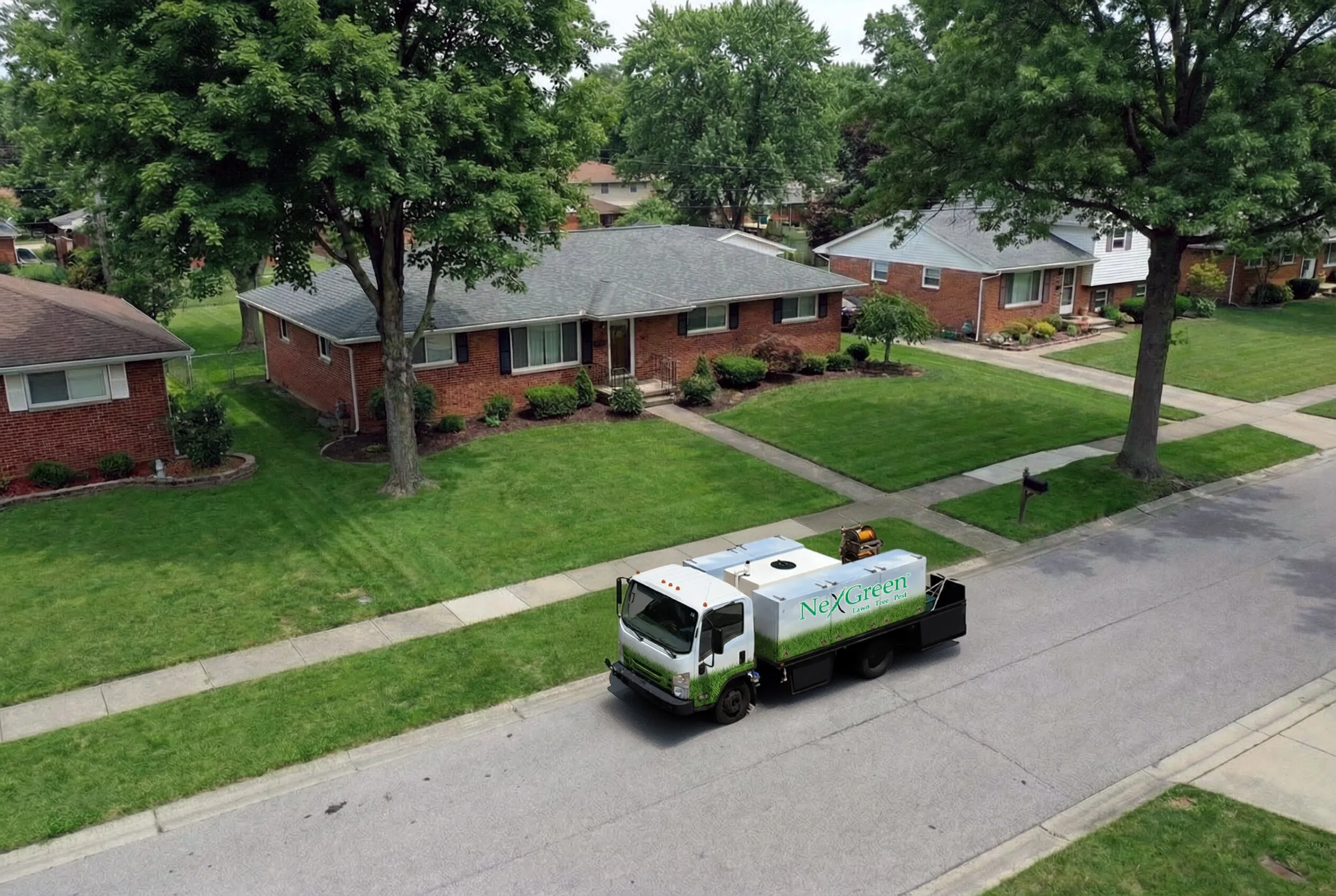
Clinton Township lawn care for stronger turf
A lawn in Clinton Township can look healthy one month and stressed the next. Spring brings fresh growth, but summer heat, foot traffic, weeds, compacted soil, and lawn insects can quickly change how the yard looks and feels.
NexGreen helps local homeowners care for their lawns with a more complete approach. Their lawn care services include fertilization, weed control, surface insect control, grub control, and liquid soil aeration. NexGreen also uses bio-nutrients and highlights lawn care that is safer for children, pets, and the environment.

Better lawn care starts below the surface
Not every lawn problem starts with something obvious. Sometimes the grass just feels thin. Sometimes weeds show up near the driveway. Sometimes the lawn looks dry even after it rains. For Clinton Township homeowners, these issues often come from a mix of seasonal stress, compacted soil, weeds, insects, and weak root growth.
NexGreen’s lawn care services are built to support the full lawn, not just treat what is visible for a few weeks. The goal is thicker turf, stronger roots, fewer weeds, and a yard that feels easier to enjoy through the season.
Grass needs steady nutrition to stay thick and green. Without the right nutrients, even a lawn that gets watered and mowed can start to fade, thin out, or open space for weeds.
NexGreen’s fertilization service helps thicken grass and establish stronger roots. For Clinton Township lawns, that kind of support matters after winter dormancy, during spring green-up, and later in the year when summer heat starts wearing on the turf.
A well-fed lawn usually looks more even, too. Instead of one section growing well while another stays pale or patchy, fertilization helps the whole yard move in a healthier direction.
Weeds are often the first thing homeowners notice. A few dandelions near the sidewalk. Clover spreading through thin grass. Crabgrass pushing into sunny spots where the turf is weak.
NexGreen’s weed control program is designed to help keep weeds from starting and control them when they appear. That is important in Clinton Township because weeds tend to take advantage of stressed areas, compacted soil, and open patches where the lawn is not thick enough to compete.
The best weed control plan does more than treat the weeds you see. It also helps the grass become stronger, so there is less room for weeds to keep coming back.
Some lawns struggle because the soil is packed too tightly. When that happens, water, oxygen, and nutrients have a harder time moving down to the roots. The lawn may still receive care, but it may not respond the way it should.
NexGreen offers liquid soil aeration to help loosen compacted soil. Their liquid aeration service provides bio-nutrients and helps moisture and nutrients move more effectively into the soil, supporting a healthier lawn without traditional mechanical core aeration.
This is especially helpful for Clinton Township lawns that feel hard underfoot, dry out unevenly, or have thin areas that never seem to fully recover.
Grub damage can be frustrating because it often starts underground. The lawn may look fine for a while, then suddenly develop brown patches, weak turf, or sections that lift away from the soil.
NexGreen’s grub control service helps protect the lawn from grubs, which feed on grass roots and can cause sections of turf to die. For Clinton Township lawns, root protection is especially important because a stressed root system makes it harder for the grass to stay thick and recover from seasonal pressure.
Surface insects can also weaken a lawn during the growing season. When pests feed on the grass, the lawn may start to thin, brown, or look uneven, especially if it is already dealing with heat, weeds, or compacted soil.
NexGreen’s surface insect control helps reduce pests that can damage the lawn. Paired with fertilization, weed control, grub control, and liquid aeration, it gives the yard a stronger base of protection.
The process stays clear from day one
Start by requesting a quote for your Clinton Township lawn. You can share what you are noticing, whether it is weeds, thin grass, compacted soil, brown patches, or general lawn decline.
NexGreen’s local experts assess the landscape and recommend lawn care, pest control, or tree and shrub care solutions based on the property’s needs.
Not every lawn needs the same services. Some yards may need fertilization and weed control. Others may benefit from liquid aeration, grub control, surface insect control, or a combination of services.
NexGreen schedules applications throughout the year, and their site notes that homeowners do not need to be home during service.
Over time, consistent care helps the grass grow thicker, weeds become easier to manage, and the lawn can build stronger roots. The goal is simple: a yard that looks better and feels easier to enjoy.
Cool-season grass fits local lawns best
Clinton Township is a cool-season lawn area. That means the best grass types are usually the ones that grow well in spring and fall, tolerate Michigan winters, and recover with the right care after summer stress.
Kentucky bluegrass is a common choice for Michigan lawns because it can create a dense, attractive look when maintained properly. It performs especially well during cooler growing periods and responds well to fertilization and consistent care.
Tall fescue is a good fit for lawns that get more everyday use. It can handle foot traffic better than some finer grasses, which makes it helpful for backyards, side yards, pet areas, and parts of the lawn where people walk often.
Perennial ryegrass is known for quick growth and a clean appearance. It can help improve lawn density and is often useful when thinner sections need a faster visual boost.
Fine fescue can work well in areas that do not receive full sun all day. It is especially useful near trees, fences, shaded corners, and side yards where other grasses may struggle.
Every season changes what your lawn needs
Spring is when Clinton Township lawns start waking up after snow, freezing temperatures, and winter dormancy. Some areas may green up quickly, while others may look matted, thin, or slow to recover.
This is a good time to look for early weeds, compacted soil, bare spots, and lawn areas that did not bounce back well after winter. Fertilization and weed control can help the lawn start the season with better color, stronger growth, and less weed pressure.
Summer can be tough on local lawns. Warm temperatures, humidity, dry stretches, mowing, pets, kids, and backyard use can all wear the grass down.
Most lawns do better with deep, less frequent watering instead of quick daily watering. NexGreen recommends watering deeply and infrequently, ideally giving the lawn about 1 to 1.5 inches of water per week, and watering in the early morning to reduce evaporation.
If the lawn still looks tired after watering, compacted soil may be part of the issue. Liquid aeration can help improve how water and nutrients move below the surface.
Fall is one of the most important seasons for Clinton Township lawn recovery. Cooler temperatures give the grass a chance to rebuild after summer heat, weeds, insects, and foot traffic.
This is a strong time to focus on fertilization, weed control, and liquid aeration. NexGreen notes that cool-season grasses typically benefit from feeding during spring and fall, which makes fall care especially valuable before winter dormancy.
During winter, the lawn is mostly dormant, but it can still be stressed. Repeated foot traffic over frozen grass, heavy snow piles, and objects left on the lawn can all affect how the turf comes back in spring.
Try to keep heavy items off the grass and avoid walking the same path across frozen turf all season. A lawn that goes into winter healthier usually has a better chance of greening up evenly when temperatures rise again.
Lawn problems often start small. A few weeds along the curb. A patch that feels soft. A section of grass that turns brown before the rest of the yard. These early signs are easy to brush off, but they can spread when the lawn is already stressed.
Grubs are one of the main lawn pests to watch for because they feed on grass roots. NexGreen notes that lawn grubs are larvae of Japanese beetles, June beetles, and others, and that they can cause sections of grass to die.
Surface insects can also damage turf during the growing season. When insect pressure combines with heat, compacted soil, or thin grass, the lawn may decline faster than expected.
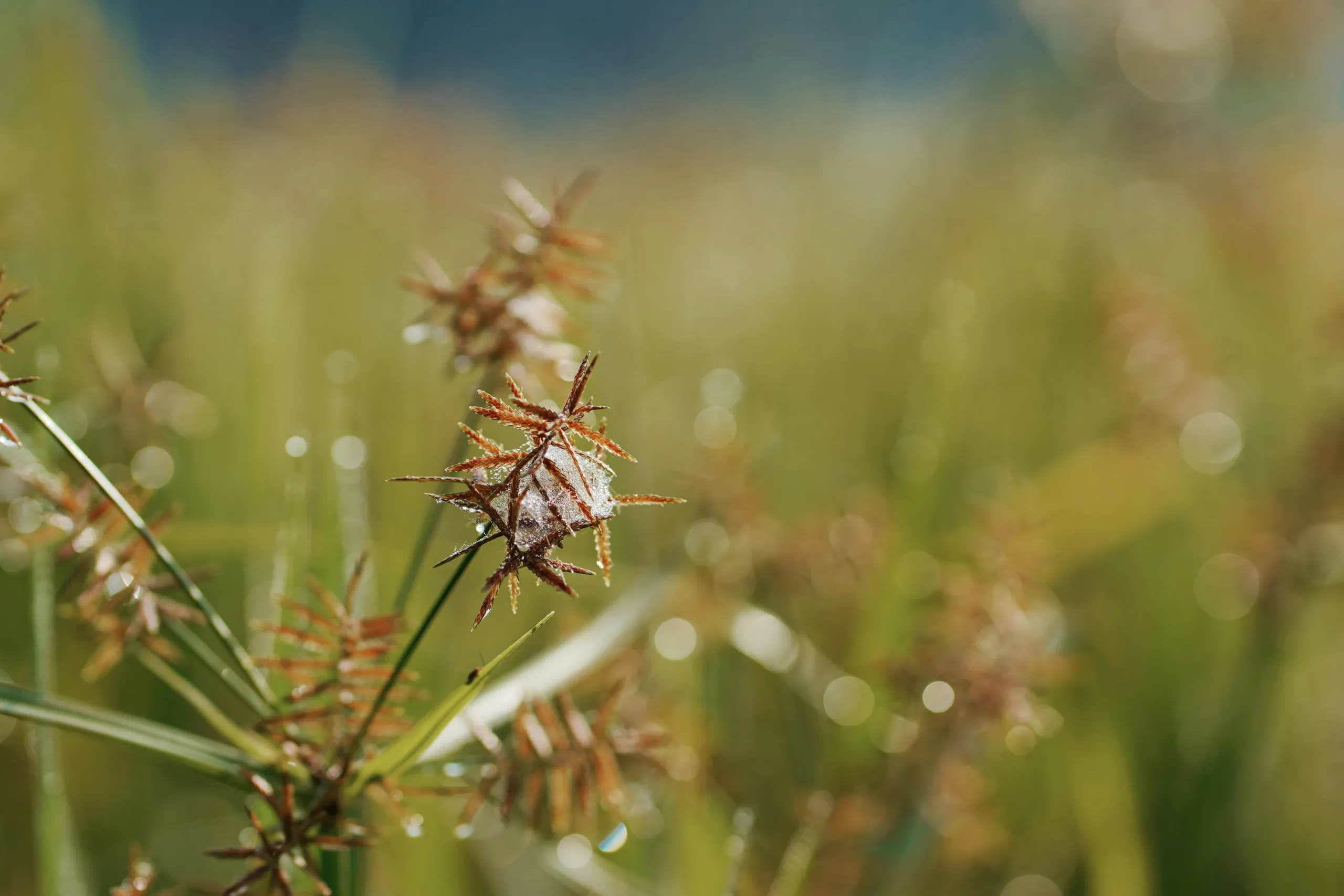
Common lawn weeds in Clinton Township may include crabgrass, dandelion, clover, nutsedge, and broadleaf weeds. These weeds usually move into areas where the grass is thin, open, or stressed.
Weed control helps manage visible weeds, but stronger turf is what helps reduce future pressure. That is why fertilization, liquid aeration, and consistent seasonal care all work together.
Local facts shape local lawn care
USDA Plant Hardiness Zone: Clinton Township is listed as USDA Hardiness Zone 6a.
Average Annual Rainfall: The 48038 Clinton Township ZIP code receives about 33.1 inches of annual rainfall.
Average Summer High: July highs in Clinton Township average around 82°F to 84°F, depending on the climate source.
Average Winter Low: January lows commonly fall around 18°F to 21°F in the Clinton Township area.
Average Sunny Days Per Year: Clinton Township has a mix of sunny and cloudy days through the year, with summer bringing the strongest sunshine and winter bringing shorter, cloudier days. Nearby climate data shows July as one of the sunniest months and December as one of the lowest sunshine months.
Soil Type: Macomb-area soils include Macomb loam, and the USDA describes the Macomb soil series as very deep and somewhat poorly drained. The same soil profile notes fine-loamy soil characteristics, which helps explain why local lawns may deal with moisture retention, slow drainage, or compaction in some areas.
Recommended Watering Time: Early morning is best. NexGreen recommends watering in the early morning when the air is cooler and evaporation is lower.
NexGreen keeps lawn care simple and local
A good lawn care company should understand that every yard has its own story. One Clinton Township lawn may be dealing with weeds. Another may have compacted soil. Another may look thin because insects or grubs are weakening the turf.
NexGreen looks at lawn care from more than one angle. Fertilization helps feed the grass. Weed control helps clean up the lawn. Liquid aeration helps loosen compacted soil. Grub and surface insect control help protect the turf from pests that can cause visible damage.
NexGreen also emphasizes responsible lawn care. Their site notes that they are registered with the Department of Agriculture and use bio-nutrients that are safer for children, pets, and the environment. They also state that if customers are not fully happy, NexGreen will come back and make it right for free.
For Clinton Township homeowners, that means lawn care can feel practical, clear, and focused on long-term improvement instead of quick surface-level fixes.
Clear answers for local lawn care
If your lawn has been looking thin, weedy, patchy, or harder to maintain than usual, it may be time for a more complete lawn care plan. NexGreen helps Clinton Township homeowners improve their lawns with fertilization, weed control, liquid aeration, grub control, surface insect control, and seasonal support. Request your quote today and get a lawn care plan built around what your yard actually needs.