Termite control for hidden risks
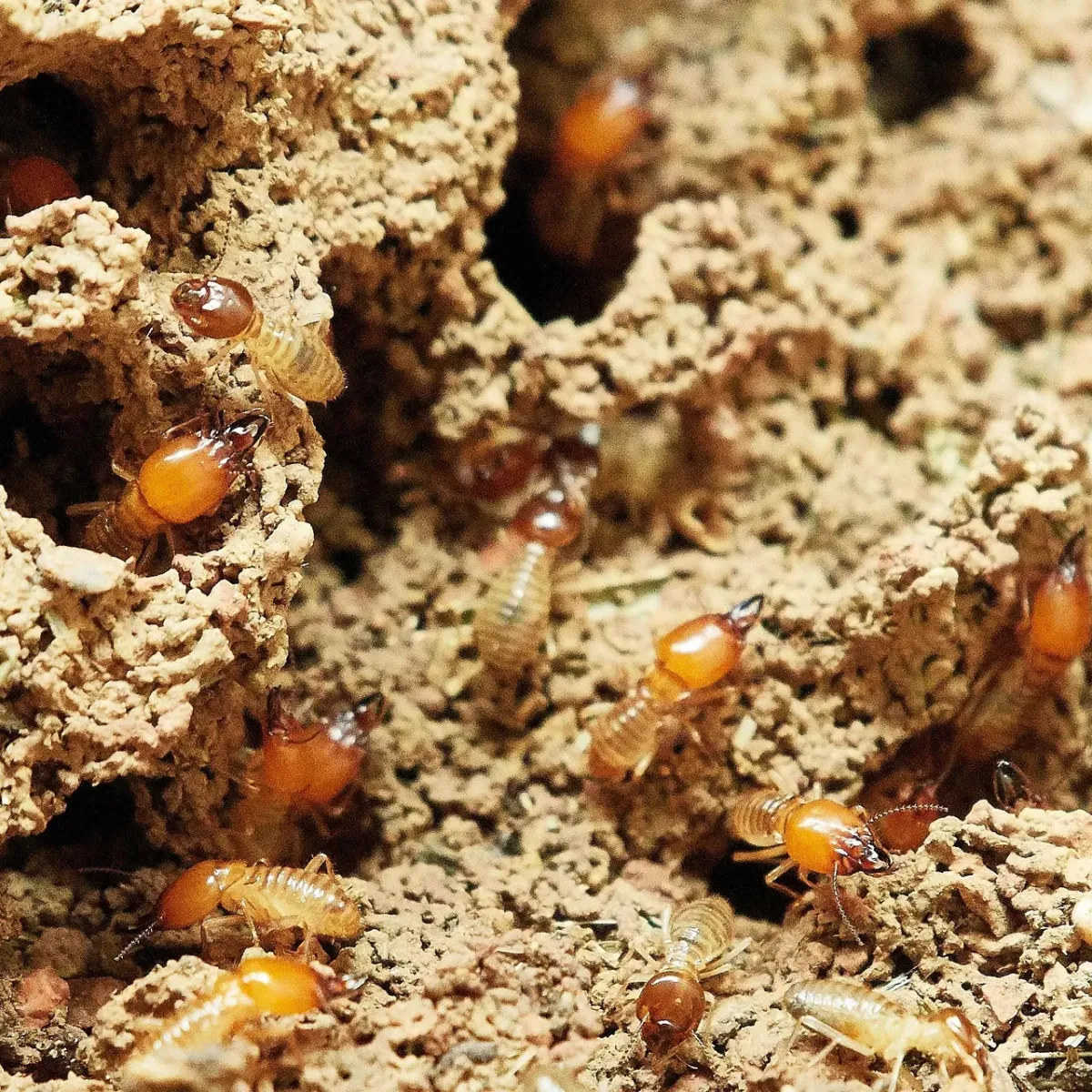
Termites can create a lot of worry because a home may look normal while activity is happening quietly. Unlike pests that crawl across the kitchen floor or gather near lights, termites often stay hidden. They can move through soil, foundation edges, wood structures, and moisture-prone areas without drawing attention right away.
Michigan State University Extension identifies eastern subterranean termites as the most serious wood-destroying pest in Michigan and notes that they are more common than many homeowners realize.
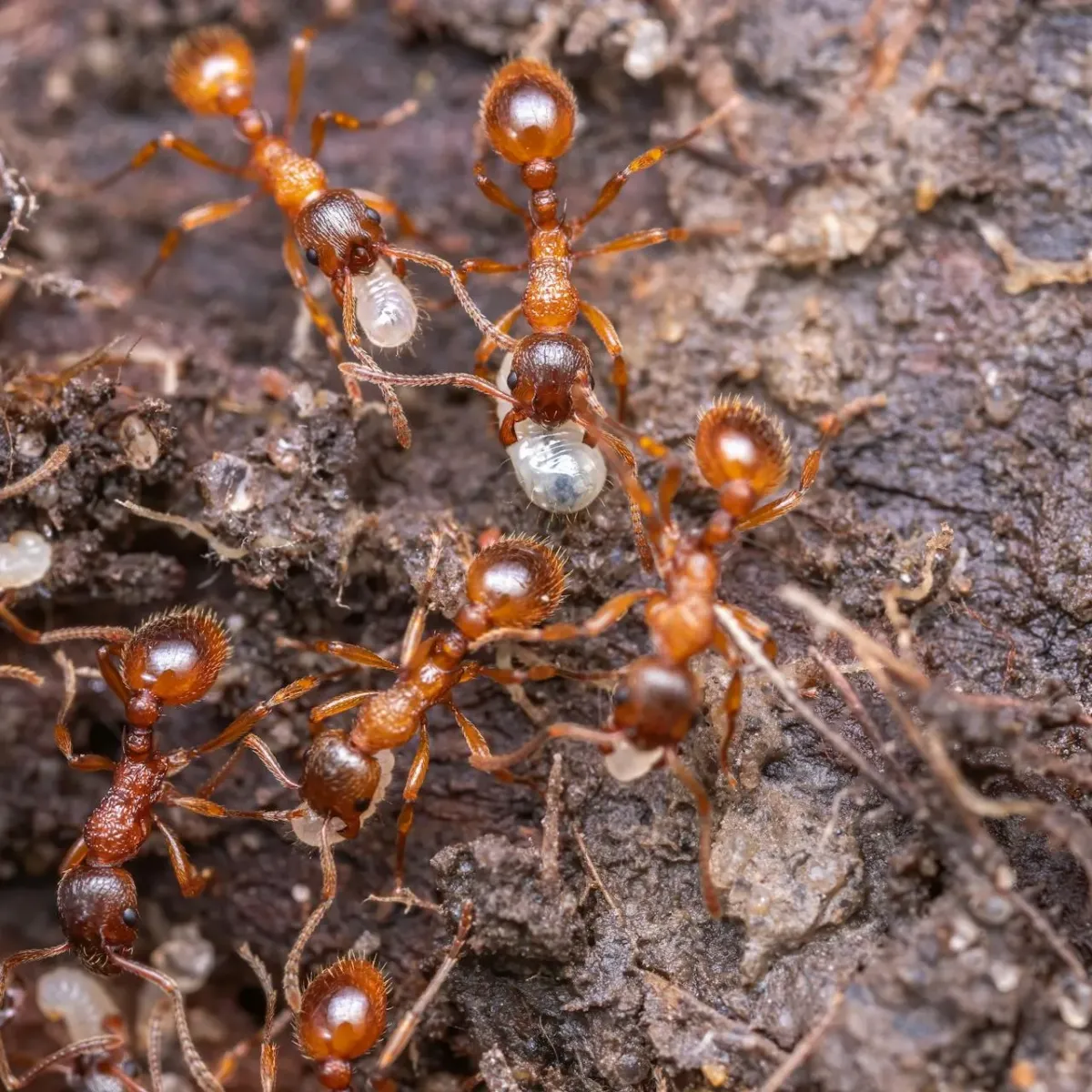
Get ready for summer with our limited time offer!
Enjoy your yard this summer by treating mosquitos early in the season. Schedule your service today!
Only $39.95 for your first service
Small clues deserve attention
The first sign of termite activity may be small. A mud tube near the foundation. A piece of trim that feels soft. Hollow-sounding wood. Bubbling paint. Tight doors or windows. Discarded wings near a sill. Any one of these signs may seem minor, but they can point to activity that is already happening behind the surface.
In Troy homes, termite risk is worth watching around basements, attached garages, porch details, foundation landscaping, mulch beds, finished lower levels, and exterior wood close to soil or moisture.
MSU Extension notes that termites prefer wood with high moisture content, and severe termite damage is often concentrated where excessive moisture persists. That makes moisture control and early inspection especially important.
Termite protection needs a plan
The process starts by checking areas where termites are most likely to move. This may include foundation edges, basement walls, moisture-prone spaces, damaged wood, mud tubes, utility penetrations, porch details, and wood-to-soil contact.
A careful inspection helps determine whether the concern appears active, old, isolated, or connected to a larger issue.
After the inspection, the technician explains what was found and where the risk appears strongest. This step matters because homeowners should understand whether they are looking at termite activity, water damage, old pest damage, or a condition that may attract termites later.
Termite treatment should match the home. Subterranean termites live in soil and often reach structures through hidden routes, so treatment needs to account for moisture, access points, foundation conditions, and where activity is found.
Depending on the property, follow-up support may include monitoring, moisture reduction, moving wood away from the home, adjusting mulch placement, or watching for early warning signs.
Local inspections bring clarity
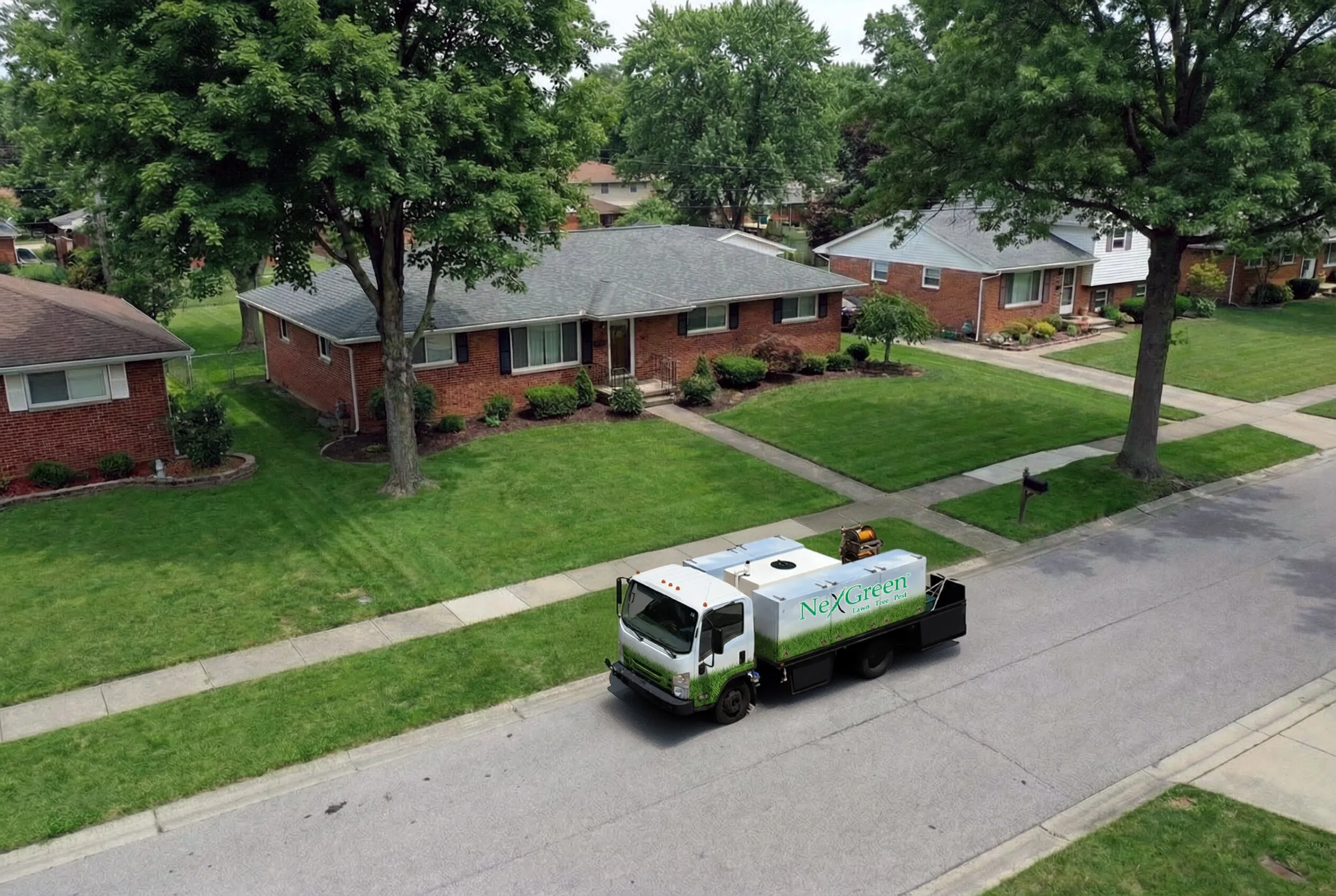
A termite concern can make any homeowner uneasy because so much of the damage can be hidden. NexGreen already serves Troy with lawn, tree, and pest services, helping homeowners care for outdoor spaces and protect the comfort of home.
A clear inspection helps remove guesswork. Once the concern is understood, the next step becomes easier to plan.
Termite warning signs to watch
Mud tubes near the foundation, basement walls, or crawl spaces can signal subterranean termite movement.
Wood that sounds hollow when tapped may indicate internal feeding damage.
Soft baseboards, trim, or flooring can point to moisture, decay, or pest activity.
Wing piles near windows, doors, or light sources may appear after termite swarmers emerge.
Moisture and hidden damage can sometimes cause surface changes that look like ordinary wear.
Termite answers for Troy homes
If something around your home looks suspicious, it is better to check early than wait for more obvious damage. NexGreen can inspect your Troy property, explain what is happening, and help you choose a termite control plan that protects your home before the problem has more time to spread.