Termite control for hidden wood risks
Termites can be stressful because the home may look normal while activity is happening quietly. In Sylvan Lake, moisture-prone edges, basements, porches, decks, garages, shaded foundation areas, and exterior wood details can all deserve a closer look when warning signs appear.
Michigan State University Extension identifies eastern subterranean termites as the most serious wood-destroying pest in Michigan and notes that they are more common than many people realize.
Get ready for summer with our limited time offer!
Enjoy your yard this summer by treating mosquitos early in the season. Schedule your service today!
Only $39.95 for your first service
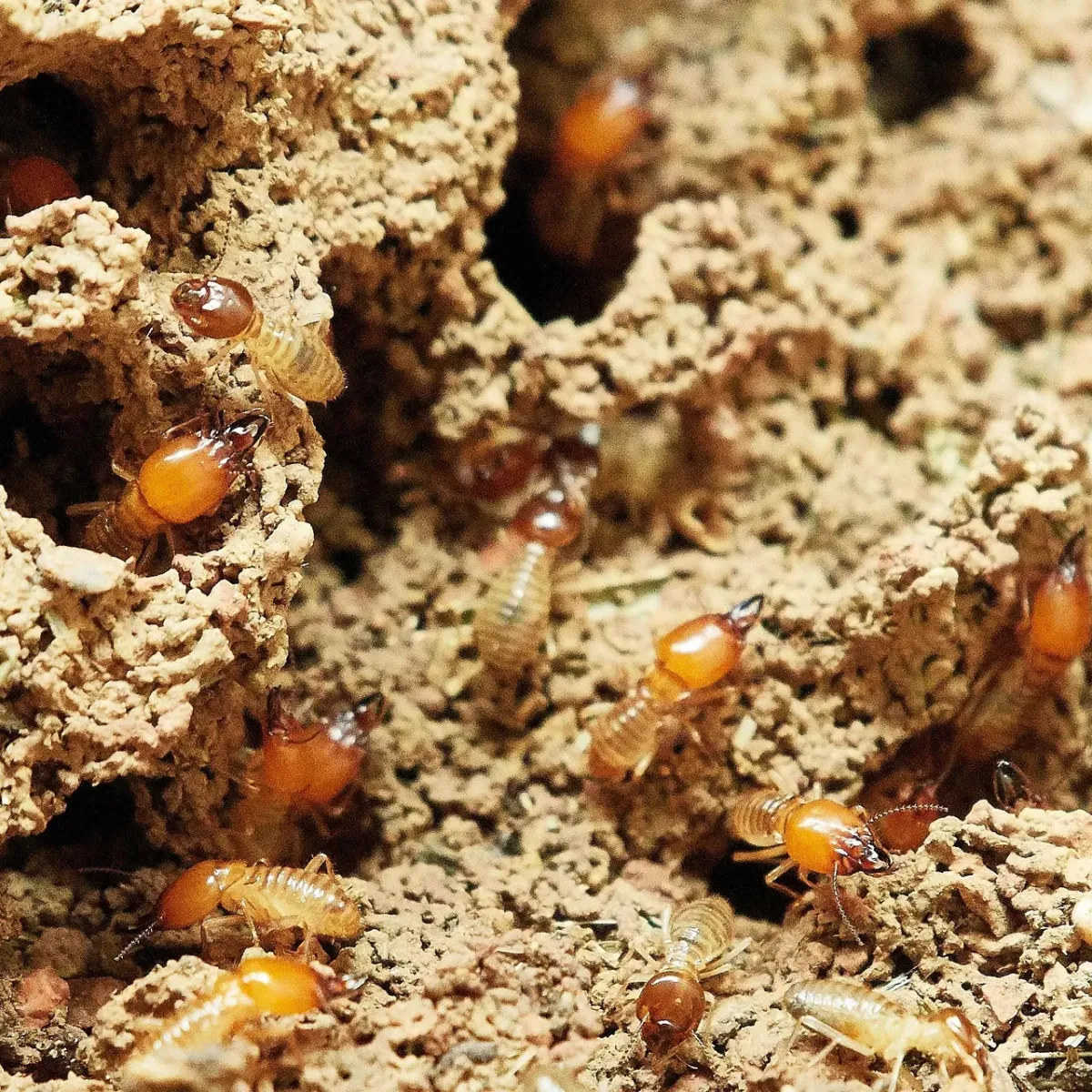
Termites stay hidden by design
Subterranean termites do not usually move through open living spaces. They build nests in moist soil and return to soil to replenish body moisture. MSU Extension explains that termites can enter wood that is not in direct contact with soil by building shelter tubes over or through concrete foundations. Their damage may also remain undetected for years.
That matters for Sylvan Lake homeowners because moisture, shade, wood-to-soil contact, mulch placement, and protected foundation edges can all make certain areas worth inspecting. MSU Extension also notes that termites prefer high-moisture wood and that severe damage is often concentrated where excess moisture persists.
Inspection should follow moisture
A termite inspection should focus on foundation edges, basement walls, sill plates, rim joists, garage connections, porch details, deck-adjacent wood, damp wood, utility openings, and wood-to-soil contact.
The technician should look at drainage, mulch placement, stored wood, lake-use storage, shaded side yards, porch steps, garage edges, and places where moisture may linger near wood.
Soft wood, bubbling paint, trim changes, staining, and tight doors can come from more than one cause. Clear findings help homeowners understand whether the signs may be termite-related, moisture-related, old damage, or another concern.
Subterranean termite treatment should be based on the property, warning signs, moisture conditions, and likely access routes. The goal is to address activity while reducing the conditions that may support it.
Follow-up recommendations may include improving drainage, pulling mulch back, storing wood away from the home, reducing moisture, keeping foundation areas visible, and watching for new warning signs.
Warning signs need context
Mud tubes near foundation walls, basement edges, garage areas, porch areas, or crawl spaces can signal subterranean termite movement.
Wood that feels soft or sounds hollow may indicate internal damage or moisture-related weakness.
Wing piles near windows, doors, or lights can appear after termite swarmers emerge.
Paint or surface changes can sometimes point to moisture or hidden damage underneath.
Subtle changes in doors, trim, or flooring may be worth checking when they appear with other warning signs.
Warning signs need context
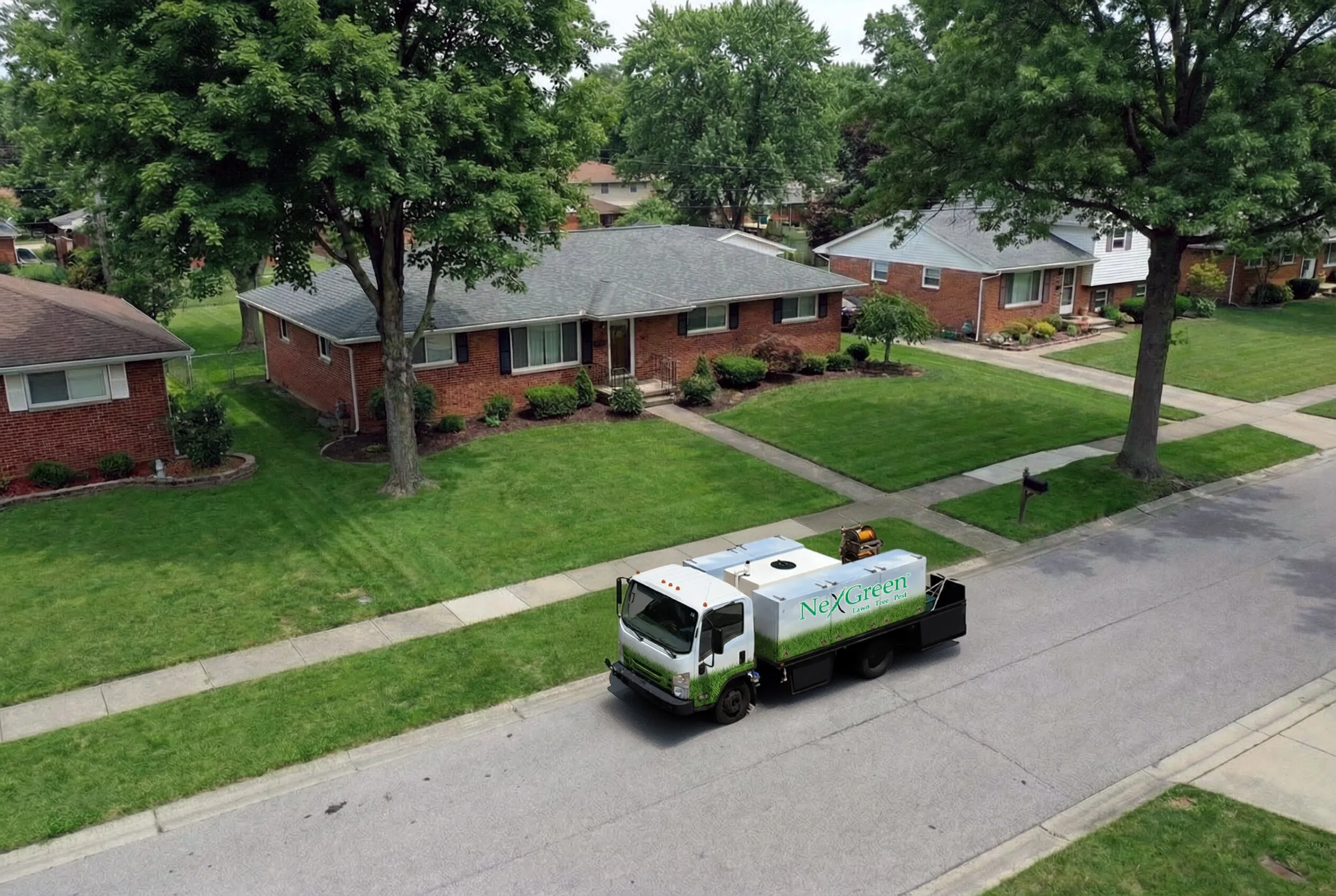
NexGreen serves Sylvan Lake homeowners with lawn, tree, and pest services designed for local outdoor spaces and Michigan conditions. When termite warning signs appear, a careful inspection helps homeowners move from uncertainty to a practical next step.
Sylvan Lake termite questions answered
A termite concern should not wait until damage becomes obvious. If you notice mud tubes, soft wood, discarded wings, bubbling paint, basement moisture, or suspicious changes near a porch, deck, garage, or foundation edge, NexGreen can help you take the next step.
Schedule termite control in Sylvan Lake and get a clear inspection, practical recommendations, and a treatment direction designed to protect your home before hidden activity has more time to spread.