Termite control for hidden home risks
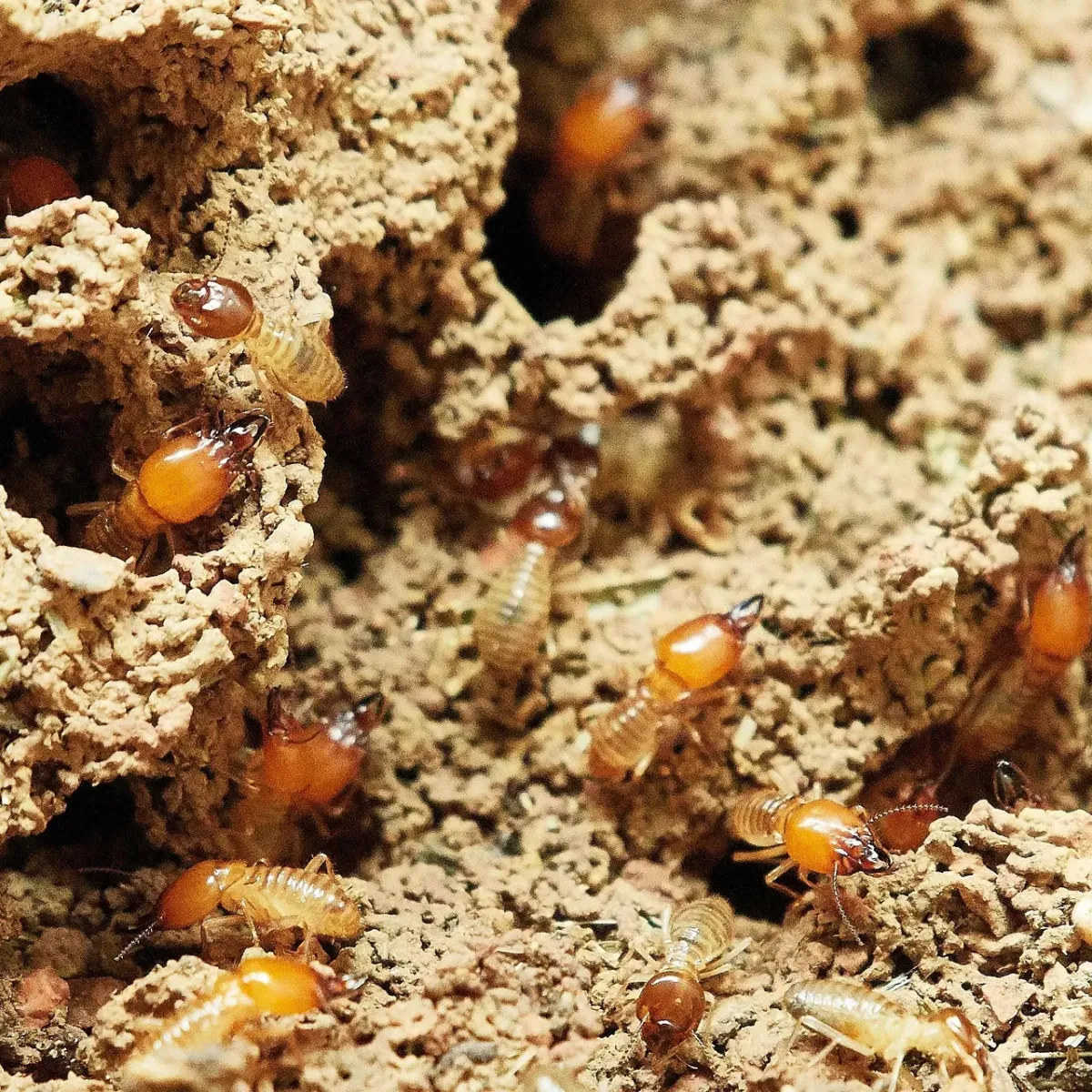
Termites are stressful because they can remain hidden while damage develops slowly. A home can look clean, maintained, and beautiful from the outside while termite activity is happening near the foundation, behind trim, around moist wood, or inside areas that are rarely inspected closely.
In Birmingham, termite concerns are worth taking seriously because many homes have basements, porches, mature landscaping, mulch beds, exterior wood details, and shaded foundation areas where moisture can become a factor. The first sign may be subtle: a mud tube near the foundation, hollow-sounding wood, soft trim, bubbling paint, tight doors, or discarded wings near a window.
Michigan State University Extension identifies eastern subterranean termites as the most serious wood-destroying pest in Michigan and notes that they are more common than many homeowners realize.

Get ready for summer with our limited time offer!
Enjoy your yard this summer by treating mosquitos early in the season. Schedule your service today!
Only $39.95 for your first service
Termites often stay out of sight
Subterranean termites build nests in moist soil and must return to soil to replenish body moisture. They can enter wood that is not touching soil by building shelter tubes over or through concrete foundations. MSU Extension also notes that termite damage may remain undetected for years.
That hidden behavior is why early inspection matters. Waiting for obvious damage can give termites more time to affect the structure.
For Birmingham homeowners, key areas to watch include basement walls, sill plates, rim joists, porch details, garage edges, foundation plantings, mulch beds, and any wood that stays close to soil or moisture.
Termite protection needs careful inspection
The inspection should focus on the places termites are most likely to move: foundation edges, basement walls, moisture-prone wood, mud tubes, utility penetrations, porch connections, garage areas, and wood-to-soil contact.
Termite signs can resemble moisture damage, older wood damage, or other structural concerns. Clear findings help homeowners understand whether the issue appears active, old, isolated, or connected to a larger risk.
Subterranean termites live in soil and often reach structures through hidden routes. Treatment should consider where signs are found, how moisture is affecting the area, and how termites may be accessing the home.
Depending on the property, follow-up support may include monitoring, reducing moisture, improving drainage, adjusting mulch placement, moving wood away from the home, and watching for new warning signs.
Termite warning signs to watch
Mud tubes near foundation walls, basement edges, garage areas, or crawl spaces can signal termite movement.
Wood that sounds hollow when tapped may indicate internal feeding damage.
Soft baseboards, trim, or flooring may point to moisture, decay, or pest activity.
Wing piles near windows, doors, or light sources may appear after termite swarmers emerge.
Surface changes can sometimes look like ordinary wear but may point to hidden moisture or damage.
Warning signs deserve a closer look
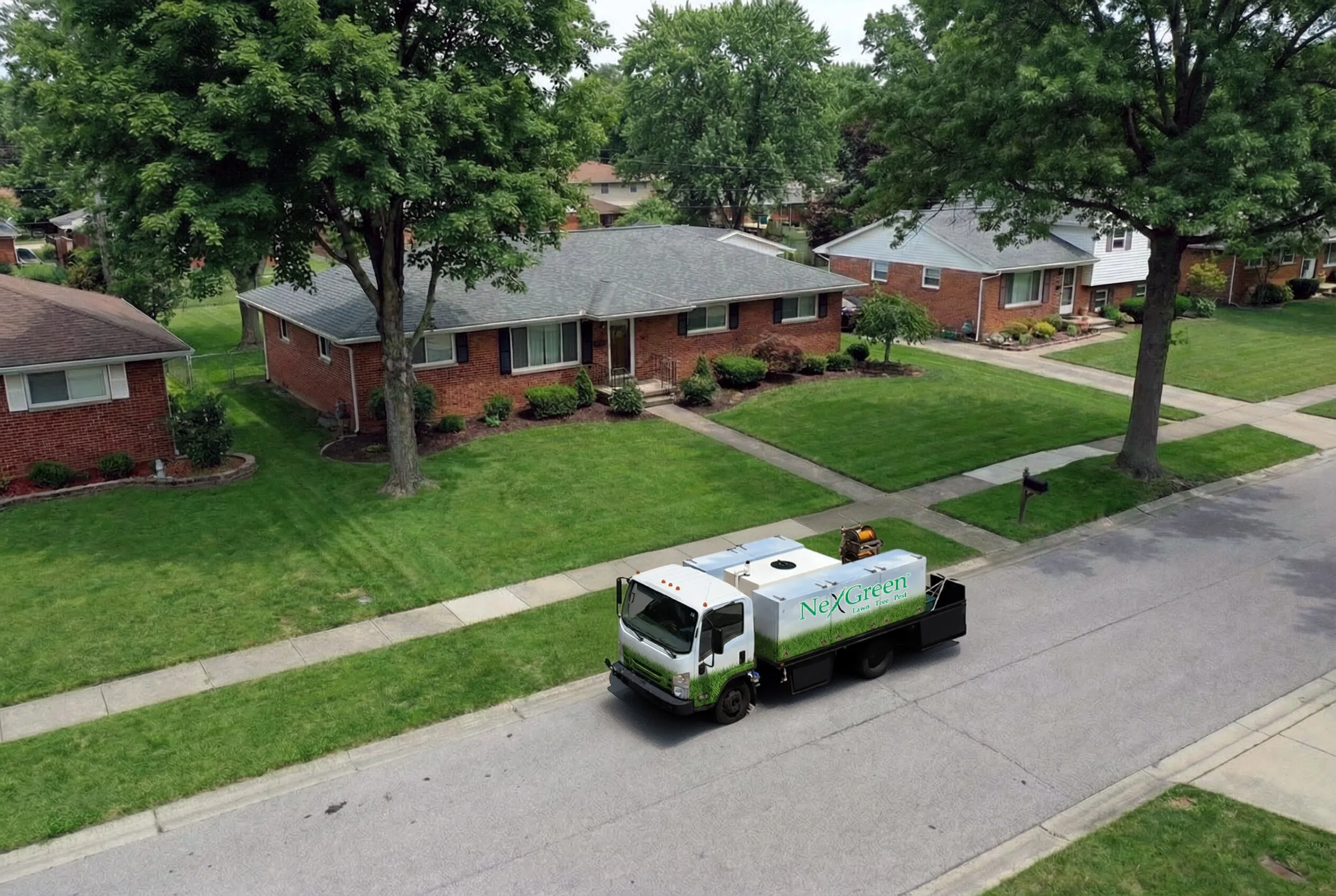
A termite concern can make any homeowner uneasy because so much of the issue is hidden. NexGreen already serves Birmingham with lawn, tree, and pest services designed for local homes and Michigan conditions. Their Birmingham page emphasizes eco-friendly care, science-backed treatments, and local know-how for outdoor spaces.
A professional inspection helps remove guesswork. Once the concern is understood, the next step becomes easier to plan.
Birmingham termite questions answered
A termite concern should not be ignored simply because the rest of the home looks normal. If you notice mud tubes, soft wood, discarded wings, bubbling paint, or moisture-prone areas near the foundation, NexGreen can help you take the next step. Schedule termite service in Birmingham and get a clear inspection, practical recommendations, and a plan designed to protect your home before hidden damage has more time to spread.