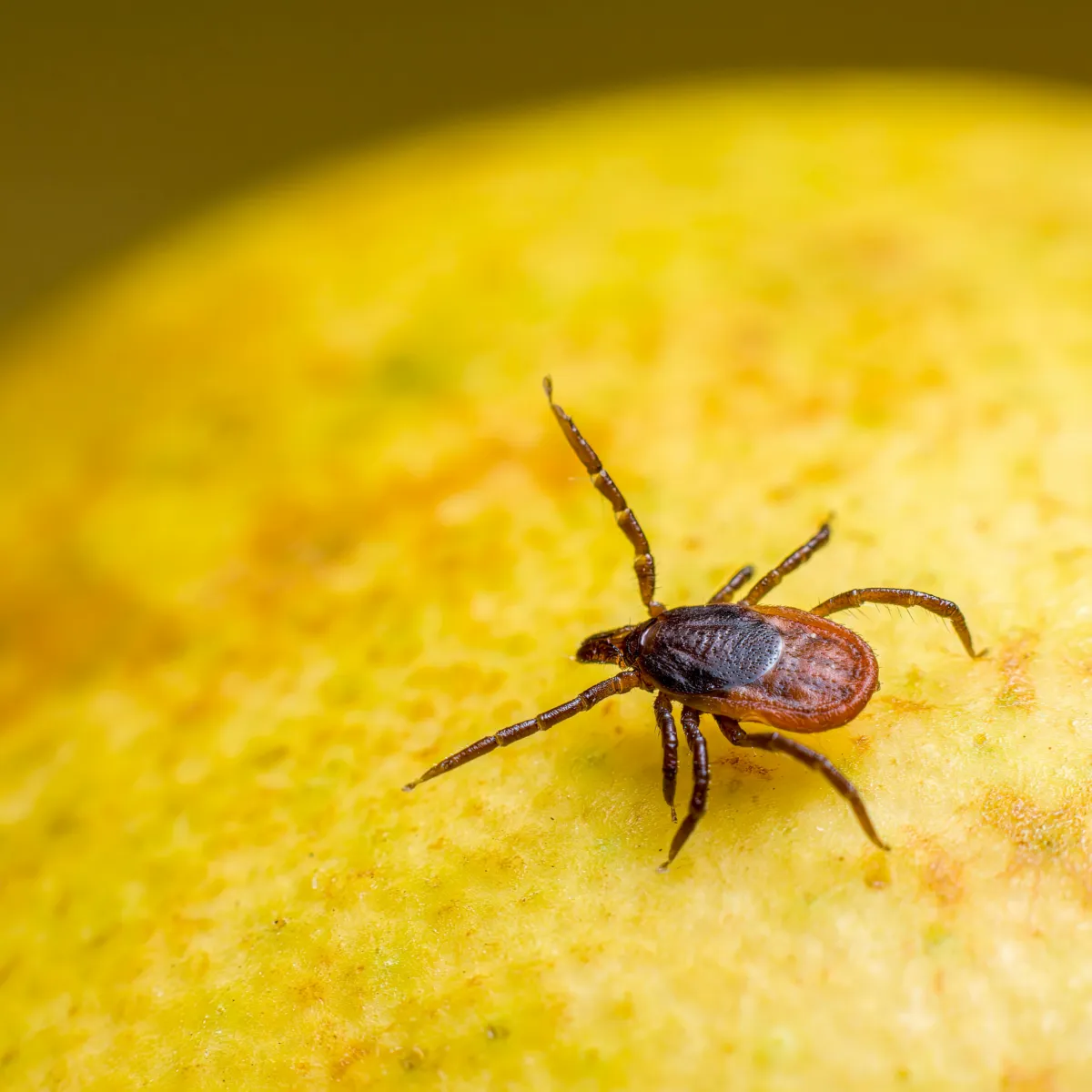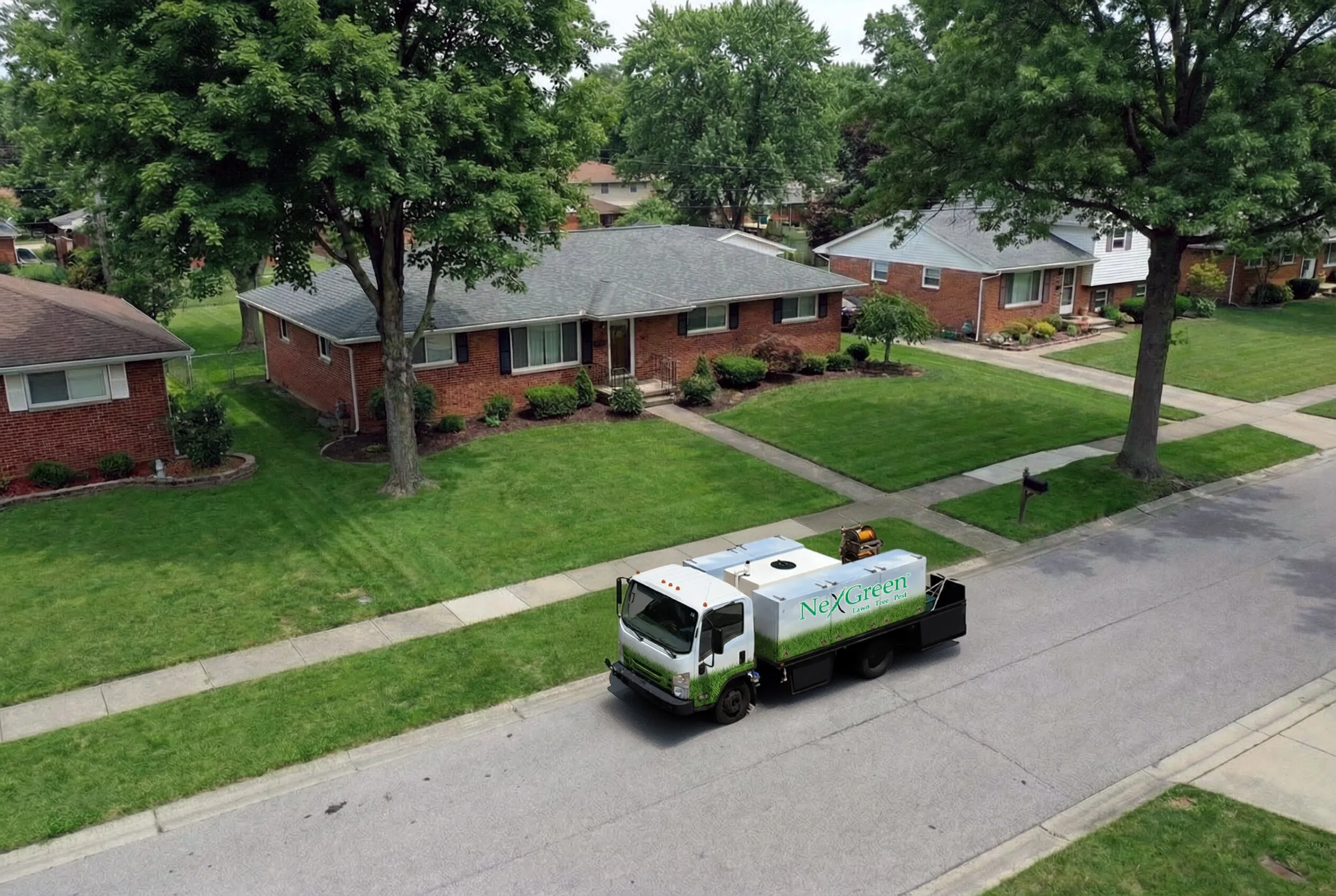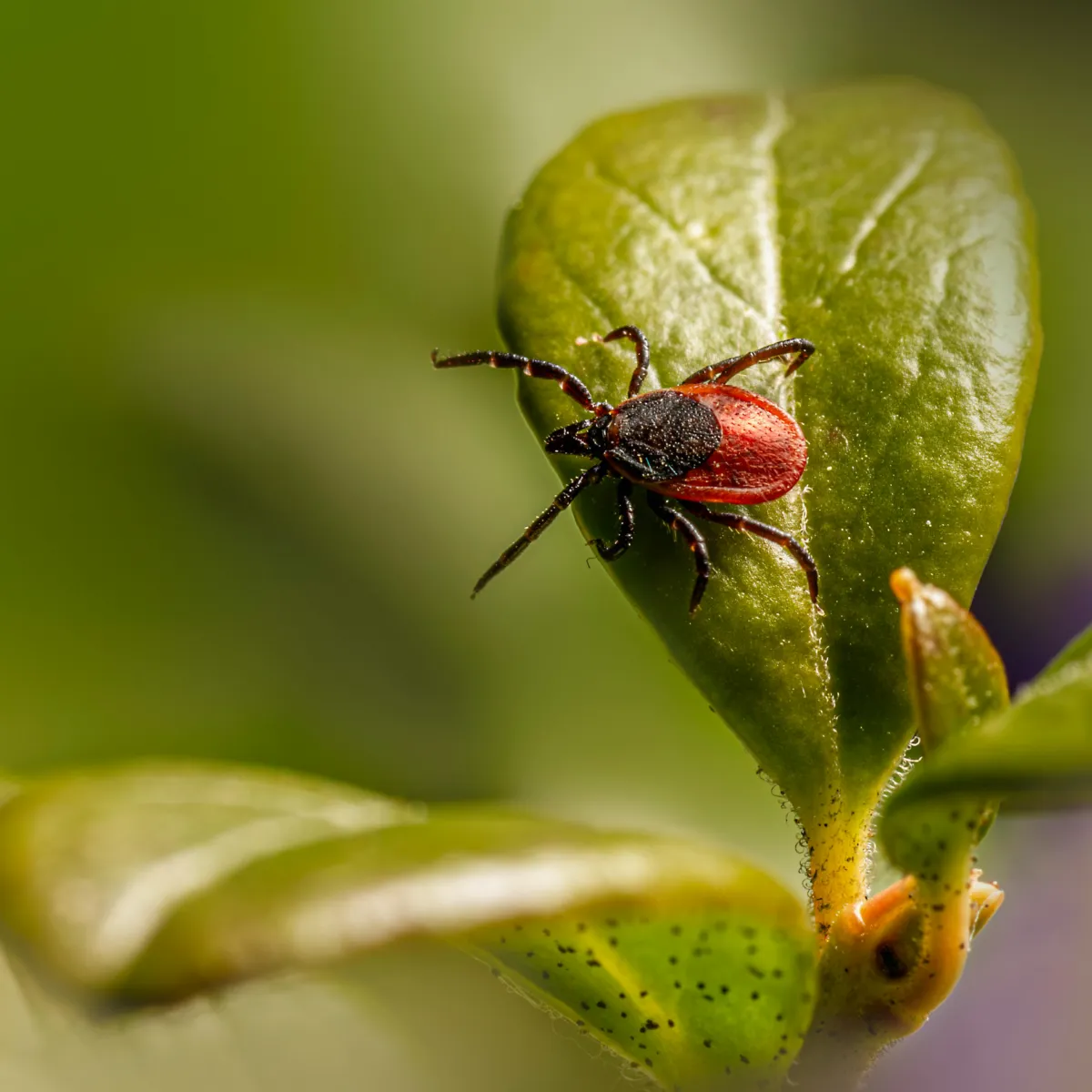
Subdivisions backing the big woods give ticks a short trip to the yard
Blacklick spreads across the northeast edge of the Columbus area, a community of newer subdivisions and established homes set close to Blacklick Creek and the deep woods of Blacklick Woods Metro Park. Living a short walk from that mature forest and its trails is much of what draws people here, and it also leaves ticks well supplied, since the woodland edge, thick understory, and creek- side brush meet the back fences of many a neighborhood. A carefully kept lawn can still take on ticks that worked their way out of the woods or up from the creek.
Nexgreen handles professional tick control in Blacklick, OH for homeowners who would rather get ahead of the problem than chase it through the season. Our crews concentrate on the shaded, damp, brushy ground where ticks gather before they ever reach the deck or the play set. Set up a one- time visit or recurring coverage through the warm months, count on a free quote up front, and on recurring service we return at no extra charge if ticks slip back between treatments.
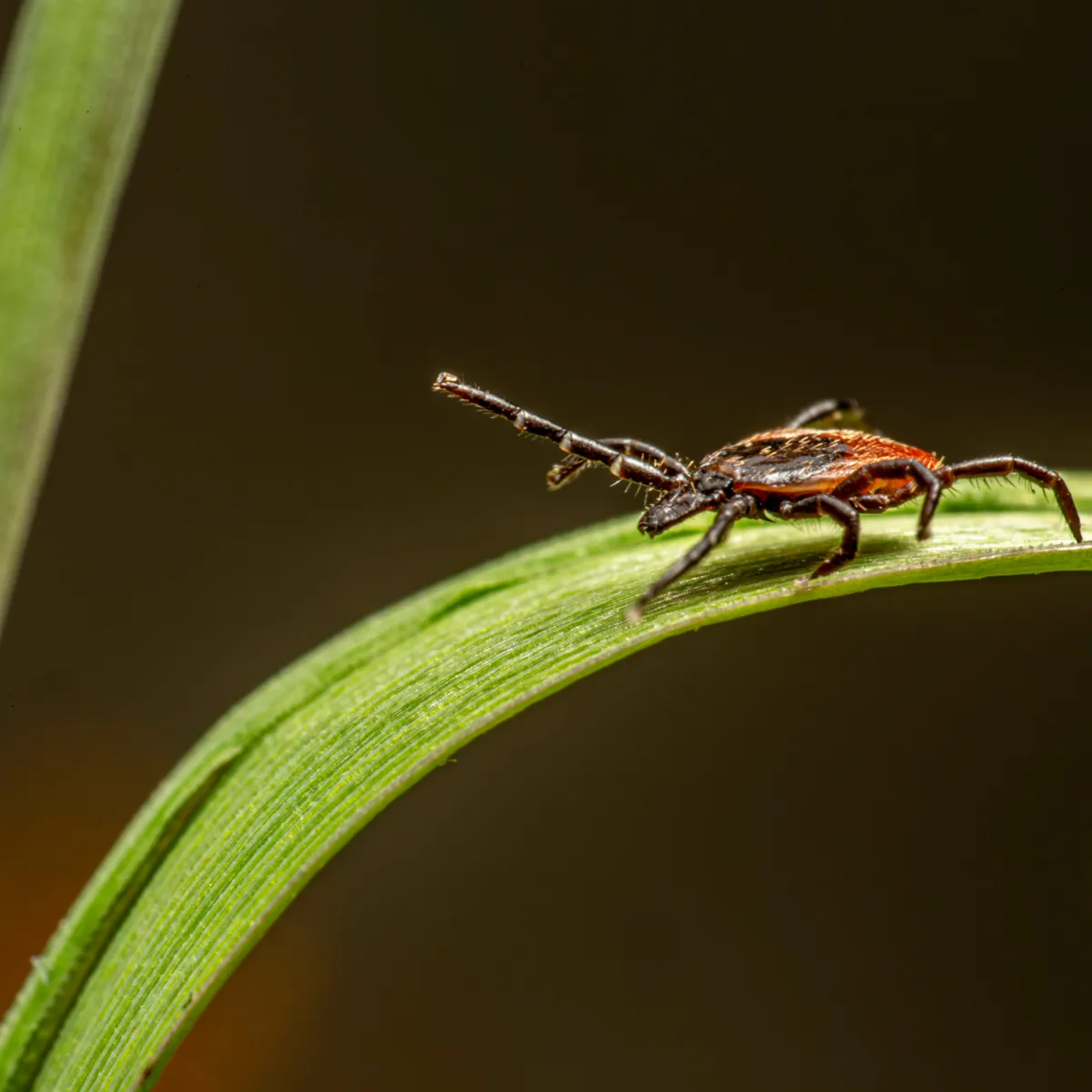
Get ready for summer with our limited time offer!
Enjoy your yard this summer by treating mosquitos early in the season. Schedule your service today!
Only $39.95 for your first service
A lot against the woods and an interior lot differ a lot
A Blacklick lot that backs the metro- park woods and one set deep in the interior of a subdivision face very different tick situations. The wooded- edge lot may carry nearly all its pressure where the forest understory meets the mowed grass, while the interior lot deals with a shaded side yard or a thick foundation bed. A home near the creek can pick up ticks from the damp, brushy corridor just beyond the line. We work out which of those features is the real source before any product comes out.
Each appointment opens with a walk of the lot that notes where the shade runs deepest, where rainwater collects, how the beds and fences sit, and which corners the household actually uses. Treatment then concentrates on those source areas plus the spaces people and pets share: the lawn, deck, pet runs, play sets, patio surrounds, seating areas, edge grass, planting beds, and the wooded seam that frames the lot. Removing what ticks depend on does more than any amount of chasing the few that surface.
A clear order keeps any trouble spot from being missed
Since each Blacklick lot sits differently against the woods, the plan follows what the walk- through reveals rather than a rigid checklist. A typical visit moves through four stages.
We begin by walking the property, judging how far the woodland shade reaches, where water settles, the height of the grass, the thickness of the beds and understory, the trails the pets follow, and the line where mowed lawn meets the forest or the creek. That reading points us to where ticks have gathered and where treatment will do the most good.
Once the strongholds are clear, the product targets where ticks actually wait out the heat: the edge grass, the bed margins, the woodland brush, the damp corners, the shaded sides of the house, and the rest of the sheltered ground they favor. Treating that ground head- on beats coating the open lawn the ticks were never on.
From there we draw a treated border around your most- used spaces. It can trace the lawn's edge, the foundation, the fences, the shrubs and beds, the tall grass, and the woodland line, then carry on beneath decks, around the shed, through pet runs and play areas, across patio seating, and into any deep shade or boggy stretch where ticks try to creep back.
Because the woods keep restocking the yard with ticks, one treatment is only the start. Visits repeated through the active season intercept new arrivals before they settle and hold the protection level as the lot fills in over the summer.
A tick is usually well dug in before it ever turns up
A tick amounts to far more than a passing irritation, since it can move disease into your family and your pets while staying nearly impossible to spot. Many Blacklick households never realize a thing until one turns up on the dog after a walk along the woods, or fixed behind a knee after an afternoon in the yard. With no sting to the bite, the trouble has usually been building for weeks before anyone notices.
This wooded pocket of central Ohio suits ticks well. Humid summers, regular rain, creek moisture, and above all the metro- park forest and its understory hand them shade, cover, and a steady run of deer and small mammals moving between the woods and the yards. A neat lawn changes nothing on its own, since a few damp, shaded pockets along the woodland edge can keep the whole population fed. Treating on a schedule drives those numbers down at the source rather than leaving you to react at the back door.
Ticks hold to the woodland edge, not the open lawn
Ticks have no use for hot, open ground, so they pile up exactly where the woods keep things cool and damp. Tall grass and understory brush give them somewhere to climb and wait, while leaf litter, fallen wood, and the shade beneath a deck lock in the moisture they must have. A mulched bed along the foundation or a fence running toward the woods simply gives them a route.
Along the line where a Blacklick lot meets the forest or the creek, a shed, a gate, or a play set in the gap becomes a drop point as deer and rodents travel between cover and lawn. Pet areas see the heaviest traffic, since a dog wears the same trail toward the trees again and again. The deep, slow- drying shade of the woodland edge calls for the closest look, since it stays hospitable long after the open lawn has dried in the sun.
The family heads for the woods edge ticks favor
On a Blacklick lot, the tick problem comes into focus once you see how the family gravitates toward the woods that ticks favor. The dog makes straight for the tree line on instinct, and the kids head for the back of the lot, pushing through tall grass toward the forest edge. Since the bite leaves no sting, a tick can ride indoors on a child or a dog and go unnoticed well after everyone is inside.
Ease the pressure along the routes everyone uses and the lot opens back up. The kids can explore toward the woods again, the dog can roam the tree line without coming home loaded with passengers, and an evening outdoors stops ending with a careful once- over at the door. Steering the treatment toward where the family really gathers is what restores that comfort beside the woods.
Ohio's warm stretch keeps ticks active for months
Spring sets things in motion. As the forest leafs out and the ground warms, ticks rouse from dormancy and fan out hunting a host, so an early treatment heads off that first surge before it digs into the shaded woodland edge and beds. Summer then keeps the air heavy and the watered, shaded reaches of a lot comfortable even while the open lawn bakes, which is exactly when treated borders and pet areas earn their keep through all the outdoor use.
Fall lulls a lot of homeowners into easing up, but the leaf fall stacks fresh shelter along the woods and certain ticks keep questing past the first cool morning, even venturing out on mild winter days. Rain runs through the whole pattern, since each storm restores the moisture ticks bank on, and while the open lawn drains quickly, the woodland edge, low spots, and shaded strips stay damp and welcoming far longer.
The source is seldom the corner you would first suspect
Effective tick control comes down to finding where the pressure truly starts, and on a Blacklick lot that is rarely the obvious spot. It may be the foot of the woodland edge, a damp corner near the creek, or a brushy border that holds cover all season. Nexgreen reads each property on its own terms instead of dragging one stock routine across every lot along the woods.
Homeowners stay with us for technicians who know central Ohio ground, for licensed and insured service, for clear pricing, and for a free quote from a crew that understands how the woods and creek drive tick numbers. Recurring coverage is there for anyone who wants the calm to hold, treatments are planned with kids and pets in mind, and a rebound between scheduled visits brings us back to re- treat. Since our work reaches well past ticks, the same crew can handle other outdoor pests when they show up.
A little upkeep between visits keeps the calm holding
You can get more out of a treatment by leaving the lot less hospitable. Mowing on schedule and cutting back the shrubs lets sun and air dry the soil and thins the cover ticks shelter in. Hauling off leaf litter, fallen wood, and stray clutter clears out the cool, damp ground near the woods where they wait.
Keeping pet areas trimmed helps too, along with checking the dog after every trip toward the trees and breaking the habits that pull deer and rodents in, starting with a bird feeder moved well back from the lawn. A line of gravel, rock, or mulch between the lawn and the woodland edge gives ticks a dry strip they steer around, and shifting the play set away from the understory keeps the kids out of the thick of it. Where one corner refuses to settle, recurring service is the steadiest answer.
One hot spot can be cleared in a single visit
Reach for a one- time treatment when just one part of a Blacklick lot flares up on its own. Homeowners tend to call after turning up ticks near the patio, along a worn pet trail toward the woods, in a dense planting, or in a spot about to host a cookout or a gathering. It knocks the local activity down in a hurry and doubles as a low- commitment way to see whether a standing schedule is worth it.
Steady coverage keeps the woods from refilling the yard
If you are after durable relief instead of a brief lull, recurring service is the stronger option beside the woods. Ticks rebuild as rain, heat, and new growth cycle through the warm months, so a standing schedule meets each push before it can take root. That regular rhythm also keeps the same woodland edge from quietly restocking the yard year after year.
Homes backing the same woods and creek share the pests
Nexgreen serves Blacklick households that want their lawns, decks, pet areas, and the rest of their outdoor space kept clear of returning ticks. Other woods- edge and creekside properties with the same makeup, forest borders, creek moisture, brushy understory, and steady backyard use, tend to respond to the same approach. If your home backs the woods or sits near the creek and you are unsure you fall in our range, just ask, because we travel well beyond the immediate area.
A short list of questions follows most tick sightings
When ticks are shrinking how much of your own lot you can enjoy, Nexgreen can step in with treatment aimed straight at where they breed. Whether they ride in off the woodland edge, a brushy creek, a worn pet trail, or the dense bed by the patio, our crew will walk the property, treat the ground that counts, and shape a plan around how your household really lives outdoors. Book your visit today, or reach out to schedule service and claim your free quote.