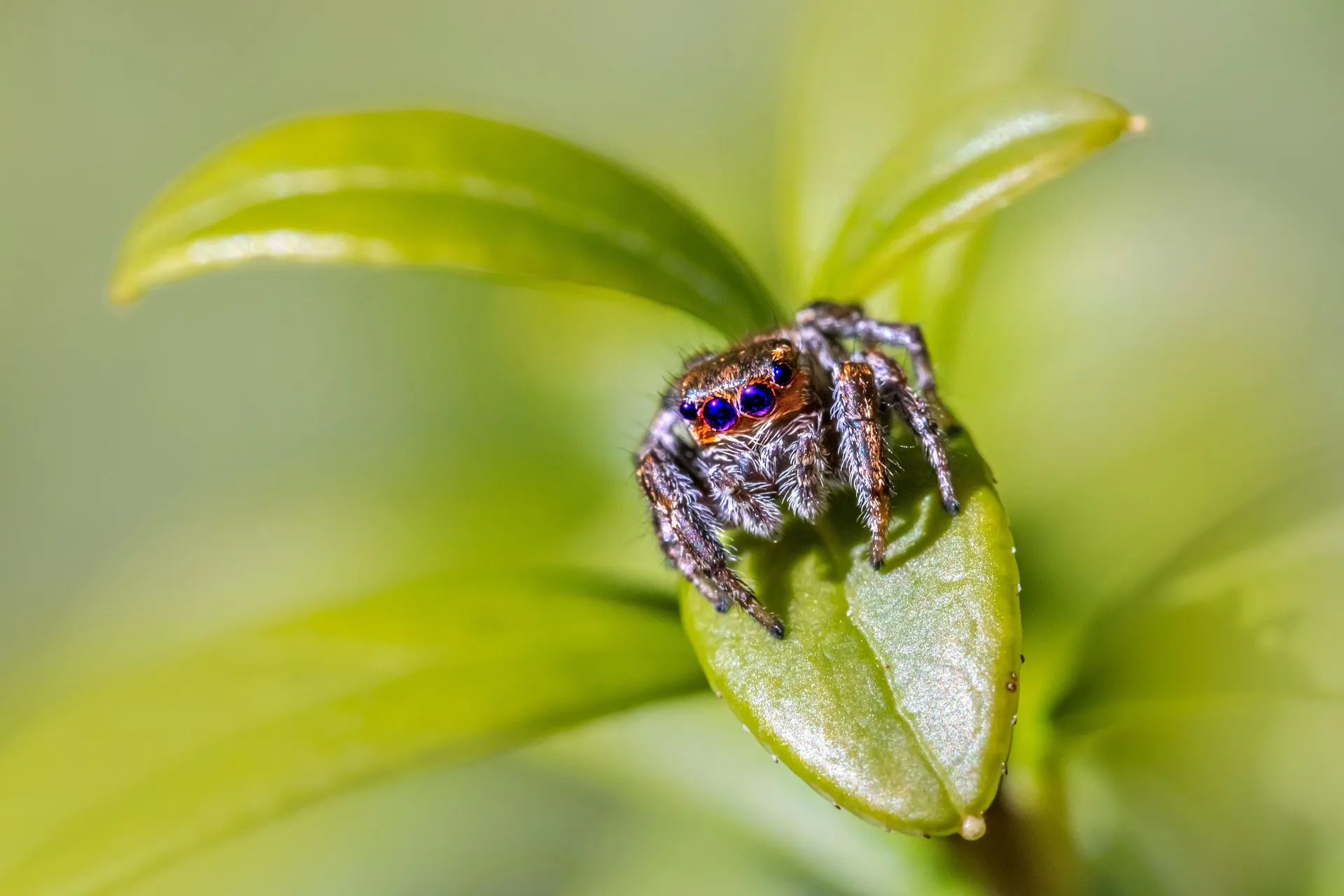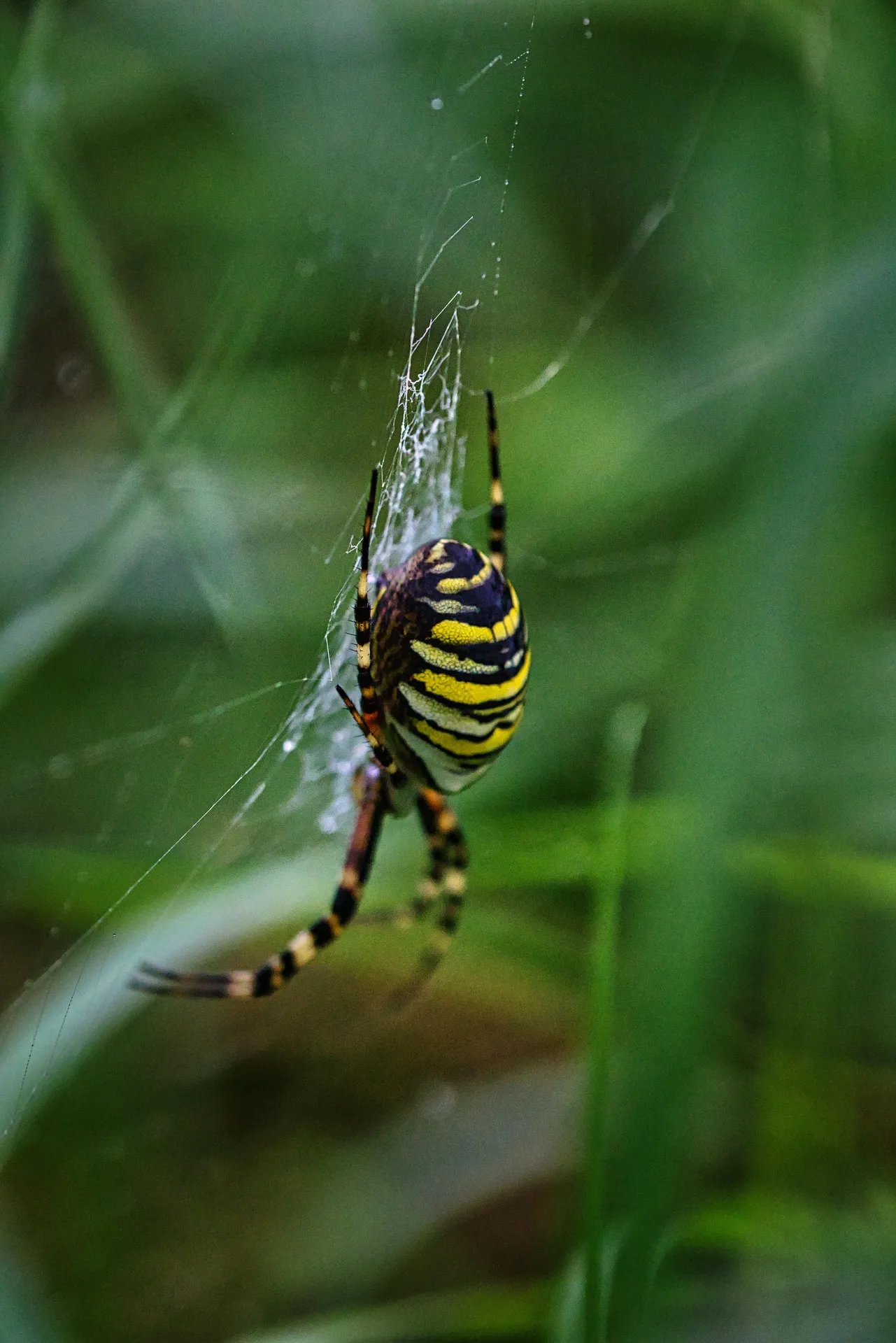
Wooded green spaces can keep spider activity lingering nearby.

Spider Control Services in Blacklick, OH

Blacklick homes often sit close enough to tree cover, greenways, and quiet neighborhood edges that spider issues can build slowly without making a lot of noise at first. You may see a web under the eave, then another one at the back step, then a spider in the garage or near a lower hallway. It feels gradual until it stops feeling incidental.

NexGreen provides spider control in Blacklick, OH for homeowners dealing with webbing, indoor sightings, hidden egg sacs, and repeated spider activity around patios, garages, porches, and storage spaces. Blacklick’s identity is closely tied to trees, trails, and the Blacklick Creek corridor, and that greener setting can create excellent spider habitat around homes that otherwise feel quiet and well- kept.


Get ready for summer with our limited time offer!

Enjoy your yard this summer by treating mosquitos early in the season. Schedule your service today!

Only $39.95 for your first service

Get A Quote

Why Spider Problems in Blacklick Need More Than a Quick Spray

Why Spider Problems in Blacklick Need More Than a Quick Spray

The typical Blacklick spider problem is not always centered on the middle of the house. It often begins along the wooded edge of the lot, the fence line near the trail side, the patio backing toward trees, or the garage corner closest to shade and moisture. Those are the places insects like first.

A quick spray on the siding does not change the deeper reason spiders are nearby. If the outside edge stays damp, the insects keep gathering, and the patio light stays busy at night, the next web is usually not far behind.

Professional spider pest control is more helpful in Blacklick when it follows the property’s green edge as carefully as it follows the house wall. That is often where the real pattern starts.

Blacklick spider sightings often reflect wooded nearby habitat.

Common Spiders Found in Blacklick

Wolf spiders are often spotted in garages, lower rooms, and near stored outdoor items because they move openly rather than waiting in a web. In homes near wooded edges, they can appear suddenly enough to make homeowners think the issue is bigger than it looked a day earlier.

House spiders and cellar spiders tend to stay quieter. They use closet corners, utility spaces, basements, storage shelves, and the lower edges of the home where they can spin webs and stay mostly undisturbed. Web buildup is usually the first giveaway.

Outside, orb weavers may build around railings, shrubs, deck corners, and lights near patios or trailside yards. Jumping spiders often show up along trim, shutters, and sunlit fences. Black widows should be treated carefully if they are suspected around stacked materials, outdoor storage, utility boxes, or low- traffic structures near the home.

Blacklick infestations often reveal themselves through overlap.

Signs of a Spider Infestation

Recurring Webs

A spider infestation in Blacklick often starts with overlap between outdoor and indoor signs. Webs begin appearing around the back patio or garage trim, and then spiders start showing up in a nearby mudroom, basement corner, or storage closet.

Indoor Sightings and Egg Sacs

The smaller clues matter too. Egg sacs attached beneath furniture, dead insects in webbing near exterior lights, shed skins in quiet lower rooms, and webs that rebuild within days of cleanup all point to more than a passing spider.

Other Signs

When multiple parts of the property start telling the same story, it is usually time for a more complete spider control plan instead of another short- term cleanup.

Spiders enter where the green edge meets openings.

Why Spiders Enter Homes

Blacklick homes can attract spiders because the outside edge stays active. Tree cover, creek- side humidity, ground vegetation, and insects near lights or patios all give spiders reason to remain close to the structure. Once they are there, small openings are enough.

Garage seals, basement windows, patio thresholds, utility penetrations, crawl space vents, damaged screens, and foundation gaps can all become entry points. The opening may be tiny, but that does not stop the movement.

Seasonal changes usually make the problem more noticeable. Spring and summer build the outdoor side. Fall sends more spiders toward garages, lower rooms, closets, and storage areas that feel protected and stable.

Tree- lined neighborhoods still leave many sheltered spider spaces.

Where Do Spiders Hide

In Blacklick, spider hiding spots often form where the yard and the structure overlap. Under decks, behind patio furniture, along fence corners, near shrub lines, under stored outdoor items, and beneath roof eaves are all common locations.

Inside, spiders may use basements, storage rooms, utility corners, closet tops, behind shelves, and under- stair spaces. Homes near greener corridors often see outdoor activity press close enough that these quieter indoor zones become extensions of the same spider pattern.

Spiders do not need much. A little cover, a little stillness, and a nearby bug source are usually enough.

Better spider control starts at the property edge.

Our Spider Control Process

Inspection

We inspect the spots that explain how the activity is moving, including patios, garage corners, fence lines, visible web sites, likely entry points, lower rooms, and the outside edges nearest tree cover or dense plants.

Treatment

Treatment may include targeted applications, exterior perimeter work, web removal, visible egg sac removal, crack- and- crevice treatment, residual materials, and interior spot treatment where needed.

Prevention

Prevention recommendations may include trimming vegetation, sealing narrow gaps, improving storage, reducing clutter, repairing screens, and lowering insect attraction around problem lights and doors.

Monitoring

Because wooded and greenway- adjacent homes can see spider activity shift throughout the year, monitoring helps stop the same outdoor and indoor zones from rebuilding after treatment.

Blacklick spider activity follows the greener parts of the year.

Spider Activity in Blacklick and the Blacklick Creek Corridor

Spring usually starts the cycle with fresh webbing around porches, patios, fence lines, and shrubs as insects return to greener parts of the property. Homes near the creek corridor and trail- linked green spaces may notice the change sooner.

Summer keeps the outside active. Tree cover, evening moisture, and insects around lights or seating areas can make patios, decks, garages, and porch corners the busiest spider zones of the season.

Fall often moves the problem inward. Garages, basements, storage rooms, and closets begin seeing more traffic as spiders look for steadier cover. Winter lowers outdoor activity, but quiet indoor sections can still hold them.

DIY sprays usually leave the wooded- edge pattern intact.

Why Professional Spider Control Works Better Than DIY

A homeowner spray can take care of the spider you find today. It usually does not change the reason spiders keep using the same patio corner, lower room, or garage edge. Egg sacs remain hidden, insects keep moving through the same lighted areas, and outdoor shelter stays useful.

That is why the problem often feels like it is gone and then suddenly back again. The visible sign changed, but the underlying pattern never really broke.

Professional spider control works better because it treats the property as one connected environment, from the wooded edge to the indoor hiding spots.

Prevention works best when the yard loses its easy edges.

Spider Prevention Tips

Blacklick homeowners can reduce spider activity by keeping webs cleared from patio corners, lifting stored items off garage floors where possible, moving wood piles away from the house, and keeping shrubs or branches from touching the structure.

It also helps to look at the greener side of the property honestly. If one edge of the yard stays damp, shaded, and insect- heavy, that is often where spider control needs the most help. Exterior lights near those zones deserve extra attention as well.

Prevention is rarely about making the home perfect. It is more about making the easiest spider spots less dependable.

Spider treatment should fit homes built around outdoor living.

Family & Pet Safe Treatments

NexGreen uses licensed technicians and focused spider treatments based on where activity is strongest. That matters in Blacklick homes where garages, patios, porches, and yards are often used heavily through the warm season.

Families and pets still need those spaces to stay usable. Spider control should make the house feel calmer without making daily routines harder.

The service is built around problem zones, not broad guesswork. That makes it easier to treat what matters most and keep the home comfortable.

Local green- space knowledge helps shape better spider service.

Why Choose NexGreen

NexGreen serves Blacklick from its Groveport- area location and understands that homes near the Blacklick Creek corridor, Metro Parks, and tree- lined neighborhoods often deal with a different spider pattern than more exposed suburban lots.

Blacklick properties often combine woods, trails, patios, garages, and lower rooms in a way that keeps spider movement spread across the outside edge and the inside corners at the same time.

NexGreen approaches spider control with that local setting in mind, helping homeowners reduce recurring webs and sightings in a way that matches how Blacklick homes actually sit on the land.

Blacklick homeowners usually ask about woods, patios, and garages.

FAQs

Schedule Spider Treatment in Blacklick, OH

Book spider control in Blacklick with NexGreen if patios, garages, lower rooms, porch corners, or tree- side edges of the home keep collecting webs and sightings. Schedule an inspection and we will trace the problem from the greener outside edge to the hidden indoor spots that are letting it continue. A good spider plan starts by finding the route, not just the latest surprise.