Local lawn care for Blacklick yards with shade, weeds, compacted soil, and seasonal turf stress.
Blacklick lawns can be beautiful, but they are not always simple. Some yards sit near wooded edges, creek-influenced areas, or mature trees that keep sections shaded and damp. Others are in newer neighborhoods where the soil may feel compacted, uneven, or slow to support thick grass. Then there are the sunny spots near driveways, sidewalks, and open backyards that can dry out faster once summer heat arrives.
NexGreen helps Blacklick homeowners care for their lawns with services built around stronger roots, healthier soil activity, and better seasonal timing. Our lawn care program includes bio-nutrient treatments, fertilization, weed control, aeration, overseeing, grub control, soil conditioning, and lawn support when stress or disease starts showing up.
For homes around Jefferson Township, Blacklick Creek, Reynoldsburg-New Albany Road, Waggoner Road, and the neighborhoods that connect Blacklick to the larger Columbus area, a healthy lawn usually needs more than regular mowing. It needs the right care at the right time, especially when weeds, shade, soil compaction, and summer stress start working against the grass.
Stronger turf starts with what the lawn needs most.
A good lawn care plan should feel specific to the yard, not copied from every other property nearby. Some Blacklick lawns need help filling thin areas. Some need fewer weeds. Some need the soil opened up before fertilizer and water can work properly. NexGreen looks at the lawn’s condition first, then builds a plan around what will actually help.
Fertilization helps feed the lawn during the parts of the year when grass is actively growing. NexGreen also uses bio-nutrient treatments to support healthier roots, thicker turf, and more consistent growth over time.
This is especially helpful in Blacklick because cool-season lawns can look strong in spring, slow down during hot summer weather, and then need a good fall recovery. A properly fed lawn has a better chance of holding color, filling open spots, and making it harder for weeds to spread.
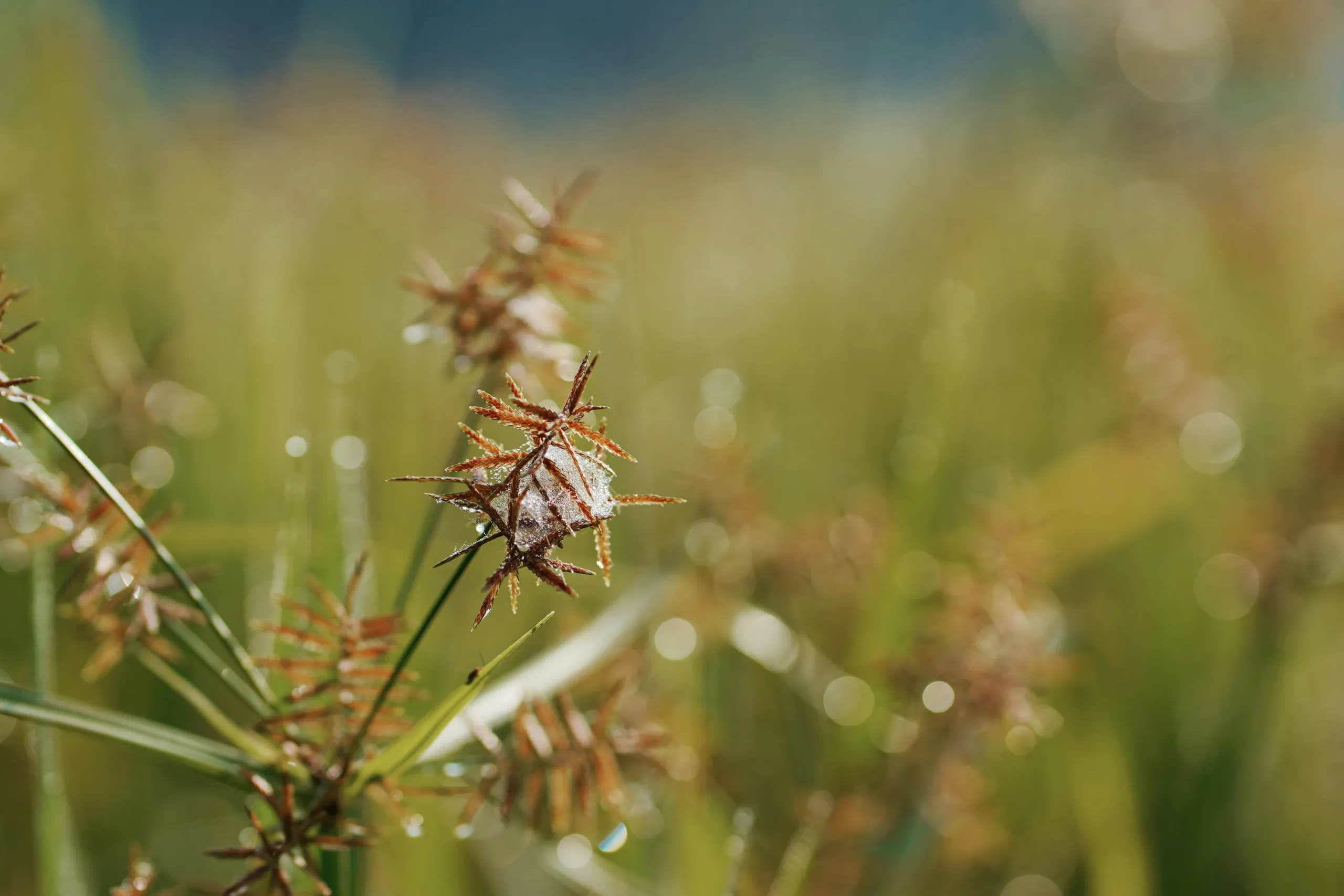
Weeds usually show up where the lawn already has a weakness. Crabgrass may appear along pavement and sunny edges. Dandelions can spread through open turf. Clover often settles into thin grass, and nutsedge can become more noticeable in areas that stay damp.
NexGreen’s weed control helps reduce visible weeds while supporting the bigger goal of healthier turf. The cleaner and thicker the lawn becomes, the harder it is for weeds to keep returning to the same places.
When soil becomes compacted, the lawn may stop responding the way it should. Water may run off instead of soaking in. Roots may stay shallow. Bare areas may keep coming back year after year.
Aeration helps open the soil so air, water, and nutrients can reach the root zone more easily. Overseeding adds fresh grass seed into thin or bare areas, helping the lawn become fuller. For many Blacklick lawns, fall is the best season for aeration and overseeing because cooler weather gives new grass a better chance to establish.
Grubs feed below the surface and damage grass roots. At first, the lawn may simply look dry, weak, or thin. Over time, the turf can brown, loosen, or lift too easily from the soil.
NexGreen’s grub control helps protect the root system before underground damage spreads into larger areas of the yard.
Sometimes the lawn is struggling because the soil is holding it back. Compaction, pH balance, and nutrient availability can all affect how well grass responds to care. When needed, NexGreen may recommend soil conditioning to help the lawn make better use of the treatments being applied.
Lawn service should be simple from the start.
Start by requesting a quote for your Blacklick lawn. NexGreen gathers the basic details about your property and what you are noticing outside.
We look at turf density, weeds, bare spots, compaction, possible grub activity, soil concerns, drainage patterns, shade, and seasonal stress.
Your plan may include fertilization, bio-nutrients, weed control, aeration, overseeing, grub control, soil conditioning, or lawn fungus support.
Treatments are scheduled at the right points in the season. In most cases, you do not need to be home as long as the lawn is accessible.
As the lawn responds and the season changes, NexGreen continues supporting the grass with treatments and recommendations that help it move in the right direction.
Blacklick lawns do best with cool-season grass.
Blacklick lawns are best suited for cool-season grasses that can handle cold winters, spring growth, fall recovery, and summer stress.
Tall Fescue is a strong choice for many Blacklick lawns because it handles heat, regular use, and mixed soil conditions better than some other cool-season grasses. It works well in family yards, pet-use areas, open lawns, and properties with a mix of sun and shade.
Kentucky bluegrass can create a dense, attractive lawn when it receives steady care. It has good recovery ability, but it usually needs proper watering, fertilization, and weed control to stay healthy through summer.
Perennial ryegrass germinates quickly, which makes it useful for overseeing thin areas. It is often included in seed blends to improve early coverage while the rest of the lawn fills in.
Fine fescue can help in shaded or lower-light areas, especially near trees, fences, wooded edges, or structures. It can be useful in Blacklick yards where sunlight changes from one section to another.
Blacklick lawn care changes with the season.
Spring is the time to help the lawn wake up cleanly. Pre-emergent weed control can help reduce crabgrass before it becomes visible, while fertilization supports fresh growth. It is also a good time to identify thin patches, winter damage, and compacted areas that may need attention later.
Summer is when Blacklick lawns often reveal their weak spots. Water deeply in the morning when needed, avoid mowing too short, and watch for stress near pavement, open sun, and sloped areas. Shaded or damp sections should also be watched for fungus pressure during humid stretches.
Fall is one of the best times to improve the lawn. Aeration and overseeing can help repair thin areas, while fall fertilization supports root strength before winter. A strong fall plan can make the lawn look fuller and cleaner the following spring.
Winter care is mostly about protecting dormant turf. Avoid heavy traffic on frozen or soggy grass, keep thick leaf buildup from sitting too long, and plan spring weed prevention before crabgrass and broadleaf weeds start moving in.
Blacklick lawns may deal with crabgrass, dandelions, clover, nutsedge, and other broadleaf weeds. These issues often appear where turf is thin, compacted, underfed, shaded, or stressed by heat and moisture changes.
Common lawn pests may include grubs, chinch bugs, sod webworms, and armyworms. Grub damage is especially important to catch early because it begins below the surface and can weaken the lawn before the problem is obvious.
Blacklick lawns may deal with crabgrass, dandelions, clover, nutsedge, and other broadleaf weeds. These issues often appear where turf is thin, compacted, underfed, shaded, or stressed by heat and moisture changes.
Local facts help guide better lawn timing.
USDA Plant Hardiness Zone: 6a to 6b
County: Franklin County
Township: Jefferson Township
ZIP Code Reference: 43004
Average Annual Rainfall: About 40 to 42 inches
Average Annual Snowfall: About 22 inches
Average Summer High: Around 84°F to 85°F
Average Winter Low: Around 24°F
Average Sunny Days per Year: About 178 sunny days
Typical Lawn Type: Cool-season turf
Common Soil Conditions: Central Ohio clay-influenced and loamy soils with compaction, shade differences, drainage variation, and newer-development soil challenges depending on the property
Recommended Watering Time: Early morning, before heat and afternoon evaporation
These details matter because Blacklick lawns do not all behave the same way. A shaded yard near mature trees may stay damp and thin. An open lawn may dry quickly. Newer lots may struggle with compacted soil. A stronger lawn care plan accounts for those differences instead of treating every property the same.
Better lawn care should feel personal to the yard.
NexGreen focuses on helping lawns become healthier over time. Our program uses bio-nutrient treatments, fertilization, weed control, nutrient management, aeration, overseeing, grub prevention, soil conditioning, and seasonal applications to support stronger roots and thicker turf.
For Blacklick homeowners, that means your lawn is treated based on what it actually needs. We look at thin patches, weeds, compacted soil, possible grub damage, drainage patterns, shade, sun exposure, and seasonal stress before recommending the next step.
Clear answers make lawn care easier.
If your lawn has been thinning under shade, filling with weeds, drying out in open areas, or struggling to bounce back after summer, it may need more than another mowing cycle. NexGreen can help build a lawn care plan around the way your Blacklick yard actually grows, from compacted soil and crabgrass pressure to bare spots and seasonal stress.
Let your grass get the support it needs below the surface, so the whole yard can start looking healthier, fuller, and easier to enjoy.