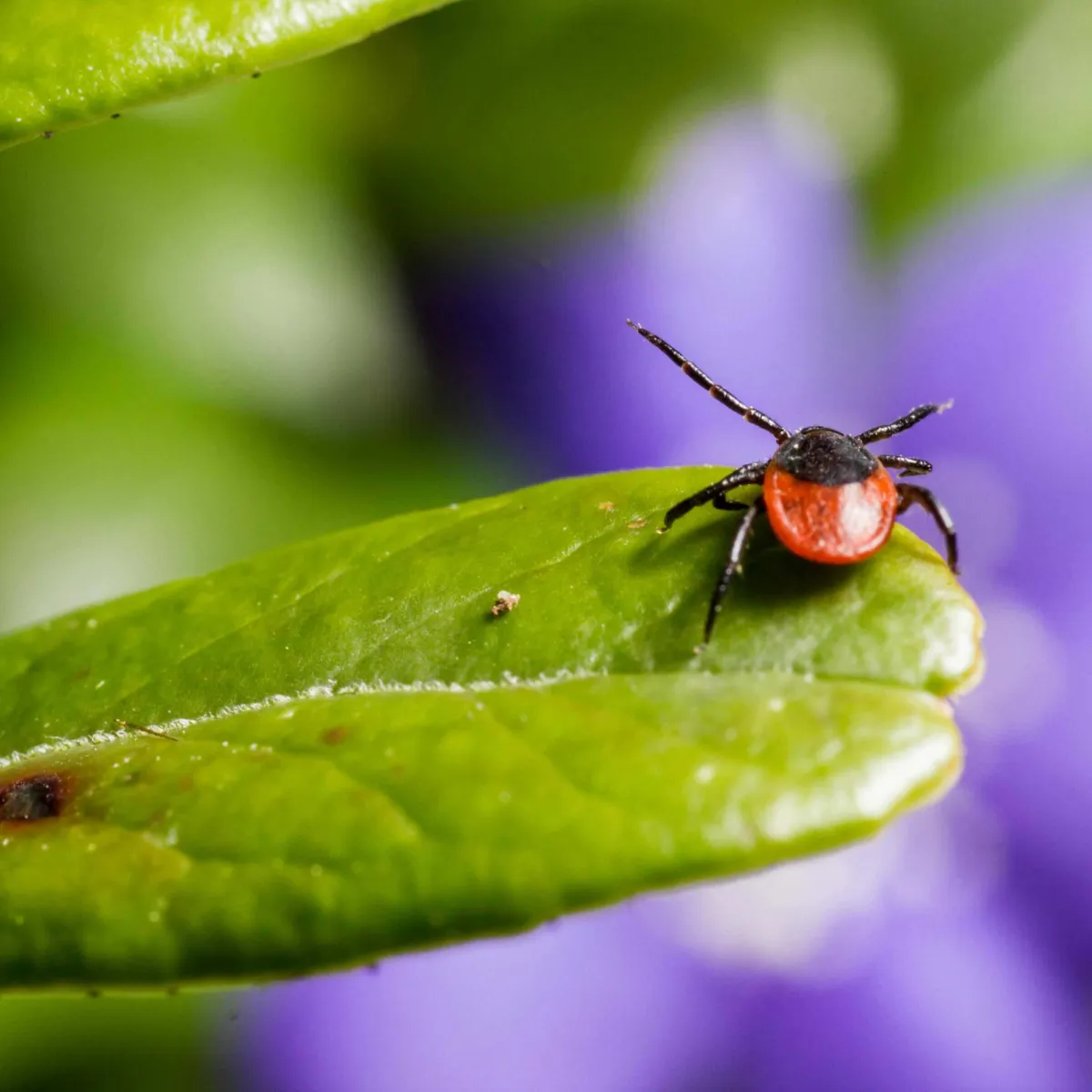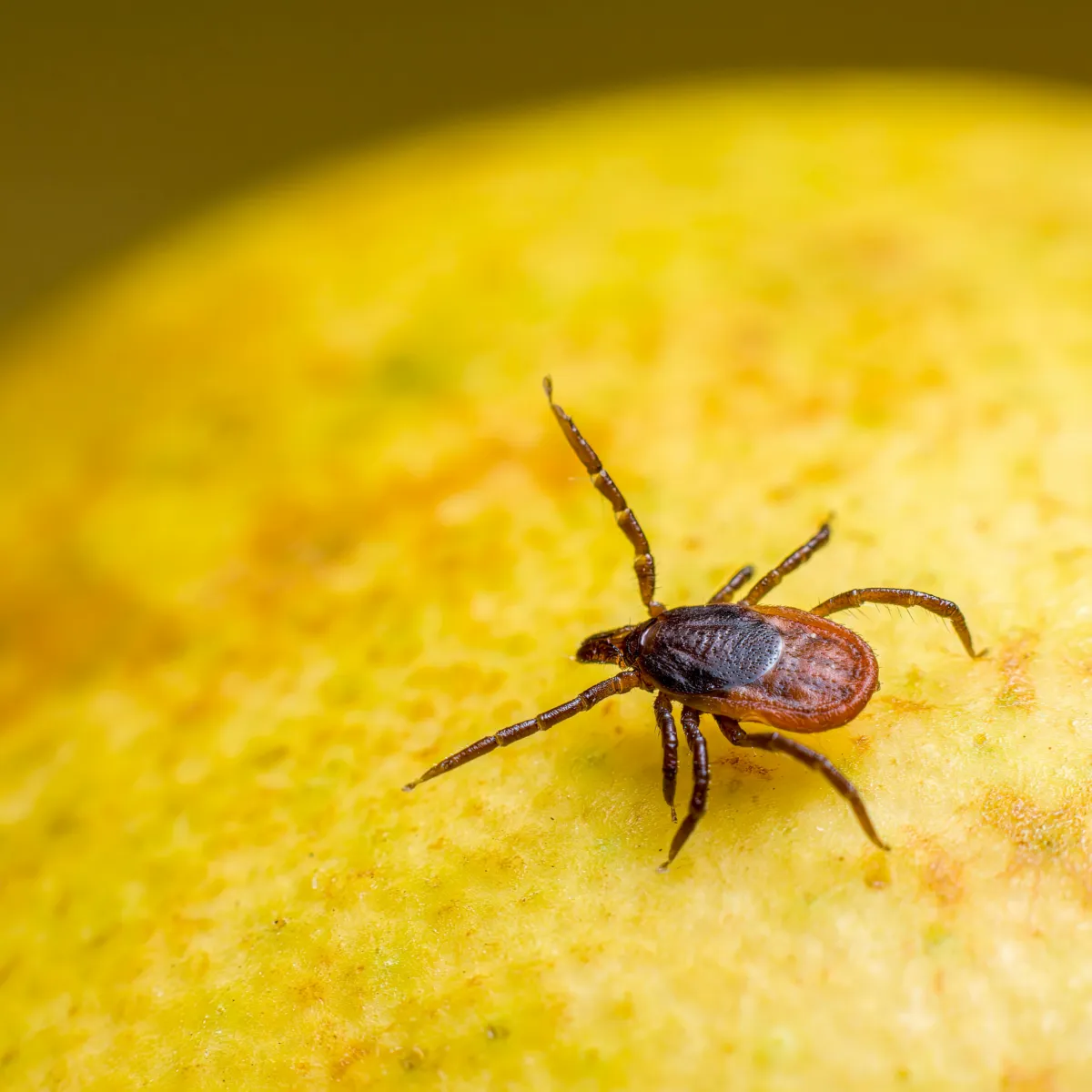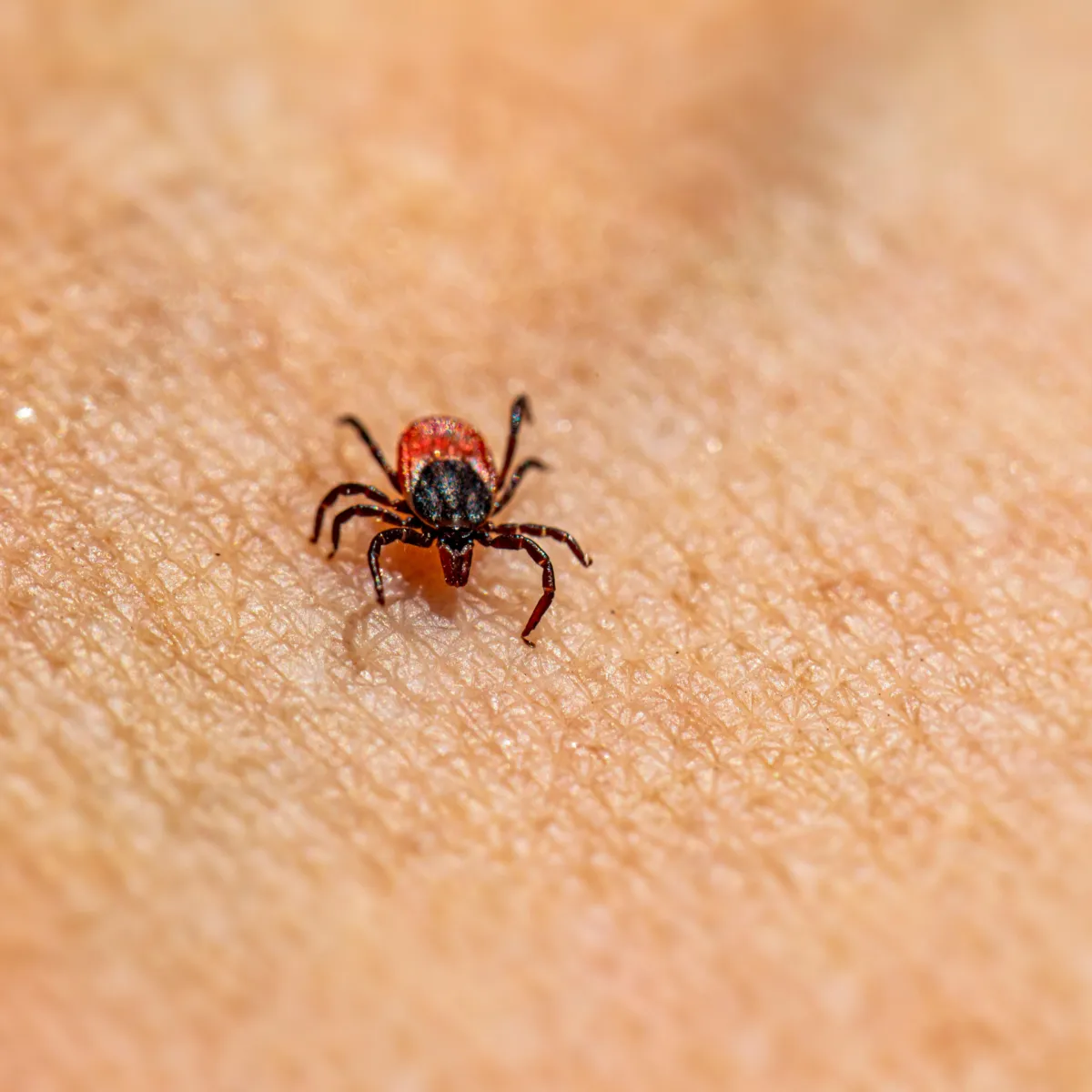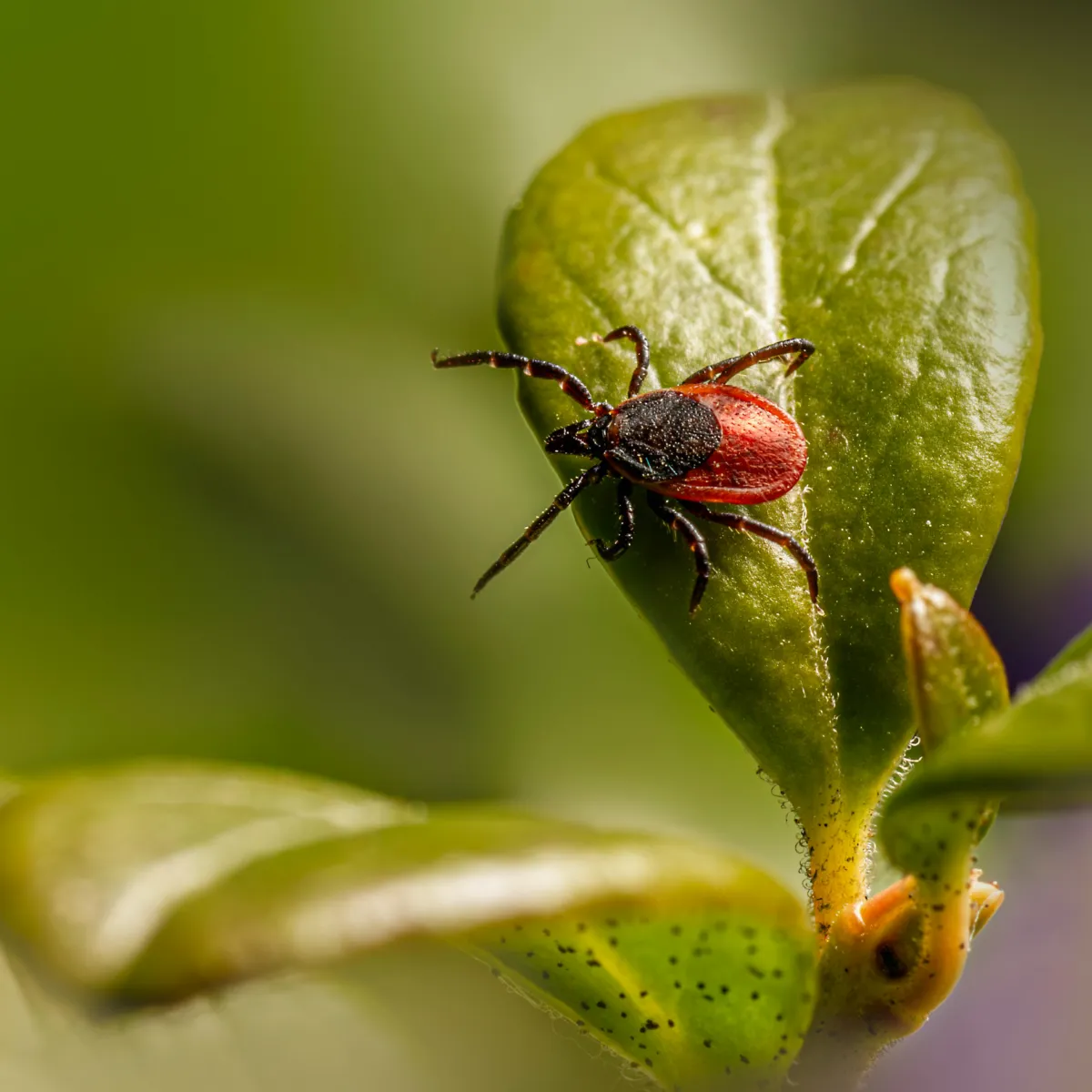
A yard does not need to look difficult to manage before a few protected sections begin making it feel that way.

Tick Control in Hills, MI

In Hills, many yards have sections that behave differently from one another without looking especially dramatic. The lawn in front may stay open and easy to manage, while the side of the property or the outer border behind the house holds more cover and more moisture than anyone notices right away. Those differences often matter more than homeowners expect because tick activity usually builds in the quieter sections first.

NexGreen provides tick control in Hills, MI by focusing on the places where the property is most likely to keep the issue alive. That means looking closely at how the yard grows, how it dries, and how it is used every day. A bed line beside the patio, a shaded strip near a fence, or the edge of a pet route may be doing far more behind the problem than the rest of the lawn.

Once those trouble areas are identified and treated, the whole property tends to feel more predictable. That shift matters because the most frustrating part of a tick issue is usually not one isolated sighting. It is the way the same yard starts feeling less comfortable for normal use.

Get ready for summer with our limited time offer!

Enjoy your yard this summer by treating mosquitos early in the season. Schedule your service today!

Only $39.95 for your first service

Get A Quote

Some sections of a property quietly act like repeat source areas while everything around them appears completely manageable.

Professional Tick Control Services in Hills, MI

Most yards are uneven in the ways that matter most. One area gets more airflow, more sun, and less trapped moisture, while another holds onto the exact opposite. In Hills, that often means the problem settles into bed edges, slower-drying corners, border strips, or the parts of the property that sit close to rougher growth or dense planting.

NexGreen starts by identifying where those differences are showing up. We look at shade patterns, heavier ground cover, drainage, and the sections where pets and people move most often. That gives a clearer picture of where activity is likely holding and how it can spread from there into more visible spaces.

Treatment is then directed both at the likely source areas and at the outdoor spaces homeowners use most. That can include patios, play areas, lawn sections, pet zones, walkways, and the transition areas that link those spaces to the rest of the property. The result is a plan tied to how the yard actually works rather than a generic pattern applied across the whole lawn.

A good treatment plan should move from the quiet source areas toward the spaces where the household feels the problem most.

Our Tick Control Process

Inspect the Property

We begin by evaluating how the yard behaves across different sections. We look at where shade lingers, where the ground stays damp, where cover is thickest, and which routes get the most regular use from pets and people.

Treat Tick-Prone Areas

Treatment is then focused on the sections most likely to support repeat activity. That can include bed edges, borders, damp corners, side-yard strips, fence lines, and rough transitions that stay more protected than the open lawn.

Create a Protective Barrier

After the high-pressure zones are treated, we extend coverage toward the spaces that are part of everyday use. That includes lawns, walkways, patios, pet areas, and other outdoor spots tied closely to normal routine.

Continue Protection

As yard conditions change through the season, continued service helps keep familiar source areas from rebuilding. This makes the property easier to manage over time and helps prevent the same concerns from returning in the same places.

What turns a hidden yard issue into a real one is when it starts interfering with the parts of the property people count on every day.

Why Tick Control Matters in Hills, MI?

Tick activity changes how the yard is used long before most people would call it a major problem. A dog comes back through the gate with one. A person notices one after walking through the same side section again. The same outer edge of the lawn begins feeling like the part no one really wants to spend time near. That is often how the issue starts becoming part of daily life.

In Hills, that kind of pressure can build on properties that otherwise seem easy to manage. A few pockets of shade, some thicker borders, and a little extra moisture can be enough to keep certain sections favorable. The entire property does not need to be difficult. It only takes a few places working the wrong way over and over.

That is why treatment matters. It helps reduce the conditions that let the issue keep repeating instead of leaving the household to keep reacting to the next sighting. Once the source areas are addressed, the property often starts feeling much more straightforward to use again.

The sections most likely to hold activity are usually the ones where the ground stays protected after everything else looks like it has already dried out.

Where Ticks Hide Around Your Yard?

Ticks usually stay where the ground remains cooler and more covered. Around a home, that often means perimeter grass that grows thicker than the rest of the lawn, mulch-heavy bed edges, the backs of shrub rows, and any transition where maintained turf starts giving way to rougher vegetation. These sections are often more important than their size would suggest.

The smaller protected areas can matter just as much. A narrow strip beside the garage, the back edge of a retaining wall, the space behind a fence line, or the ground near an outbuilding may all stay more sheltered than nearby turf. If they hold moisture and cover, they can act as reliable hiding spots.

Pets often make those same spaces more important because they use them often. A dog that runs the same path along a border or between structures can keep moving close to the exact sections where activity tends to hold. That is why the hidden problem is often closer to routine yard use than it first appears.

The biggest improvement is often not what homeowners see first, but how much less they have to think about the yard afterward.

Tick Prevention for Families and Pets

Families and pets use the yard naturally, which is exactly why hidden activity matters so much. Dogs move through the same side strips, borders, and shaded edges every day. Children cross the lawn, play near outdoor spaces, and move close to the same transitions where the problem often starts. That overlap is what turns a hidden yard issue into something much more practical and much more frustrating.

NexGreen helps reduce that pressure by focusing not only on the outer problem sections, but also on the spaces connected to regular outdoor life. That means the lawn, the pet route, the patio edge, and the path between one part of the yard and another all get treated with real use in mind. The property feels less uncertain when those areas stop sitting so close to the problem.

As weather changes, the same property can shift from open and manageable to protected and favorable in a matter of weeks.

Seasonal Tick Control in Hills, MI

Spring

Spring often brings the first noticeable shift because growth returns fast and the ground stays softer for longer. Borders, bed lines, and shady outer strips usually become more favorable first as new cover builds close to the soil.

Summer

Summer can make the yard feel uneven. The exposed lawn may dry quickly, but the cooler parts of the property often do not. Side strips, rough edges, and the bases of heavier plantings can stay much more protected than the lawn around them.

Fall

Fall can keep the same issue alive in a different way. Leaves gather, sunlight changes, and some of the same hidden sections that were a problem earlier in the year remain favorable because they keep trapping cover and moisture.

Rain / Moisture

Rain usually reveals which sections matter most. If one edge or corner always stays wetter than the rest, that area is often one of the main drivers behind repeat activity. Those differences are rarely random.

A treatment plan works best when it reflects the yard's real trouble spots instead of treating the property like a single uniform surface.

Why Choose NexGreen for Tick Control in Hills, MI?

NexGreen stands out for tick control in Hills because the service is tied directly to the way the property behaves. We look at where the problem is most likely starting, which sections stay favorable, and which outdoor spaces are most affected by those hidden source areas. That makes the work far more focused than a broad, generic yard treatment.

Most homeowners are not looking for guesswork. They want a service that recognizes why one section of the yard keeps causing concern while the rest appears manageable. NexGreen brings that kind of property-specific attention, which helps make the service more practical and more useful over time.

Simple yard upkeep can help lower pressure, especially when it reduces the same conditions that keep hidden sections active.

Tick Prevention Tips

Keep grass trimmed evenly, especially along the outer parts of the property where cover tends to build first. Remove leaves, loose debris, and extra plant litter from fence lines, border strips, and bed edges that stay shaded longer than the rest of the lawn.

It also helps to notice which parts of the yard stay damp after rainfall and which pet routes keep running close to thicker cover. Those patterns usually point to the sections that deserve the most attention. Even small areas can have a big effect if they keep behaving the same way.

A focused treatment can be the most practical choice when one section of the property is clearly doing most of the work behind the problem.

One-Time Tick Treatments

A one-time treatment can be a smart option when the concern is centered in one specific area. That could be a shady side strip, a bed edge by the patio, a low patch near a border, or a pet route beside a thicker edge. In those cases, a focused visit can help bring direct relief where the problem feels most immediate.

For some properties, that level of treatment is enough to improve the way the yard feels. For others, it helps show whether the issue is truly local or whether the yard has broader conditions that are likely to keep producing the same problem later on.

If the same conditions keep returning, it usually makes more sense to stay ahead of them than to keep waiting for the yard to create the same issue again.

Recurring Tick Control

Recurring service is often the better fit for yards where the same protected sections stay favorable through the season. If the same bed edges, damp strips, and shaded borders keep rebuilding pressure, regular treatment helps keep those areas from turning into repeat source zones again.

That kind of consistency helps the property stay more manageable over time. Instead of improving briefly and then sliding back into the same routine of repeated concern, the yard stays under closer control as conditions shift.

Properties in the same broader area often share the same hidden yard patterns, even when their layouts look nothing alike.

Tick Control Near Hills, MI / Areas Served

NexGreen provides tick control in Hills and surrounding Waterford-area communities where many properties deal with mixed shade, rougher borders, slow-drying sections, and outdoor spaces that sit close to thicker cover. Those patterns tend to create the same kinds of source areas across very different-looking yards.

The most useful questions usually begin with the section of the property that keeps feeling like the one part of the yard nobody really trusts.

Tick Control FAQs

Get a Quote for Tick Control in Hills, MI

If ticks keep turning up around the yard, NexGreen can help identify the sections that are causing the problem and treat them directly. Schedule your tick control service or book a quote for your Hills property today.