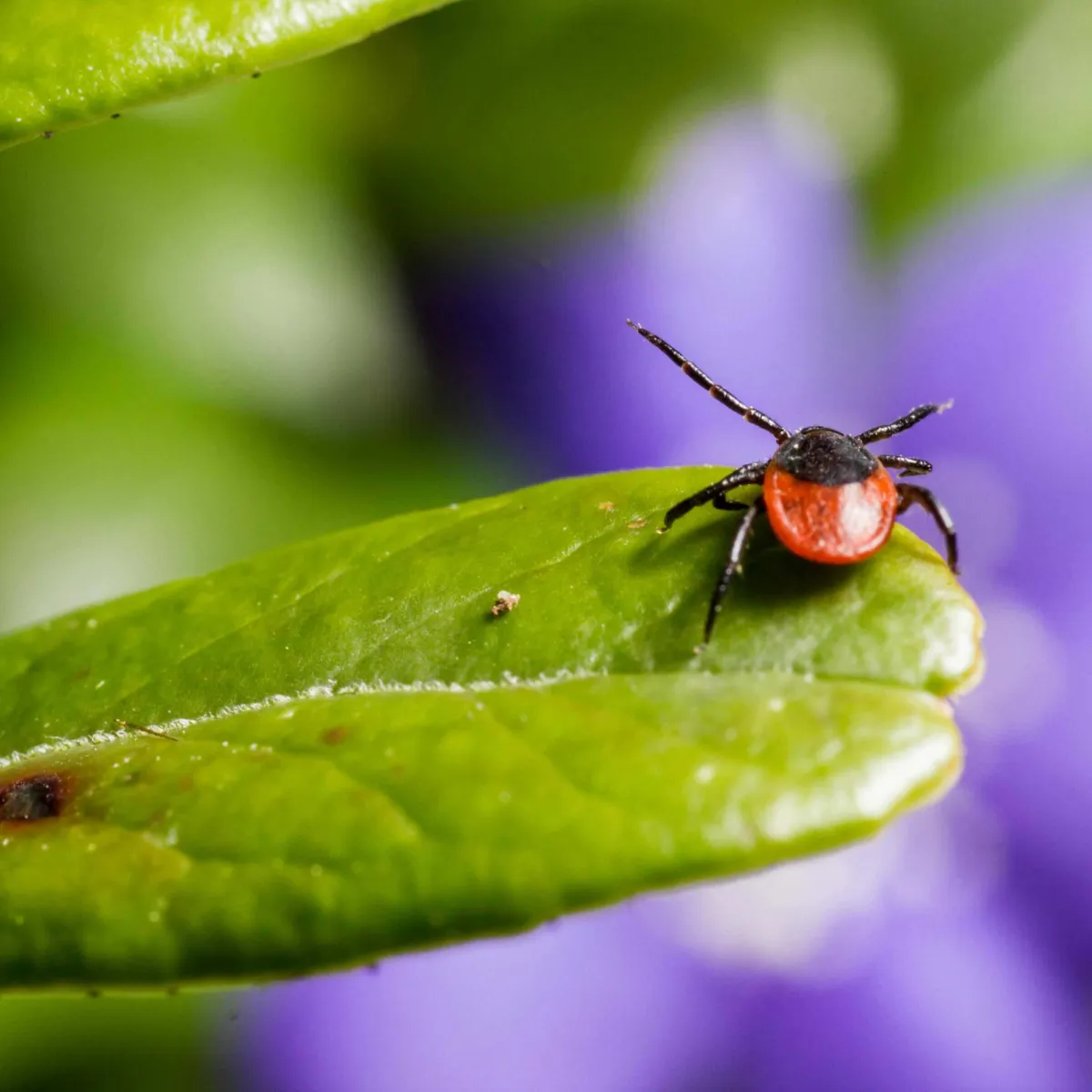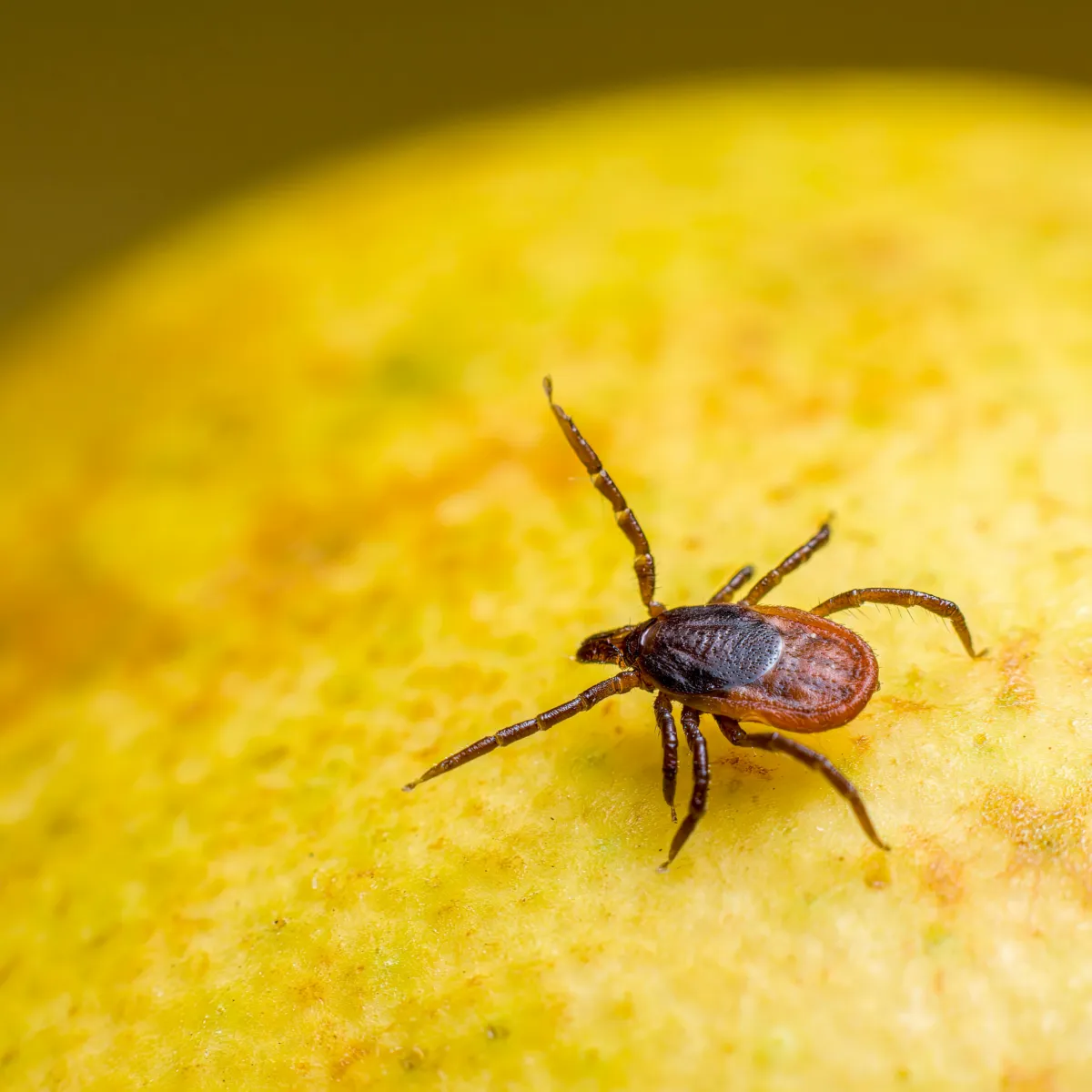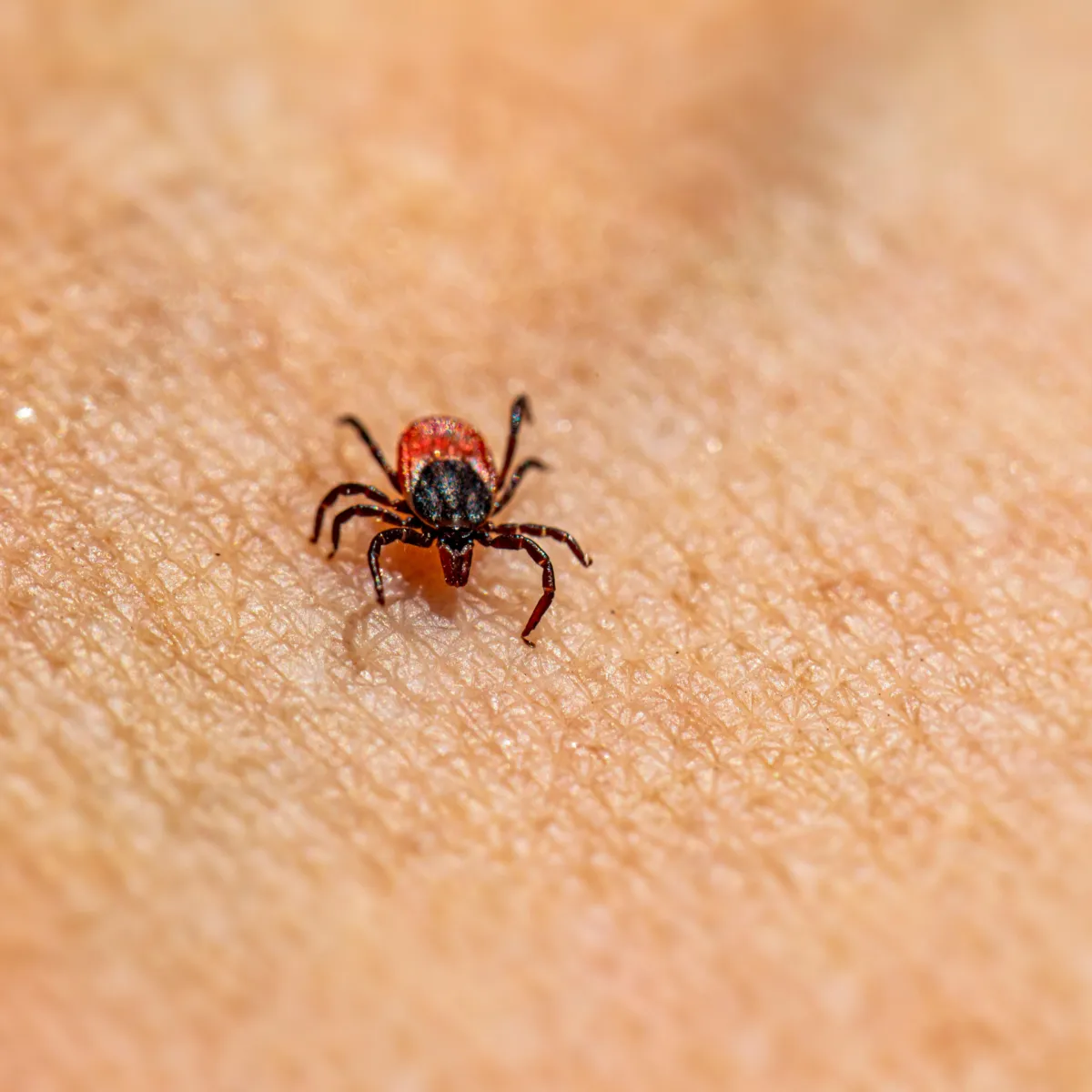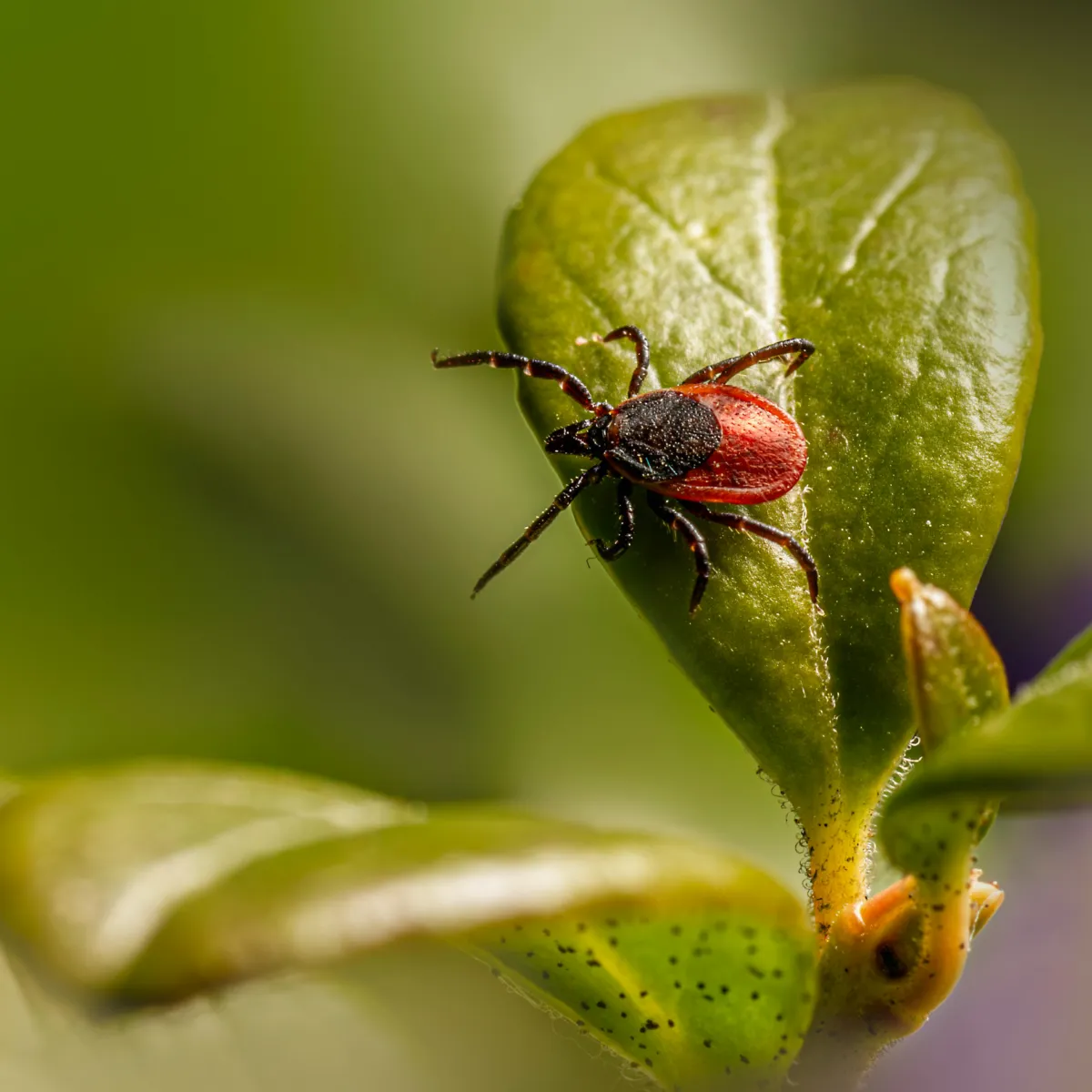
A beautiful yard can still have a few hidden sections that quietly keep creating the same problem.
In Bloomfield, many residential properties include mature landscaping, ornamental beds, shaded side sections, and outer edges that do not all respond to weather the same way. One area may stay open and dry, while another keeps more moisture and low cover close to the soil. That unevenness often explains why the issue begins in one part of the property and keeps returning there.
NexGreen provides tick control in Bloomfield, MI by focusing on the sections of the yard that stay most favorable instead of assuming the entire lawn needs the same response. The service is built around how the property actually behaves, from the bed lines near the house to the border strips near fences or denser planting. That keeps the work tied closely to the yard’s real pressure points.
Homeowners often first notice the problem through its effect on routine. A pet starts bringing concern closer to the house, one edge of the property becomes the section people think twice about, or the same route through the yard keeps coming up. Once those hidden source sections are treated directly, the rest of the property usually starts feeling far easier to enjoy again.
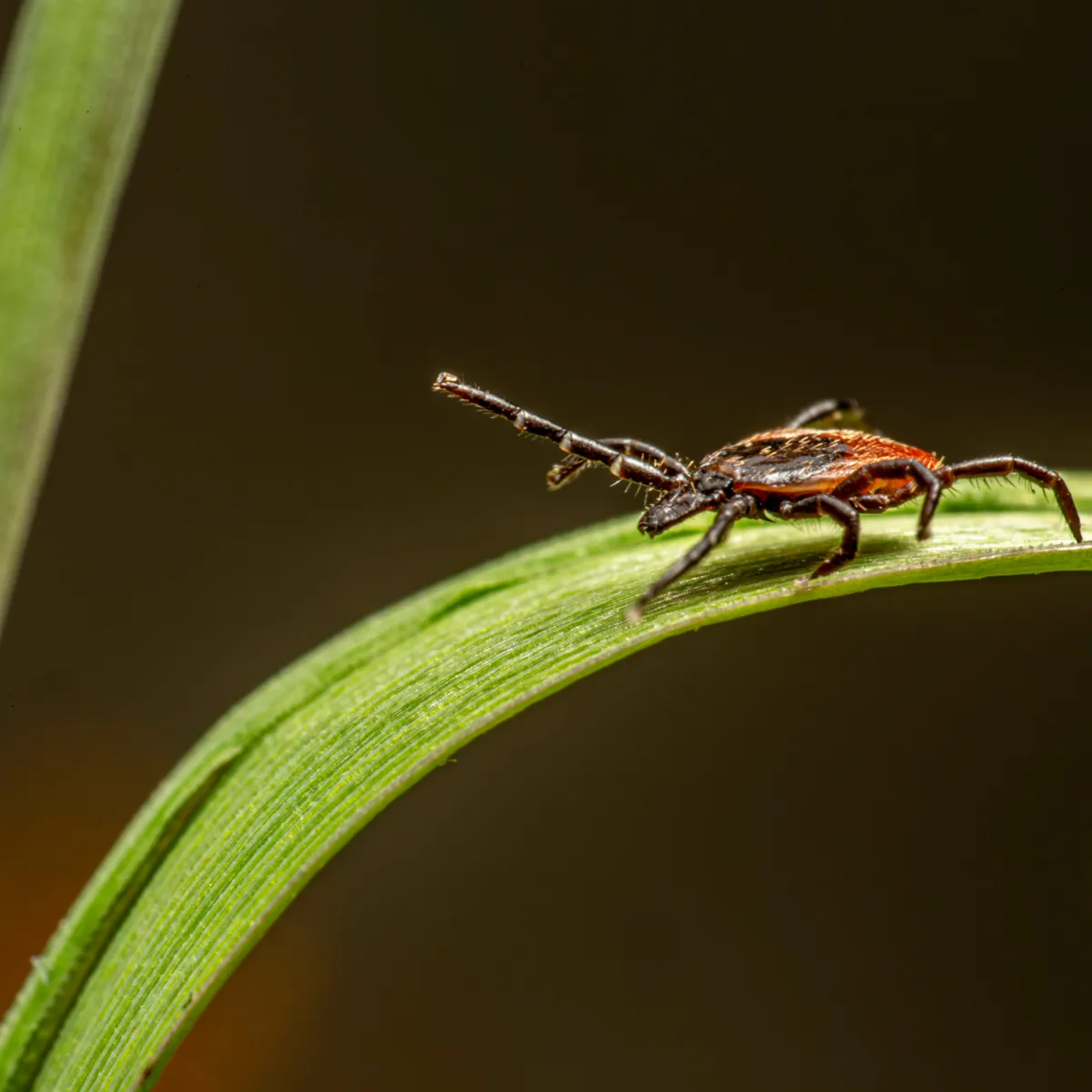
The part of the yard that keeps repeating the issue is usually the part that stays protected the longest.
Many Bloomfield properties have a layered landscape, and that layering creates differences that matter. A lawn area may get strong light and good airflow, while the section just beyond it stays shaded by shrubs, a privacy line, or heavier planting near the property edge. Those protected zones often do most of the work behind repeat activity because they stay favorable well after the open sections of the yard have changed.
That is why NexGreen begins with the way the property is functioning in real conditions. We look at cover near the ground, where moisture lingers, how plant density affects airflow, and how the household uses the outdoor space. Those details help identify which sections are most likely feeding the issue and which spaces around them are most likely to feel the effects.
Treatment is then applied where it can reduce the problem both at the source and in the places closest to routine use. That often means not just the hidden borders and bed edges, but also the lawns, patios, pet areas, and walkways that connect directly to them. The result is a more practical plan and a property that becomes easier to use with confidence.
The smartest plan treats the hidden holding zones before they keep feeding the same visible concern.
We begin by identifying how the property behaves from one section to another. Shade, ground cover, moisture retention, plant density, and everyday movement patterns all help reveal which parts of the yard are supporting repeat activity.
Treatment is applied to the sections most likely to stay favorable. This can include bed edges, perimeter strips, fence lines, damp low areas, and protected sections where the ground remains more covered than nearby turf.
After the likely source areas are addressed, coverage is extended around lawns, patios, walkways, pet zones, and other spaces most closely tied to regular outdoor use. That helps reduce the ways hidden pressure reaches the rest of the property.
Because the yard changes with rainfall, growth, and seasonal cover, continued service helps keep the same sections from rebuilding into the same repeat issue. That ongoing attention helps maintain a more manageable property through the season.
A hidden problem becomes a household problem once it starts shaping where people do and do not feel comfortable outside.
Tick control matters because it affects the way outdoor space gets used. The issue may begin in one protected area, but it rarely stays there in the minds of homeowners. Once the same lawn edge, patio border, or pet route keeps raising concern, the entire yard begins to feel a little less simple than it should.
In Bloomfield, that can happen on properties that are otherwise carefully maintained. A few sections with heavier cover, slower drying, or more consistent shade can keep the same issue alive without making the whole lawn look troubled. The problem usually is not how much of the yard is affected. It is how often the wrong part of the yard stays favorable.
That is why treatment helps so much. It shifts attention away from repeated reaction and back toward reducing the actual source. Once the problem sections are addressed, the rest of the property often starts feeling much more normal in day-to-day use.
The most persistent trouble spots are often the ones where the yard feels quiet, cool, and a little too protected.
Ticks usually hold in sections where the property offers shelter close to the ground. Around a home, that often means denser bed lines, perimeter grass, fence borders, leaf buildup under shrubs, and the transitions where well-kept lawn begins giving way to rougher or less-disturbed outer sections. These parts of the property often stay favorable much longer than open turf in the center.
Small hiding areas matter too. The ground beside a deck, behind a planting bed, under denser ornamentals, or along a retaining wall can all remain cooler and more covered than the lawn around them. Those sections may never look especially large, but they often do much more behind a repeat issue than homeowners realize.
Pets often make those same sections more important because of how they move through them. A repeated route along a border or behind a landscaped edge can bring hidden pressure close to the places the household uses most. That is why the issue often feels closer to normal routine than it first seems.
What changes most is often not the look of the yard, but the ease of using it without constant hesitation.
For families and pets, a tick issue matters because the yard is part of daily life. Children do not stop at the edge of a bed because cover is thicker there. Dogs do not avoid the side strip because it stays damp longer. The same hidden source areas that seem unimportant from a distance are often the ones closest to normal household routines.
NexGreen helps reduce that overlap by treating not only the source sections, but also the paths and spaces those source sections affect most directly. When the lawn, patio edge, pet route, and nearby border all receive the right attention together, the property feels more comfortable and more usable again.
The same property can behave like four different yards across four different parts of the season.
Spring usually brings the first shift because growth fills in quickly and the ground stays softer near protected edges. Bed lines, perimeter sections, and shadier parts of the property often become favorable before the open lawn does.
Summer often narrows the issue to the most sheltered parts of the yard. Open turf may dry quickly, but denser planting, cooler border strips, and more enclosed edges can continue holding the conditions ticks prefer.
Fall changes the problem by adding more cover. Leaves gather, sunlight shifts, and some of the same edges that were supportive earlier in the year remain protected well after the rest of the lawn starts feeling less active.
Rain often highlights the most important trouble spots. If a section holds moisture longer than the rest of the property, that section is often doing more behind the repeat issue than the open lawn surrounding it.
Good service comes from recognizing that the yard's problem areas rarely stay where they are easiest to see.
NexGreen is a strong choice for tick control in Bloomfield because the service is designed around the property’s actual layout and behavior. We focus on where cover stays thick, where moisture lingers, and which sections are most likely to keep reintroducing the problem into the areas the household uses every day. That makes the treatment feel much more connected to the way the property is really lived in.
Homeowners benefit from a plan that addresses the issue where it starts, not just where it becomes visible. By treating the source sections and the nearby outdoor spaces together, NexGreen helps create results that feel more practical and easier to maintain over time.
The best prevention work usually happens in the sections of the yard people think about the least.
Keep lawn growth under control, especially along the perimeter where low cover builds first. Remove leaf piles, loose yard debris, and extra buildup from bed edges, fence strips, and shaded sections where the ground tends to stay damp or sheltered longer than the rest of the property.
It also helps to notice what the yard does after rain and how pets move through it. If one border stays heavier, one strip remains wet longer, or one route keeps running close to thicker cover, that section usually deserves more attention than it first appears to.
When one trouble spot is carrying most of the burden, focused treatment there can make the biggest first difference.
A one-time treatment can be a practical choice when the issue is clearly tied to one section of the property. That may be a bed line near a patio, a fence strip along a pet route, a damp outer corner, or a side section that keeps raising the same concern.
For some homeowners, that direct response is enough to make the yard easier to use. For others, it becomes a useful first step before deciding whether the property has additional source areas that are likely to need more consistent treatment later in the season.
If the same sections keep rebuilding the same pressure, the strongest answer is often a plan that keeps returning before the problem does.
Recurring service is often the better option for properties where the same source sections stay favorable month after month. If the same borders, bed lines, and protected edges remain shaded, covered, and slower to dry, then the issue is likely to return unless those areas stay under regular attention.
That kind of steady service helps reduce the stop-and-start pattern that often comes with reactive treatment alone. For many homeowners, recurring service is what keeps the yard feeling more predictable through the season.
Yards can vary in size and style while still sharing the exact same kind of hidden source problem.
NexGreen provides tick control in Bloomfield and surrounding Waterford-area communities where many properties share similar features, including mixed shade, mature landscaping, denser bed lines, and outer yard sections that remain favorable longer than the rest of the lawn.
The most useful answer usually begins with the section of the yard that keeps becoming familiar for the wrong reasons.
If ticks keep showing up around the yard, NexGreen can help identify the sections that are supporting the issue and treat them directly. Book your tick control service or schedule a quote for your Bloomfield property today.