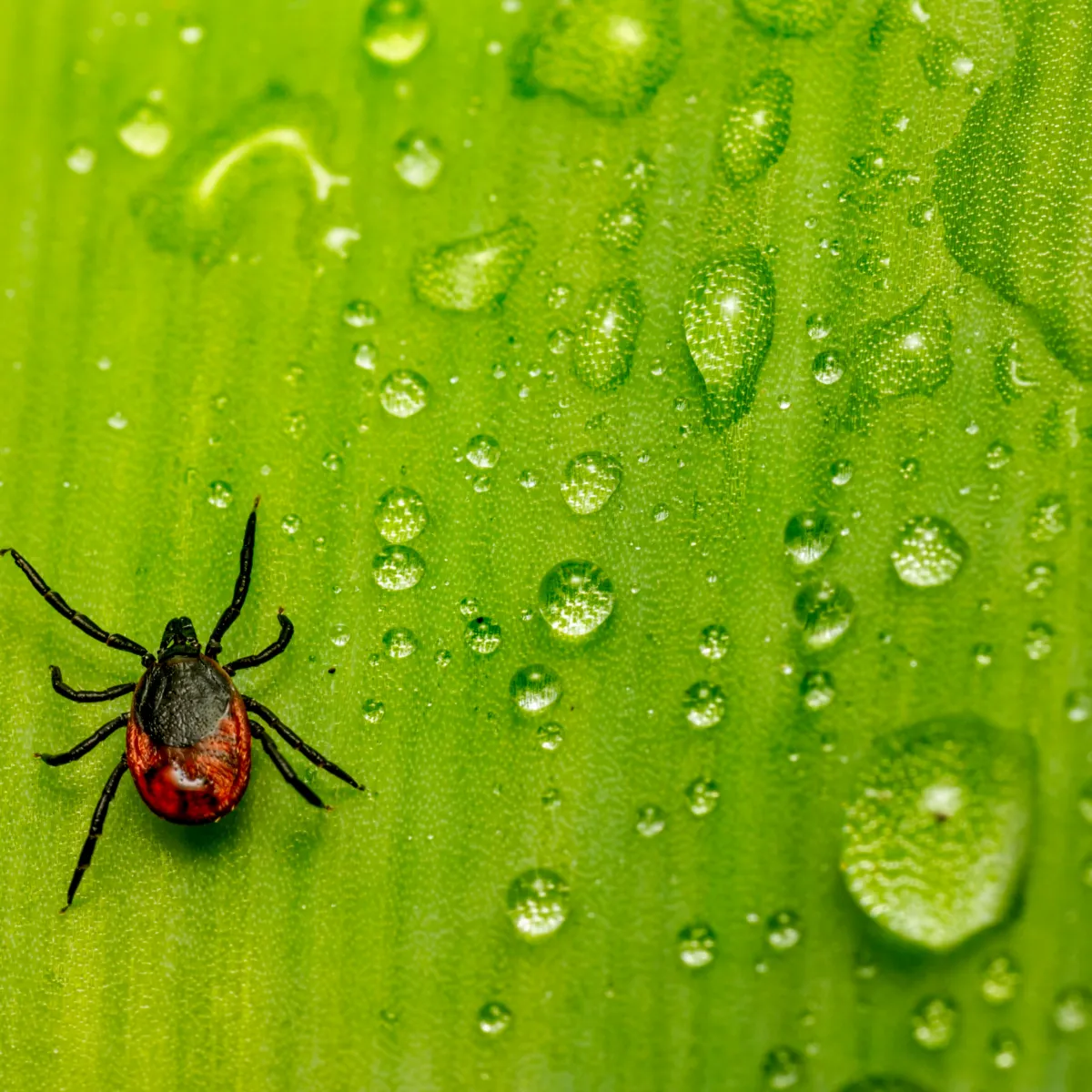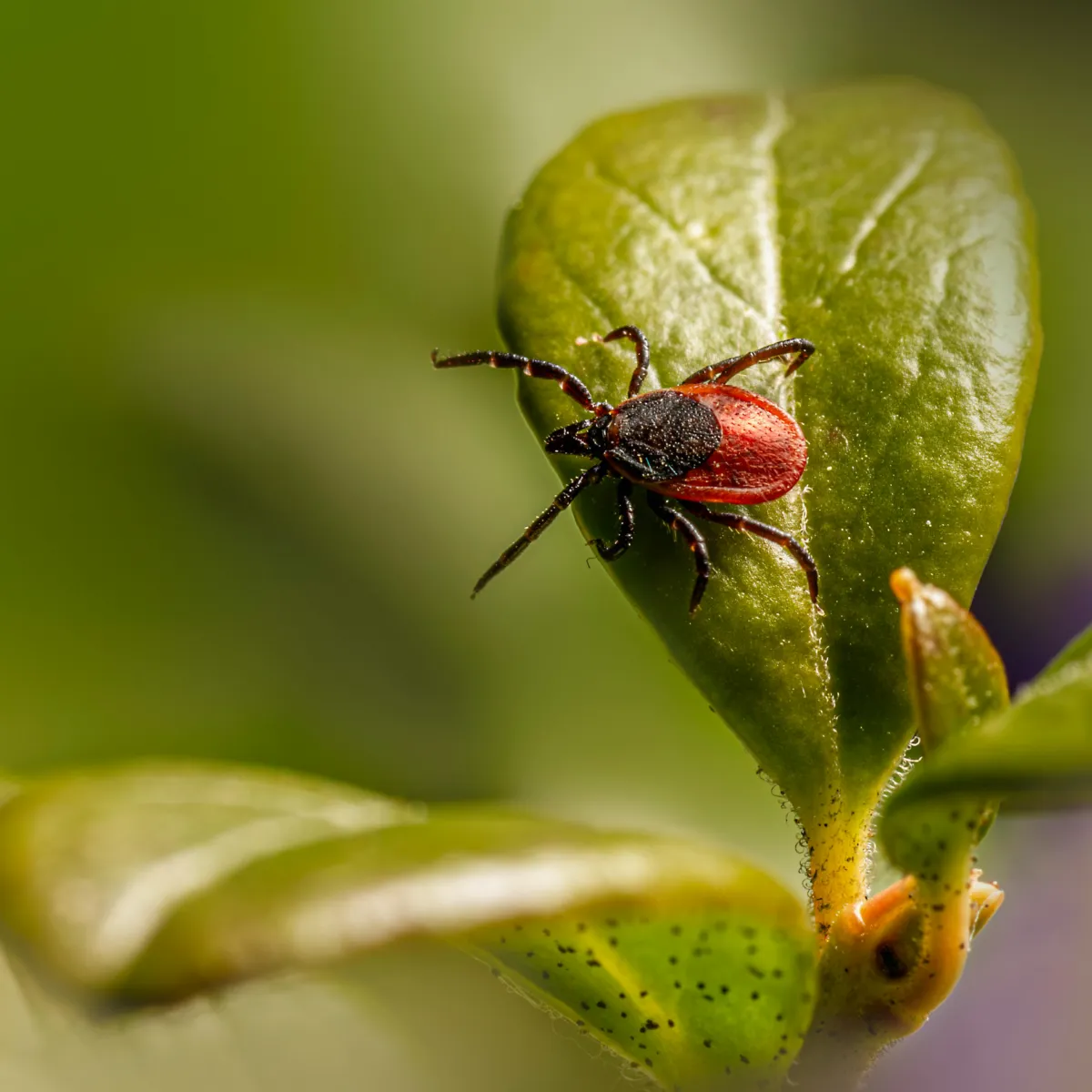
The Boating Capital of Michigan Has a Tick Season Too

Tick Control in St. Clair Shores, MI

St. Clair Shores is defined by its relationship with Lake St. Clair, the Nautical Mile, the canal neighborhoods, the marinas, the lakefront parks. That water-forward identity creates conditions that extend well beyond boating season. Lake proximity sustains elevated humidity and dense vegetation throughout the city’s canal system and shoreline parks, and those conditions support the wildlife and plant life that blacklegged ticks depend on. Macomb County Health Department surveillance has confirmed established tick populations in the county, with Lyme-positive samples collected locally in 2021, 2022, and 2023.

For St. Clair Shores residents who spend significant time in yards, on decks, near the canals, and in lakefront parks, tick exposure is a seasonal reality, not a remote possibility.

NexGreen provides professional tick control in St. Clair Shores with targeted yard treatment built around the specific conditions of waterfront, canal-adjacent, and inland residential properties across the city.

Get ready for summer with our limited time offer!

Enjoy your yard this summer by treating mosquitos early in the season. Schedule your service today!

Only $39.95 for your first service

Get A Quote

Different Property Types, One Consistent Approach

Professional Tick Control Services in St. Clair Shores, MI

NexGreen’s tick control service begins with a property assessment tailored to St. Clair Shores’ varied residential landscape. Canal-adjacent properties carry distinct pressure from the vegetation along seawalls and waterway margins, while inland neighborhoods share the established landscaping and small-wildlife conditions of the broader southern Macomb County residential grid. The inspection identifies the shaded zones, dense plantings, moisture-retaining areas, and transition points between maintained lawn and canal-side or naturalized vegetation where ticks are most likely to concentrate. Targeted treatment is applied to those zones, with a protective barrier established along lawn edges, the foundation perimeter, fence lines, shrubs, deck structures, and the outdoor areas where families and pets spend time. Recurring service keeps protection active through St. Clair Shores’ full tick season.

A Process That Accounts for Waterfront and Inland Conditions

Our Tick Control Process

Inspect the Property

We assess the yard and its specific conditions, waterfront, canal-adjacent, or inland, noting shade patterns, moisture zones, vegetation type, wildlife corridors, and how the property connects to the canal system, public green space, or neighboring lots.

Treat Tick-Prone Areas

Targeted treatment is applied to the specific zones where ticks concentrate rather than broadcast across the full lawn. For canal properties, this includes waterway-edge vegetation and shaded canal-facing areas. For inland properties, focus shifts to shaded borders, dense plantings, and fence lines.

Establish a Protective Barrier

A treated boundary is created between tick habitat and the outdoor areas families and pets actually use, lawn edges, foundation perimeter, deck structures, fence lines, shrubs, play areas, pet runs, patios, and outdoor dining zones.

Maintain Protection Through the Season

Wildlife traffic from the canal system and neighboring properties continues to introduce ticks throughout the active season. Recurring service maintains the barrier and keeps activity from rebuilding between visits.

Lake Proximity Creates Conditions That Sustain Tick Activity

Why Tick Control Matters in St. Clair Shores

Lake St. Clair and the canal system create a consistently moist, vegetated environment throughout St. Clair Shores that does more than support a boating culture, it sustains the insects, small wildlife, and dense ground cover that ticks depend on. Canal-adjacent properties have naturalized vegetation along the waterway edges that rarely gets fully managed, creating reliable tick habitat close to waterfront entertaining areas and docks. Waterfowl, muskrats, and other wildlife that use the canals and lakefront areas can carry ticks into adjacent yards.

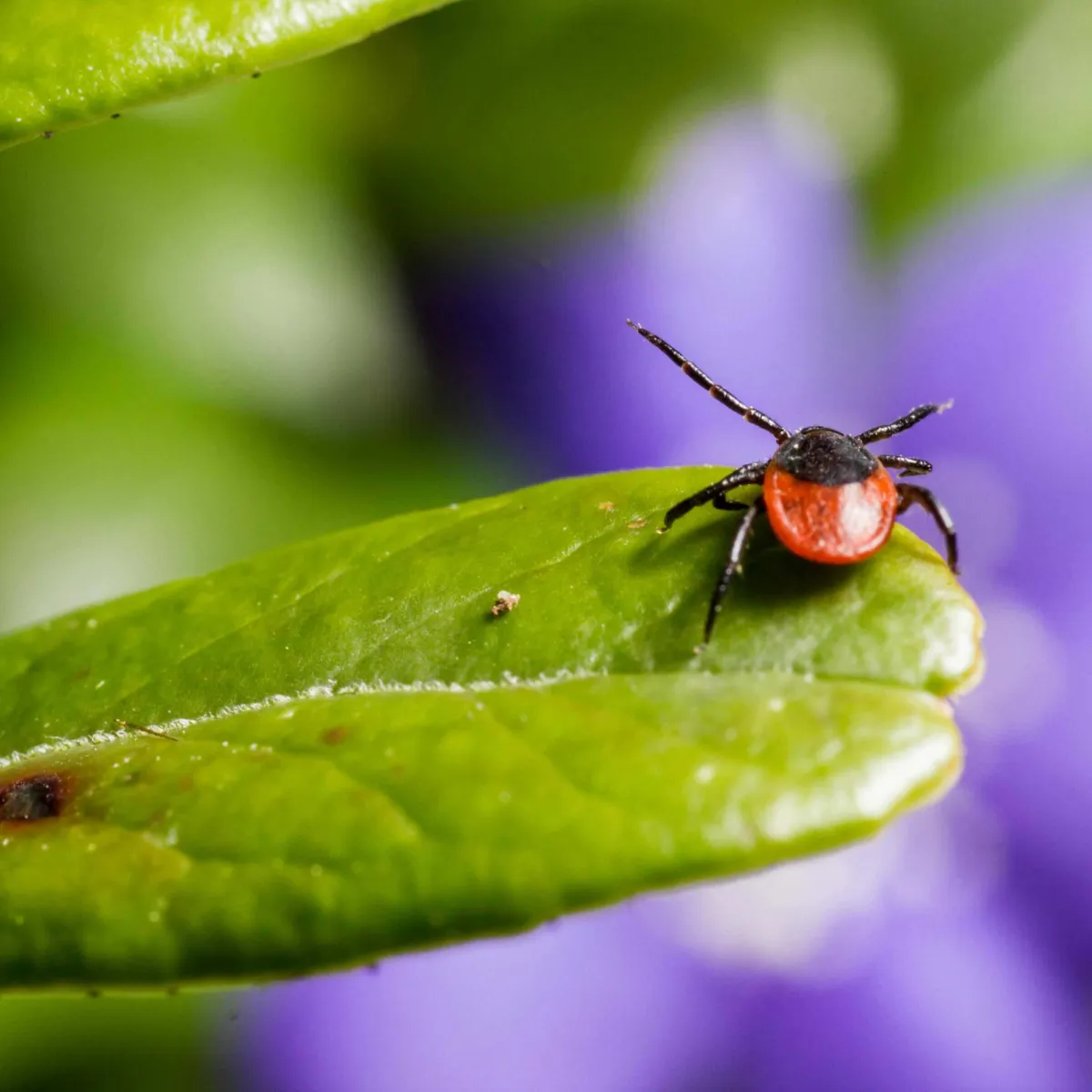
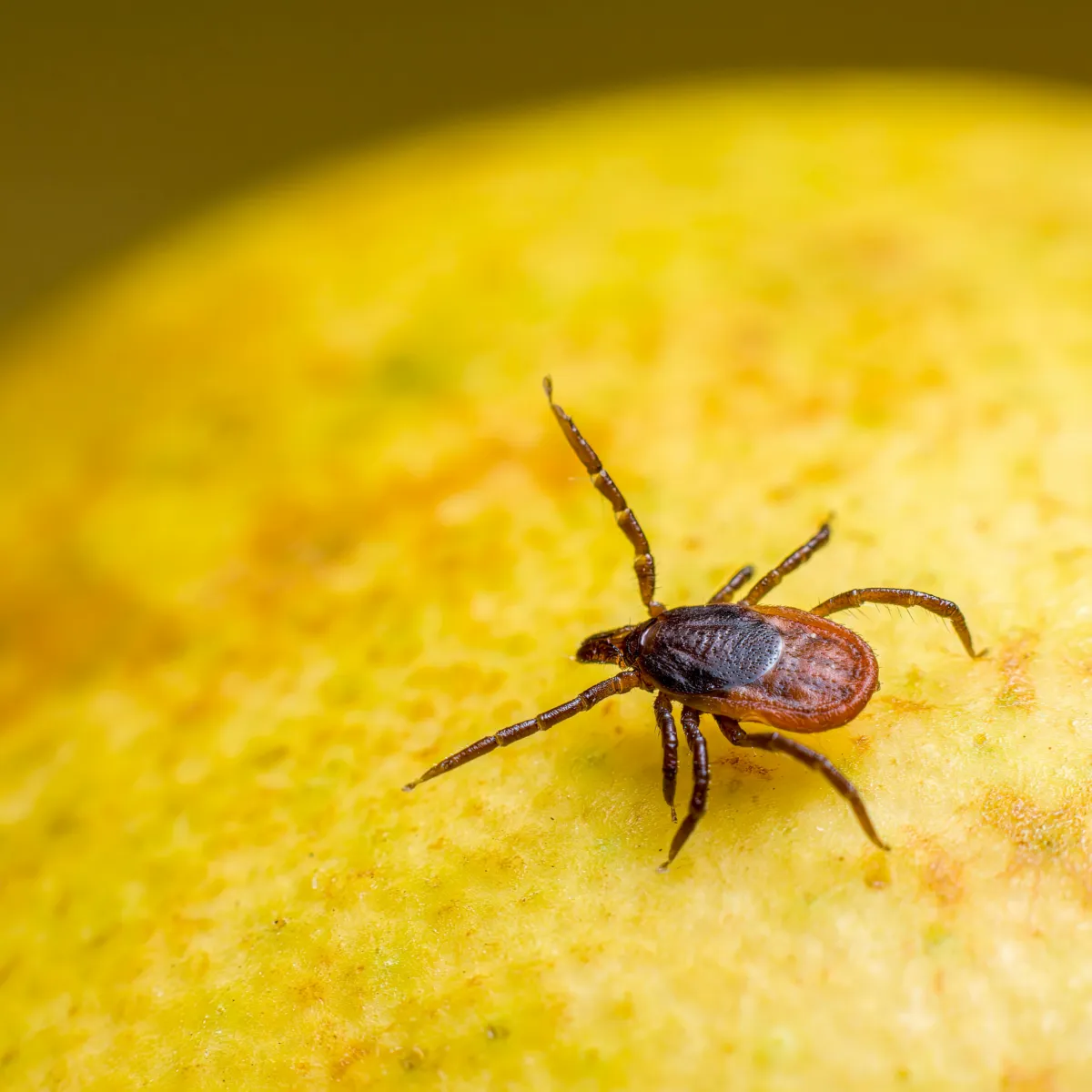
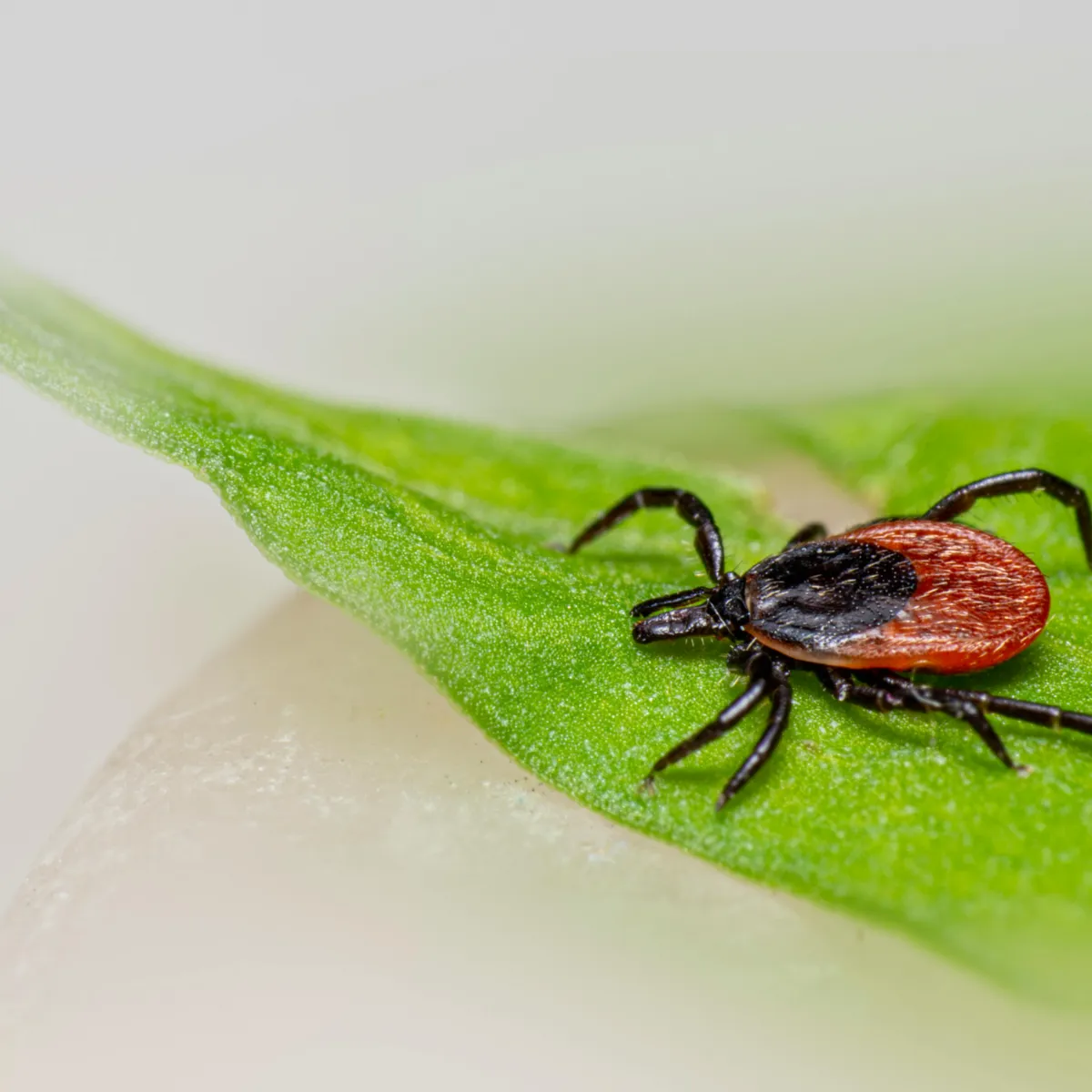
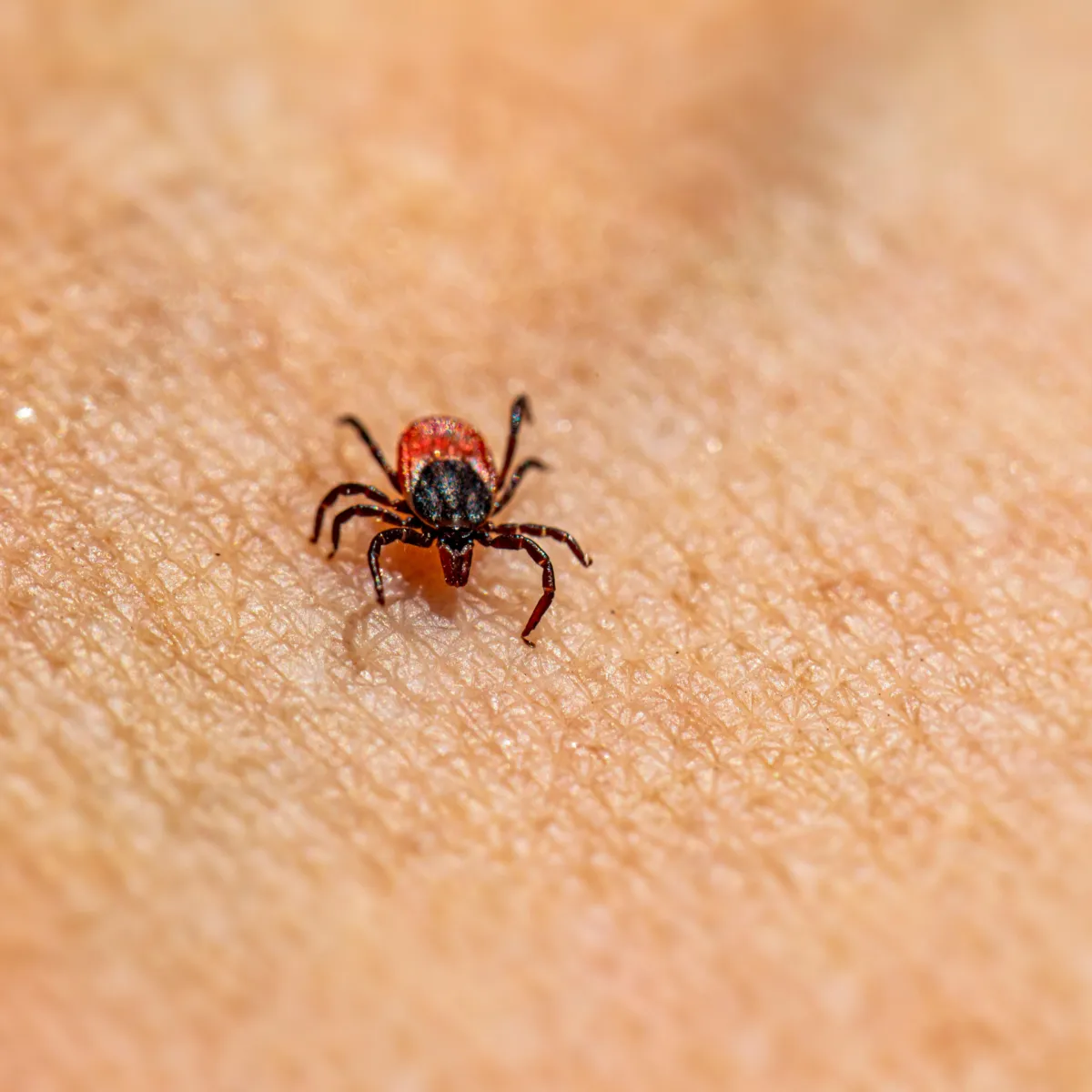
Inland, the conditions shift to the urban residential pattern: small mammals, rabbits, squirrels, and mice, sustain tick populations in established yards without requiring waterway proximity. The Macomb County Health Department has confirmed this broad-based county presence, with blacklegged tick Lyme-positive results from locally collected samples across 2021, 2022, and 2023. Tick nymphs at their most active life stage are approximately the size of a poppy seed, making detection before a bite essentially impossible without deliberate effort.

St. Clair Shores’ lakefront parks, Veterans Memorial Park, Blossom Heath Park, and the public shoreline areas, also represent tick exposure points for residents who walk, jog, or take pets through those shaded, vegetated green spaces adjacent to the water. The tick pressure in the city connects across private yards, canal margins, and public parks in a way that makes professional yard treatment a meaningful part of household protection.

Canal Properties and Inland Yards Have Different Hotspot Patterns

Where Ticks Concentrate in St. Clair Shores

In canal-adjacent yards, the primary tick zones are the naturalized vegetation and ground cover along the seawall or waterway margin, shaded areas under dock structures or along fence lines bordering the canal, and any transition zone between maintained turf and unmaintained waterway-edge vegetation. Wildlife that uses the canals deposits ticks in those zones regularly.

In inland St. Clair Shores yards, the hotspot pattern is more typical of established suburban properties: shaded lawn edges and unmowed borders along fences and foundations, dense foundation plantings with thick mulch or ground cover, leaf accumulations in corners near sheds, low-lying areas that hold moisture after rain, and any areas where rabbits, squirrels, or other small wildlife move through regularly. Play equipment near shaded borders and pet zones along fence lines are common exposure points across both property types.

Waterfront Living and Outdoor Entertaining Deserve Tick-Free Spaces

Tick Prevention for St. Clair Shores Families and Pets

St. Clair Shores residents invest in outdoor living, decks, patios, outdoor kitchens, lakefront entertaining areas, and time on the water. Those spaces are also where tick exposure risk is most meaningful, because they are where families and pets actually spend time. Dogs off the dock or running along canal-facing yard borders can pick up ticks from naturalized edge vegetation. Children playing near lakefront lawn areas or on equipment near the canal are in a zone where tick contact is plausible.

Professional yard treatment reduces tick populations in those areas, making decks, patios, play zones, pet runs, gardens, and lawn spaces safer and more comfortable for the outdoor-forward lifestyle that St. Clair Shores residents expect. Reducing tick pressure in the yard does not eliminate all possible risk, but it meaningfully lowers exposure for everyone who uses those outdoor spaces through the active season.

Spring Through Fall on the Shores of Lake St. Clair

Seasonal Tick Control in St. Clair Shores

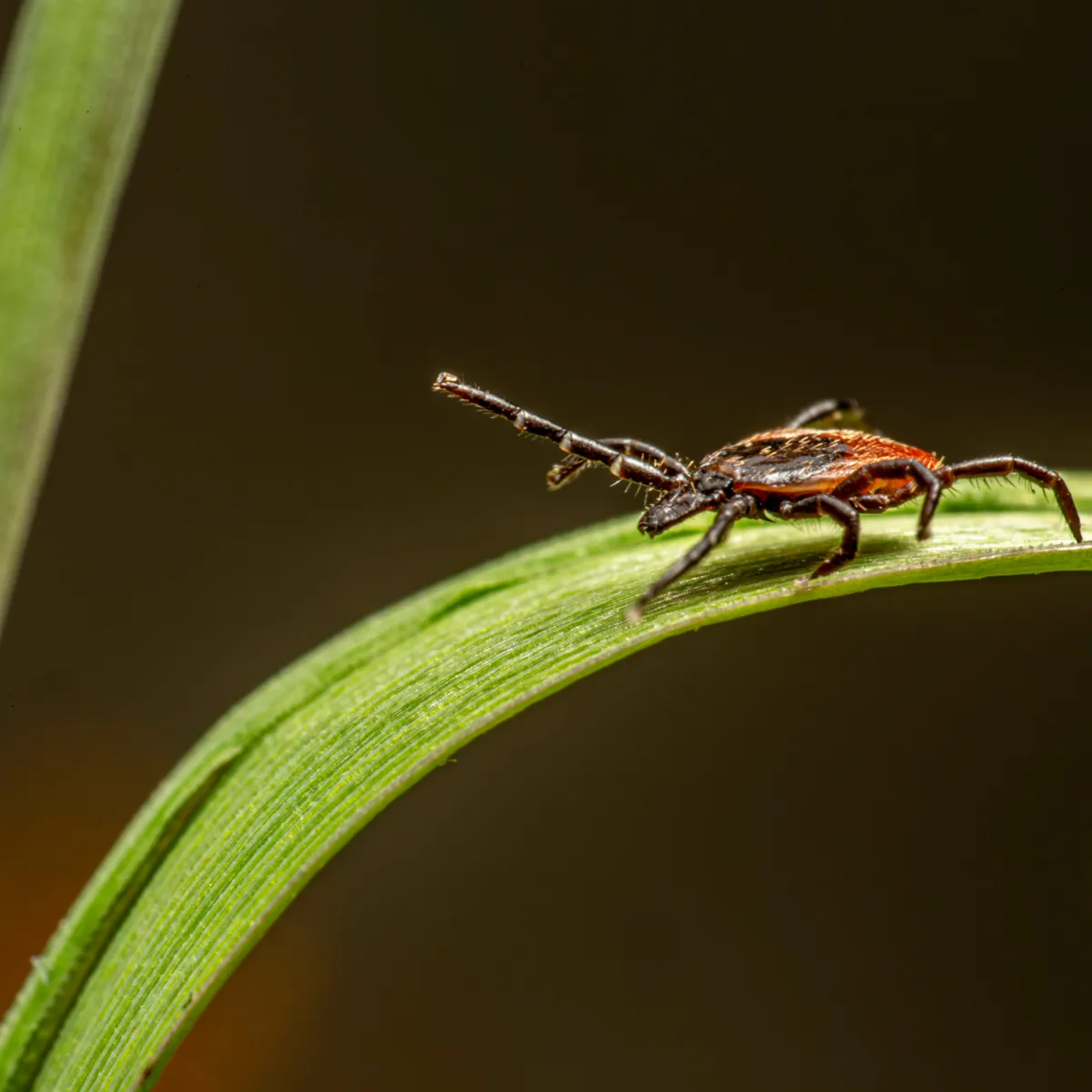
Tick season in St. Clair Shores follows Macomb County’s documented arc but is influenced by the lake’s effect on local temperature and humidity. Spring nymph emergence begins in April as sustained warmth and moisture create the soil conditions ticks need. Getting a barrier in place early, before the outdoor entertaining season gets underway, prevents tick populations from building before families begin spending serious time outside.

Summer is when Lake St. Clair living peaks. Outdoor activity is most intense, pets are on the water and in the yard daily, and tick questing behavior is at its highest in shaded borders and canal-edge vegetation. Maintaining treatment through the summer months is the most important sustained window for St. Clair Shores families.

Fall brings a transition that catches many residents off guard. Outdoor entertaining continues well into October in St. Clair Shores, the weather that makes the Nautical Mile enjoyable also keeps adult blacklegged ticks active in shaded yard zones. Carrying tick control service through fall ensures that the outdoor spaces residents use into autumn stay protected through the close of the active season.

Built for a Community That Lives Outdoors

Why Choose NexGreen for Tick Control in St. Clair Shores?

NexGreen brings locally trained technicians who understand the specific conditions of Macomb County’s waterfront communities, licensed and insured service registered with the Department of Agriculture, and a reduced-chemical approach that is safer for children and pets. The service is built around recurring visits that maintain protection rather than a single application that fades before the season ends. No long-term contracts, transparent pricing, and a money-back guarantee back every service. With a 4.9/5 rating across more than 1,925 reviews, NexGreen’s approach reflects what it takes to produce reliable results for residential properties in a community where outdoor living is a priority.

Habits That Extend Protection Between Visits

Tick Prevention Tips for St. Clair Shores Homeowners

Managing the naturalized vegetation along seawalls and canal-facing fence lines reduces the primary tick zone on waterfront properties. For all St. Clair Shores yards, keeping grass mowed and trimming lawn edges removes the low vegetation ticks use along borders. Pulling mulch back from the foundation and clearing leaf accumulations eliminates sheltered tick habitat. Checking pets after time in the yard, near the canal, or in lakefront parks limits how often ticks are transported back toward the home. Keeping outdoor entertaining areas clear of accumulated debris and trimming shaded corners under decks and patio structures removes the protected zones that tick activity builds up in during the season.

A Starting Point for New Properties or Specific Situations

One-Time Tick Treatments

A targeted one-time treatment is a practical starting point for St. Clair Shores homeowners dealing with a specific situation, a newly purchased property near the canal, a seasonal outdoor event, or a first-time assessment. One-time service addresses current activity and establishes a treated barrier, allowing homeowners to evaluate results before committing to a recurring schedule.

The Right Choice for a Waterfront Community With an Active Season

Recurring Tick Control in St. Clair Shores

St. Clair Shores’ combination of lake-adjacent humidity, canal-edge vegetation, wildlife traffic from waterways, and Michigan’s extended active season makes recurring service the more effective approach for most properties. Canal-adjacent yards face continuous tick reintroduction from waterway wildlife throughout the season. Inland yards face ongoing small-wildlife movement. A single treatment rarely holds from May through October under these conditions. Regular visits maintain the barrier, address new pressure zones as they develop, and sustain protection through the full outdoor season.

St. Clair Shores and the Communities Around It

Tick Control Near St. Clair Shores

NexGreen serves St. Clair Shores and surrounding communities including Roseville, Clinton Township, Eastpointe, and Grosse Pointe Shores. If tick pressure is a concern in your yard, request a quote and NexGreen will build a plan around your property’s specific conditions.

Answers Specific to St. Clair Shores Properties

Tick Control FAQs for St. Clair Shores, MI

Get a Quote for Tick Control in St. Clair Shores, MI

If ticks are a concern around your St. Clair Shores property, whether you are on the canal, near the lakefront, or in the inland residential grid, NexGreen will assess the yard, identify the pressure zones, and build a treatment plan that fits your outdoor space. Request a quote online.