NexGreen already serves Sterling Heights with local pest control and notes that newer developments around Shelby Township often see more spiders looking for warmth in the fall, which makes targeted spider control a natural fit here.


Location Services
NexGreen already serves Sterling Heights with local pest control and notes that newer developments around Shelby Township often see more spiders looking for warmth in the fall, which makes targeted spider control a natural fit here.
It’s never been easier to have a beautiful lawn. Call today to lock in your savings and get two FREE applications. But time is running out!
Opt into our text messaging platform to begin your program and schedule with us today!
Spider problems in Sterling Heights often build quietly around garages, porches, basements, and storage-heavy spaces before homeowners realize how active things have become.
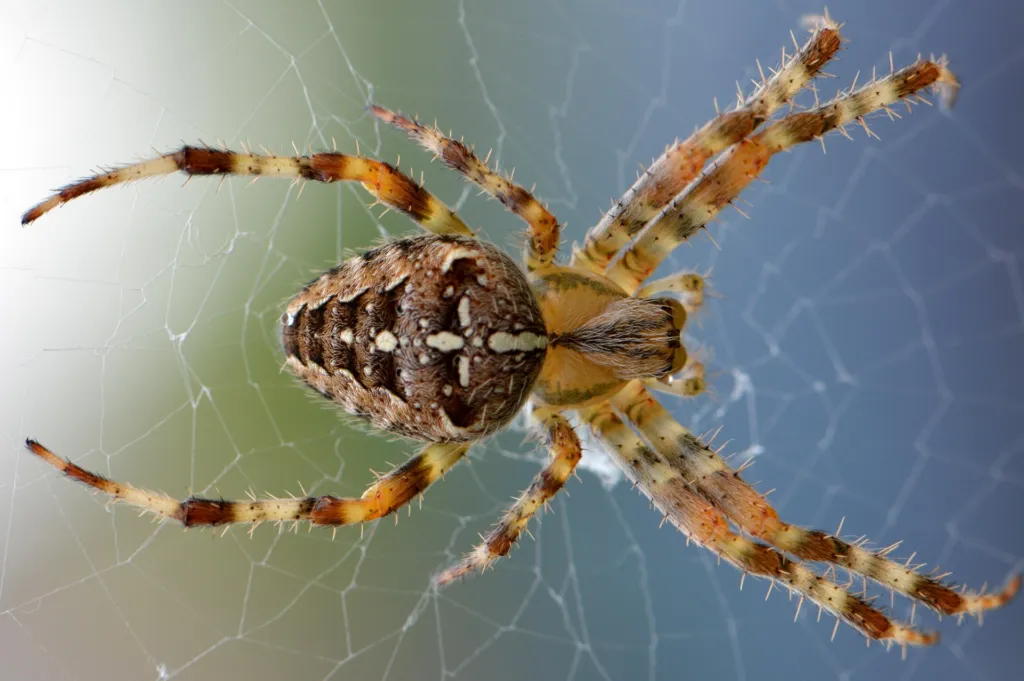
Yellow sac spiders are among the most common spiders in and around Michigan homes. MSU says they can be found under siding and windowsills, in leaf litter, and in the corners of walls and ceilings indoors. They are small and pale, but they are often one of the spiders homeowners notice most.
MSU identifies the northern black widow as one of Michigan's medically important spiders. They are usually found in protected outdoor spaces such as brush piles, old wood, sheds, and crawlspaces. They are not the spider most homeowners see every day, but they are a real concern when present.
MSU notes the northern cobweb spider as another medically important native species in Michigan, though less significant than the widow or yellow sac spider. They are more of a concern because of confusion and misidentification than because most homes are heavily infested with them.
Wolf spiders are larger, fast- moving spiders that usually hunt instead of relying on obvious webs. MSU says they often enter near ground level and are commonly found in basements, crawlspaces, and breezeways. They are startling, but usually more nuisance than danger.
MSU notes that harmless house spiders can resemble widows in body shape, which is one reason homeowners often want professional identification and treatment instead of guessing.
When the same corners keep producing webs, the issue usually is not random
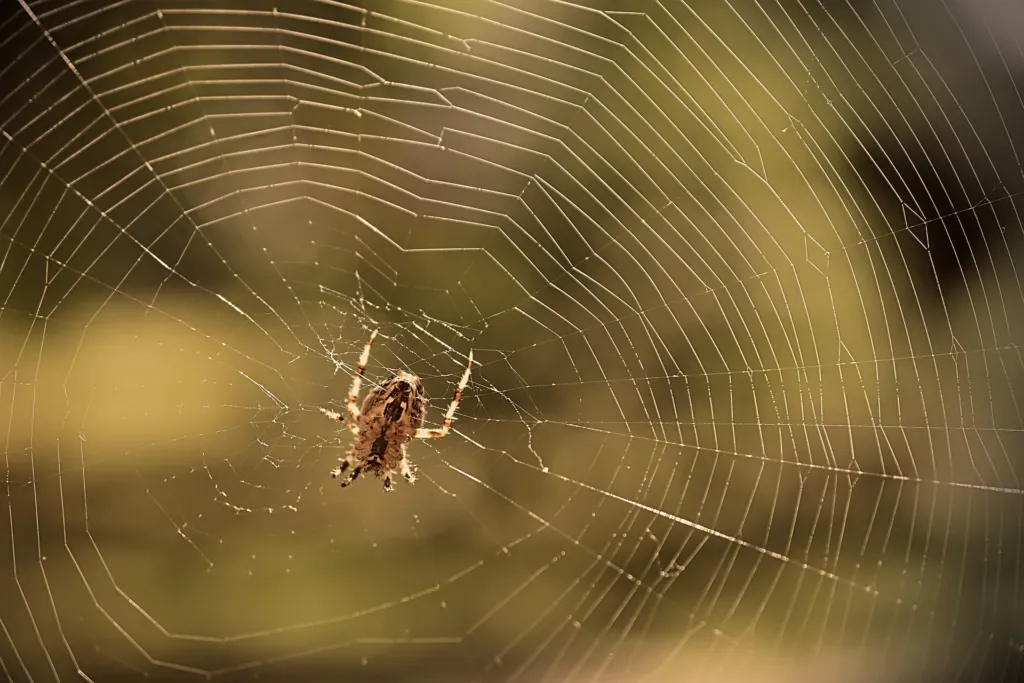
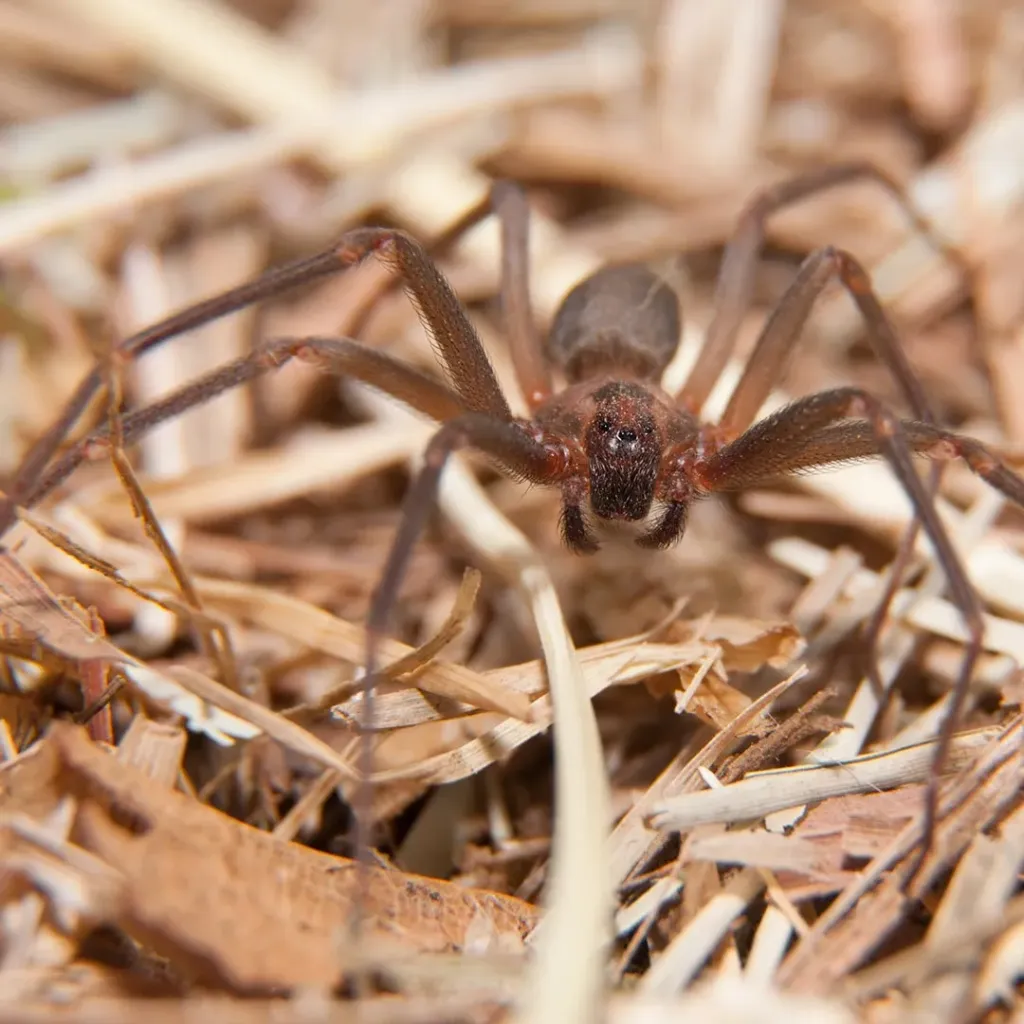

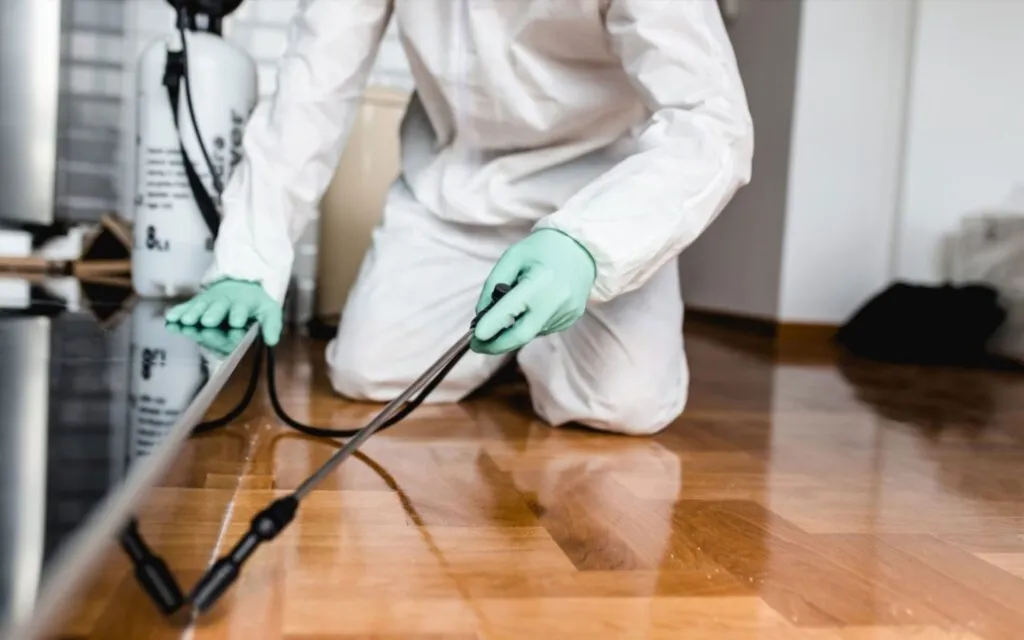
NexGreen’s spider- control and perimeter- pest pages both center the process on inspection, hotspot treatment, web removal, perimeter attention, and prevention- focused recommendations rather than a one- step spray.
Step
1
Inspection
We look for webbing patterns, sheltered rebuild zones, likely entry points, and the areas where insect activity is strongest.
Step
2
Treatment
Treatment focuses on foundations, doors, windows, soffits, corners, ledges, and other hotspots where spiders rebuild.
Step
3
Prevention
NexGreen's approach includes practical steps like trimming vegetation, improving sealing, and reducing the conditions that keep spiders comfortable around the property.
Step
4
Monitoring
Recurring service helps keep activity lower over time, especially during the pest- active season and around fall movement indoors.
NexGreen’s Sterling Heights page notes spiders looking for warmth in the fall, and its seasonal pest notes also mention spiders sneaking indoors in winter. That makes Sterling Heights a market where spider pressure often feels more noticeable as outdoor conditions shift and protected indoor spaces become more appealing.

Reduce clutter in basements and garages. Seal gaps around doors and windows. Replace worn weather stripping. Knock down webs quickly. Trim vegetation back from the home. Keep stacked items and debris away from the foundation. Those prevention themes align with NexGreen’s hotspot- and- entry- point approach and with MSU’s emphasis on the places common Michigan spiders use for shelter.
Targeted service for the spaces your household actually uses
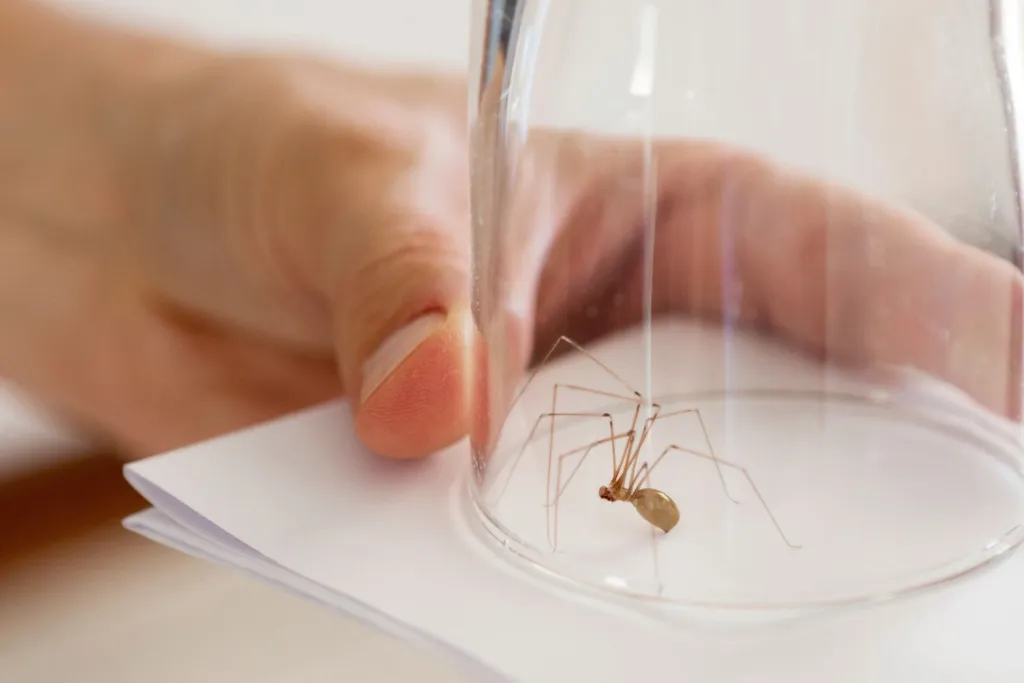
Most are nuisance spiders, but MSU identifies the northern black widow, yellow sac spider, and northern cobweb spider as Michigan’s medically important native species.
That usually points to stronger insect activity, sheltered hiding places, or seasonal movement toward warmer indoor spaces.
Yellow sac spiders are very common in and around homes, and wolf spiders are also regularly encountered near ground level areas like basements and crawlspaces.
MSU says very few people encounter them in Michigan, and they are not something most homeowners regularly deal with.
Many homeowners notice less activity fairly quickly, though some sightings may continue briefly while hidden areas, webs, and egg sacs are being addressed. This is an inference based on Texas A&M’s guidance that spider control often requires more than simple insecticide use.
Recurring service is often the best fit when webs keep rebuilding or activity spikes seasonally.
Yes. If food sources, shelter, and entry points remain, spiders can return.
NexGreen says its perimeter pest control uses eco- conscious formulations designed with family and pet safety in mind, and several of its local pest pages describe treatments as safe once dry.
Often, yes. MSU repeatedly ties spider activity to insects and notes that reducing insect prey is part of spider management.
Texas A&M discusses recluse spiders, widow spiders, wolf spiders, orbweavers, and jumping spiders among common Texas spiders.
Fall often pushes spiders toward more protected spaces and makes indoor or garage sightings easier to notice. This is an inference consistent with Texas A&M’s discussion of protected shelter and with how recurring seasonal pest pressure is described on NexGreen’s local pages.
Accessible egg sacs can be removed as part of service, and MSU specifically includes removal of egg cases as part of spider control.
You may reduce some visible activity by cleaning webs, sealing gaps, and lowering insect activity, but recurring problems often need professional treatment for better long-term control.
If spiders keep showing up around your garage, basement, porch, or storage spaces, NexGreen can help. Our spider control service in Sterling Heights, MI is built to reduce active spider pressure, clear webs, and help prevent the same problem from coming right back.