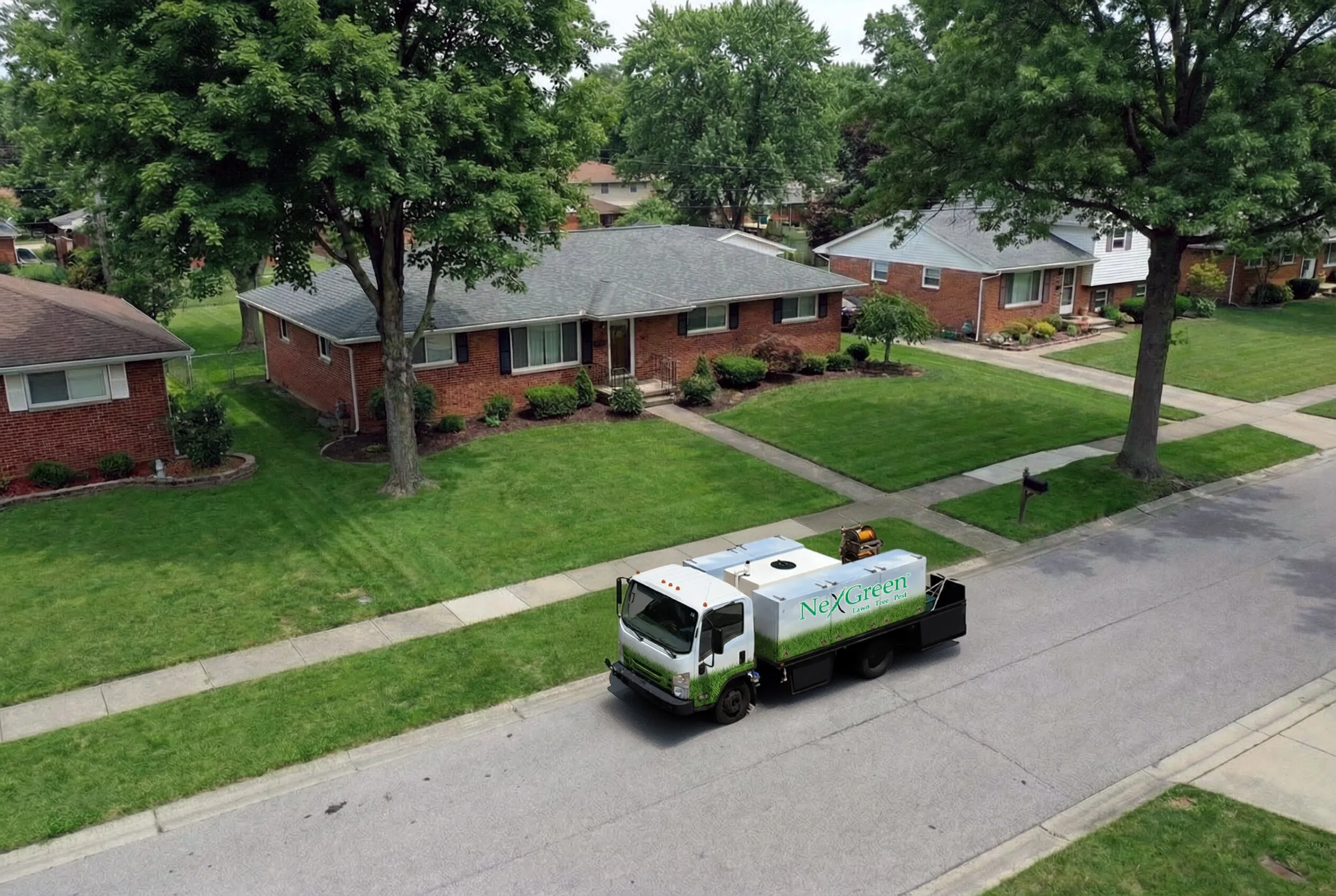
NexGreen’s job is to take that off your plate. We focus on the basics that actually move the needle in Roseville: consistent feeding, smart weed control, and fixing the soil when it’s too tight for grass to thrive.
Location services
NexGreen’s job is to take that off your plate. We focus on the basics that actually move the needle in Roseville: consistent feeding, smart weed control, and fixing the soil when it’s too tight for grass to thrive.
It’s never been easier to have a beautiful lawn. Call today to lock in your savings and get two FREE applications. But time is running out!
Opt into our text messaging platform to begin your program and schedule with us today!
If your Roseville lawn looks great for a week and then slips right back into thin spots and weeds, you’re not alone. A lot of yards here get compacted from everyday life, kids, pets, mowing the same pattern, and that packed soil makes it harder for water and nutrients to reach the roots. Add Michigan’s fast weather changes and you can end up babysitting the lawn all season.
Think of fertilization like building momentum. When grass is fed the right way and at the right time, it grows thicker, and thick grass naturally crowds out a lot of weed problems. We aim for steady growth and stronger roots so your lawn doesn’t look “washed out” halfway through the season.
Weeds in Roseville love edges, driveway cracks, sidewalk seams, and any spot where the grass is already stressed. We use a mix of prevention and targeted control so you’re not just knocking weeds down for a few days. The goal is fewer new weeds showing up, and less time spent staring at the same patch of dandelions.
If your lawn feels hard under your shoes, or puddles after rain, aeration can make a big difference. It opens the soil so air and water can get down to the roots. Overseeding is what helps those thin areas finally fill in, especially along fence lines, between sun and shade, and in spots that have been struggling for years. In this area, late summer into fall is often the best window to get strong results.
When a lawn starts browning in little sections and doesn’t bounce back with watering, insects can be the culprit. Grubs and other turf pests feed below the surface and weaken the root system, which makes the lawn look tired and patchy. We offer preventative and curative options to protect turf during the months pests are most active.
Sometimes a lawn isn’t “hungry,” it’s just not able to use what it’s getting. If soil pH is off, nutrients can sit there without helping. Lime can help balance things so your lawn responds better to the rest of the program.
Kentucky Bluegrass, Perennial Ryegrass, Tall Fescue, Fine Fescue
Grubs, Armyworms, Chinch bugs, Sod webworms.
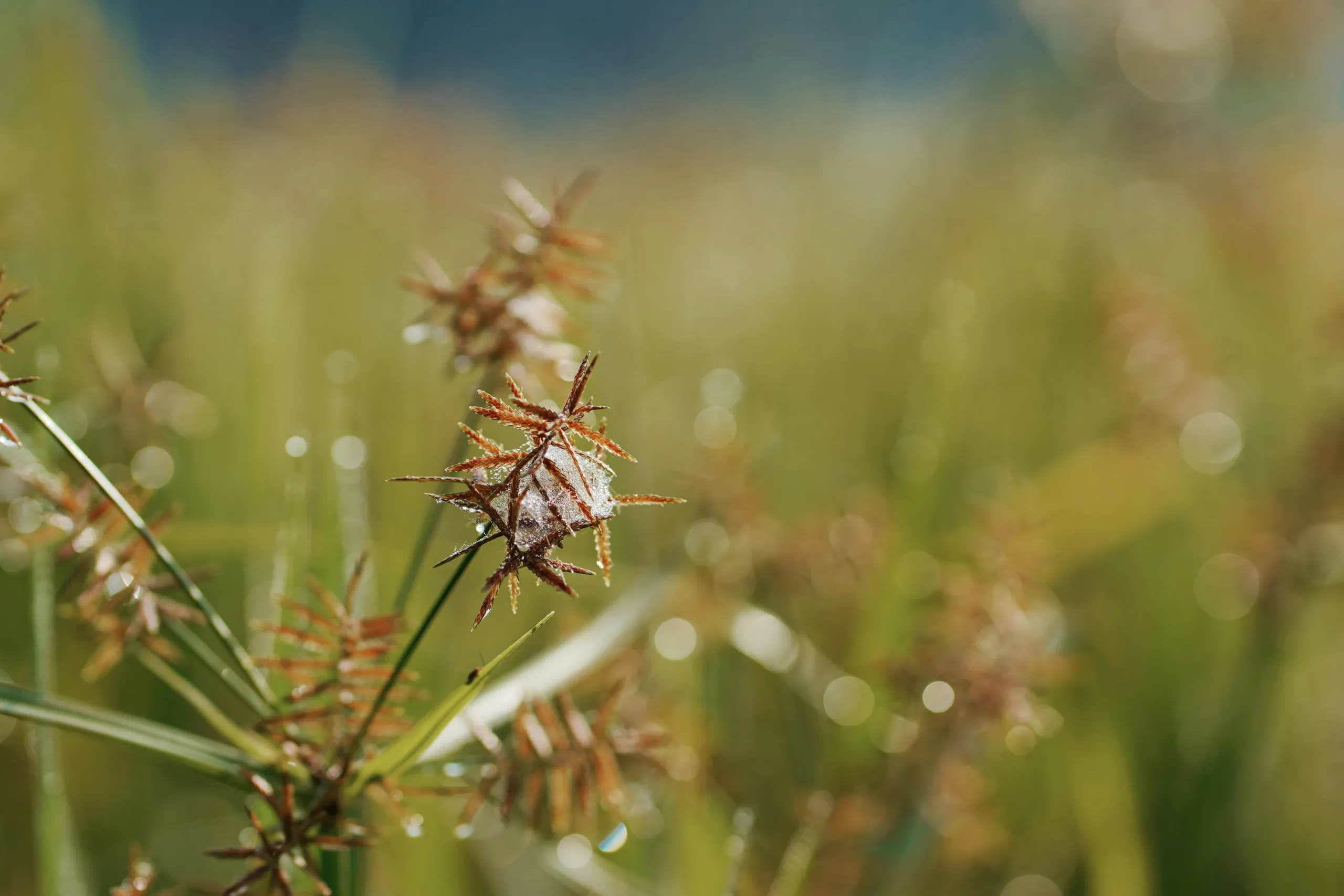
Crabgrass, Dandelion, Clover, Nutsedge
USDA Plant Hardiness Zone: 6a
Average Annual Rainfall: ~30–35 inches
Average Summer High: ~80–85°F
Average Winter Low: ~10–20°F
Average Sunny Days per Year: ~170–190
Soil Type: Often clay-loam, tends to compact in high-traffic yards
Recommended Watering Time: Early morning, before 9 a.m.
We provide fertilization, weed control, aeration and overseeding, grub and insect control, and soil support treatments like lime when needed.
Most lawns do best with seasonal applications timed around spring growth and fall root strengthening.
Late summer through fall is usually ideal for strong seed establishment and thicker turf.
Yes. We’ll give you straightforward guidance on when it’s okay to be back outside.
Usually no. As long as we can access the yard, we can take care of it.
We offer flexible options. We’ll recommend what fits your lawn goals.
Bluegrass, ryegrass, and fescue blends are common and perform well with a seasonal plan.
Call NexGreen or request a quote online and we’ll schedule your first visit.
If you want a lawn that looks thicker and stays cleaner without constant trial-and-error, give NexGreen a call. We’ll set up a plan that fits your yard and keep it moving in the right direction.