Selfridge, the Metropark, and Lake St. Clair: Tick Pressure from Every Direction

Tick Control in Harrison Township, MI

Harrison Township’s character is defined by exceptional green space and water access for a Macomb County community: Lake St. Clair Metropark’s 770 acres of managed shoreline, Selfridge Air National Guard Base’s large forested buffer along the lake, and the township’s own extensive waterfront along Lake St. Clair. For outdoor-oriented residents who spend time near the water, in the parks, and on larger residential lots that border those green corridors, tick exposure is a meaningful seasonal concern.

Macomb County Health Department surveillance has confirmed that blacklegged tick populations are now established in the county, with Lyme-positive samples collected locally in 2021, 2022, and 2023. For Harrison Township properties that border large green space, wildlife corridors, and lake-adjacent habitat, those established populations have reliable pathways directly into residential yards.

NexGreen provides professional tick control in Harrison Township with targeted yard treatment built around the specific pressure zones that make this township distinct from the rest of Macomb County.

Get ready for summer with our limited time offer!

Enjoy your yard this summer by treating mosquitos early in the season. Schedule your service today!

Only $39.95 for your first service

Get A Quote

Scaled for Larger Lots and Green Space Proximity

Professional Tick Control Services in Harrison Township, MI

NexGreen’s tick control service in Harrison Township begins with a comprehensive assessment of the lawn and yard, accounting for the larger lot sizes, proximity to Metropark or Selfridge perimeter corridors, waterfront or near-water conditions, and the transition zones between maintained lawn and the naturalized or wooded edges that border many Harrison Township properties. Treatment is targeted to the identified pressure zones: shaded lawn edges, landscape beds, fence lines adjacent to naturalized space, low-lying moisture areas, and the transition zones between maintained turf and the green space borders that make these properties distinct. A protective barrier is established along lawn edges, the foundation perimeter, shrubs and landscape beds, under deck structures, and around the patios, play areas, pet runs, and outdoor entertaining spaces that Harrison Township homeowners invest in. Recurring service keeps protection active through the full tick season.

A Process That Matches the Scale of Harrison Township Properties

Our Tick Control Process

Full-Property Inspection

We assess the entire lot, noting shade distribution, moisture zones, wildlife corridors, vegetation transitions, proximity to Metropark or Selfridge perimeter, and how the property connects to the surrounding landscape. Harrison Township inspections account for a broader footprint than typical residential service.

Treat Tick-Prone Areas

Targeted treatment is applied to the specific zones where ticks concentrate the transition borders, shaded edges, dense plantings, and moisture-retaining areas that characterize Harrison Township's larger properties near green space.

Establish a Protective Barrier

A barrier is created along lawn edges, the full foundation perimeter, fence lines, shrubs, under decks, and around the outdoor spaces families and pets use most. For larger lots, the perimeter treatment scope is extended to match the property footprint.

Continue Protection Through the Season

Wildlife movement from adjacent green corridors continues throughout the active season, introducing ticks regularly from the Metropark and Selfridge perimeters. Recurring service maintains the barrier and prevents tick populations from rebuilding between visits.

Green Corridors That Put Tick Pressure Directly Into Residential Yards

Why Tick Control Matters in Harrison Township

Harrison Township’s adjacency to large managed green space the Metropark and the Selfridge base perimeter creates a direct wildlife corridor between undisturbed natural habitat and residential properties. Deer that browse through the Metropark’s wooded sections move freely onto adjacent lots. Wildlife that uses Selfridge’s base perimeter moves through the same corridors that connect to residential neighborhoods along the township’s western edges. Each animal carries ticks that can establish in residential yards wherever suitable habitat exists.

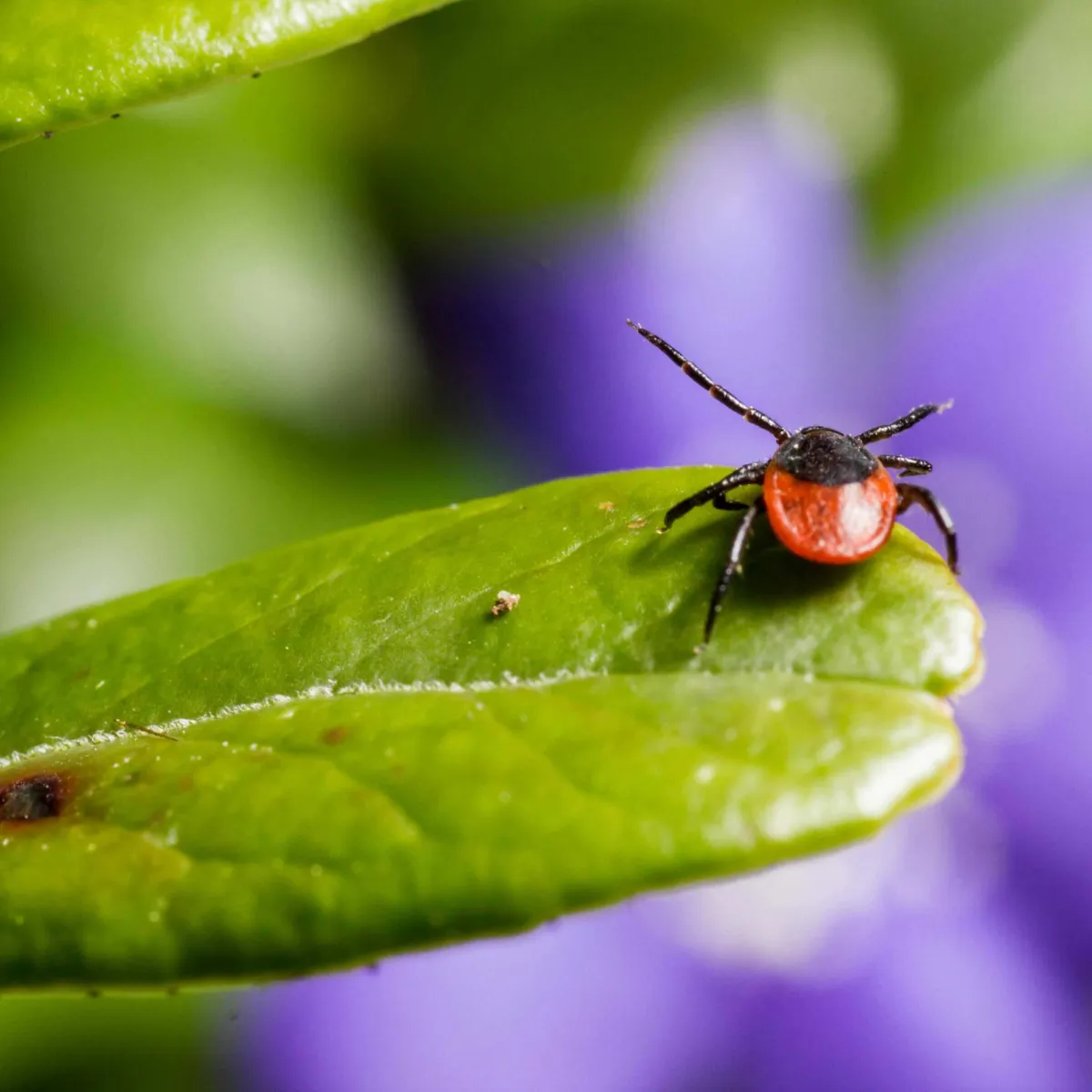
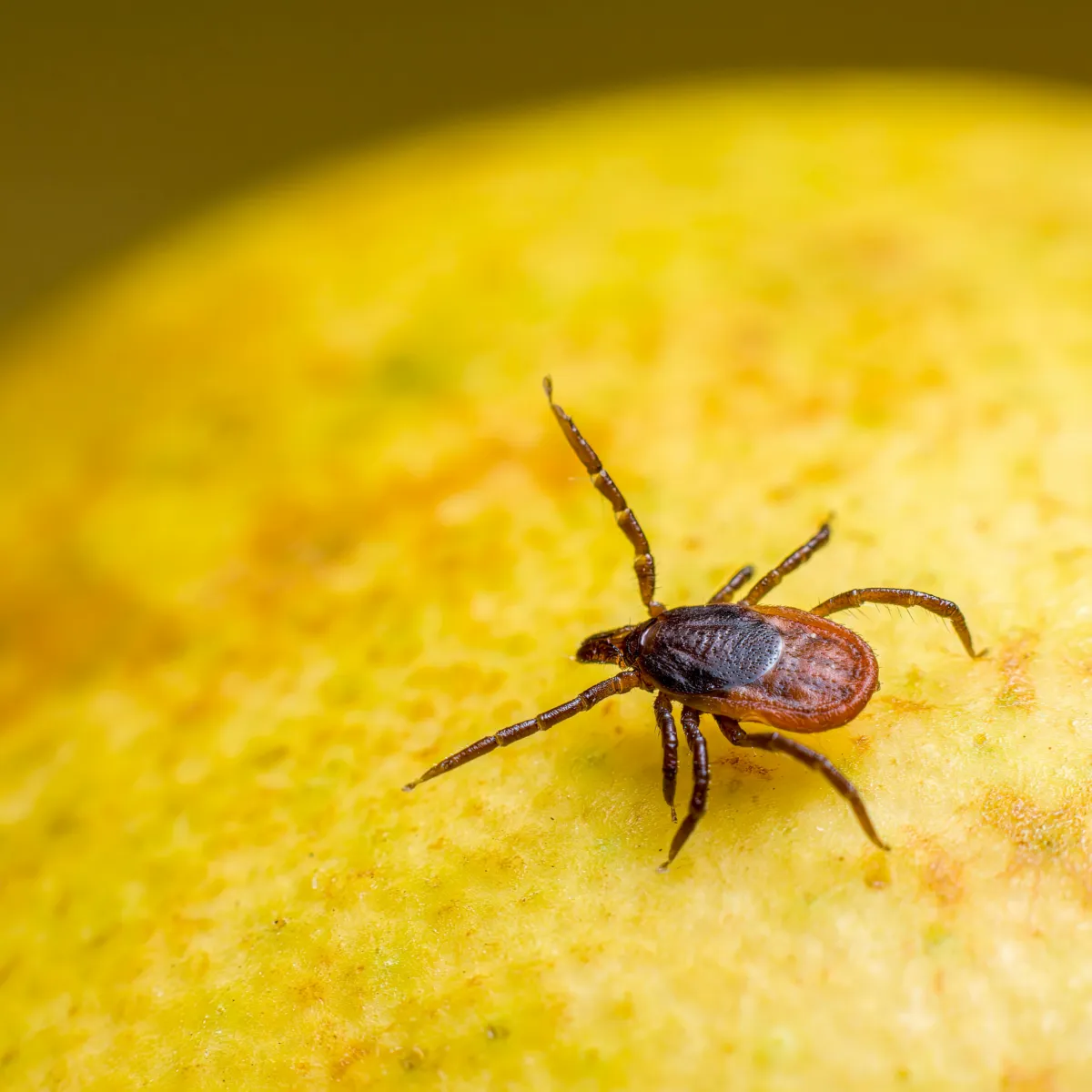
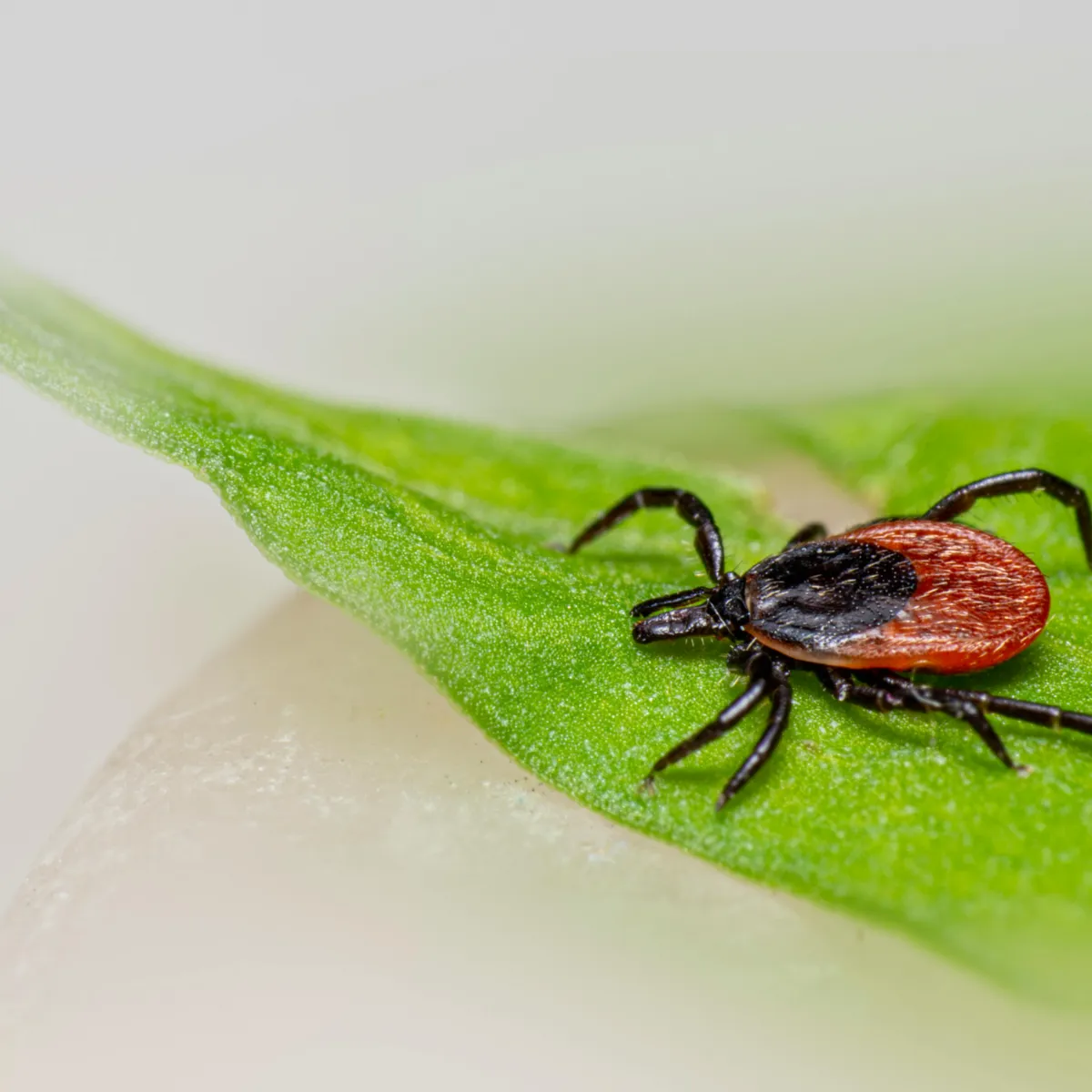
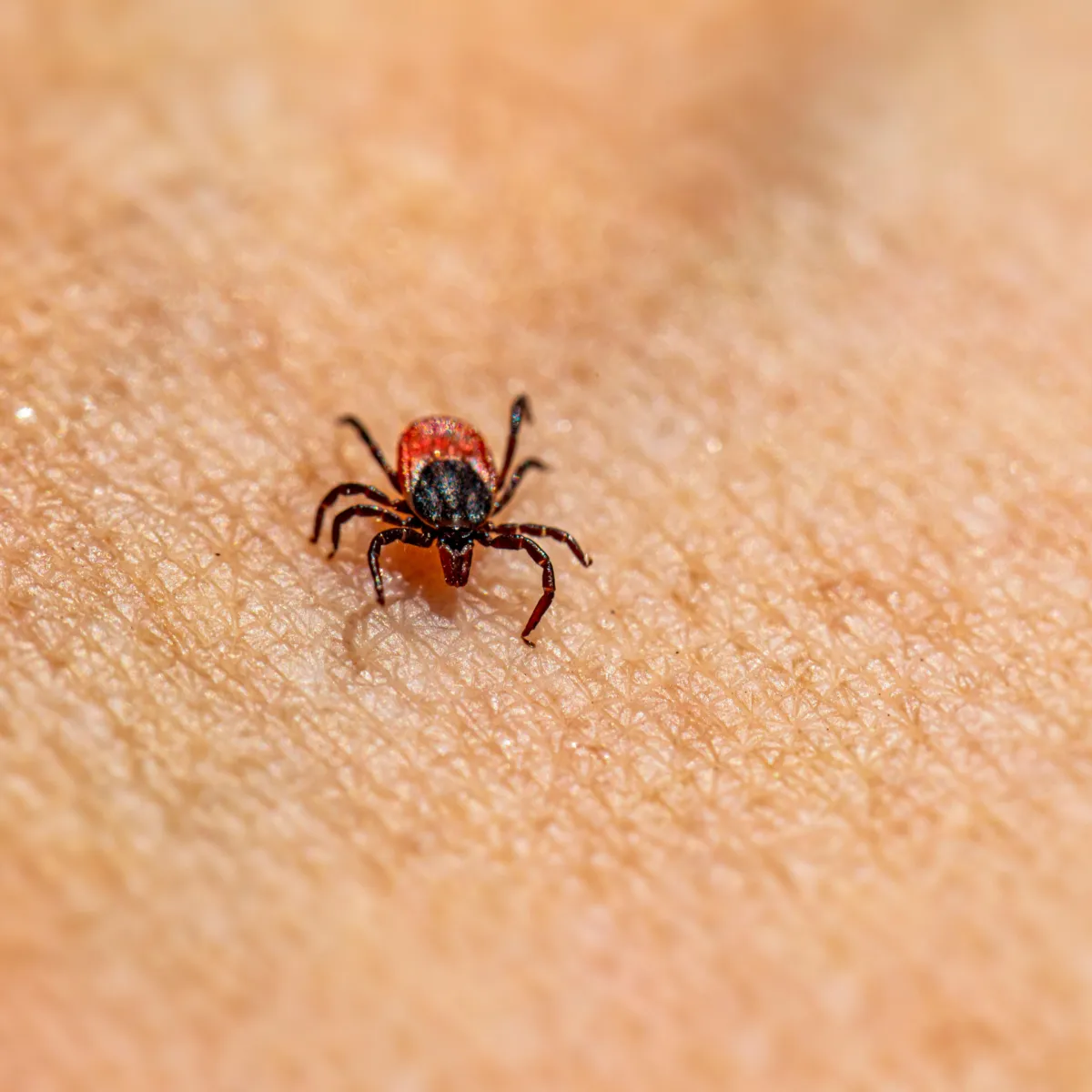
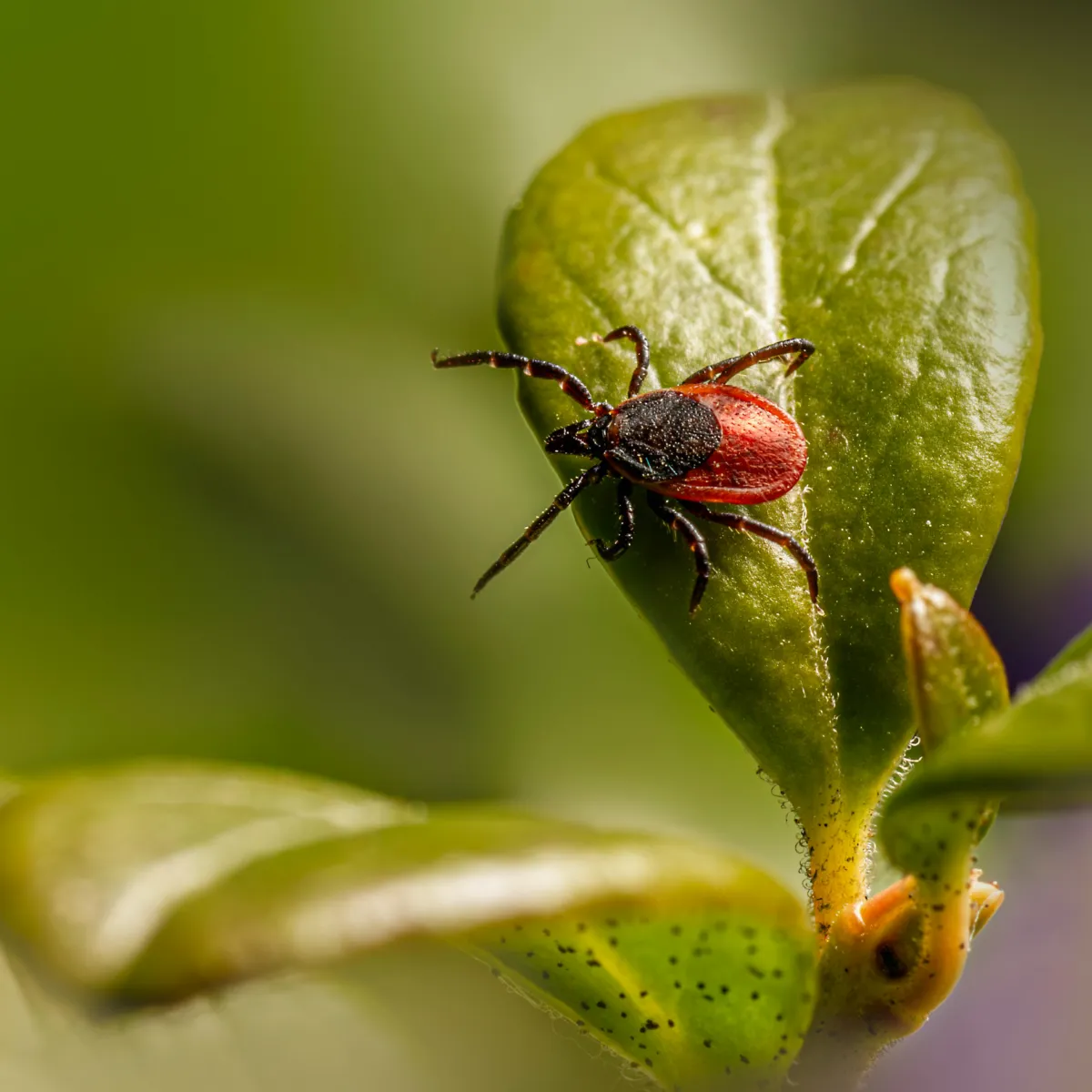
The lake and its associated wetlands amplify that pressure. Moist, shaded vegetation along the shoreline and the township’s naturalized areas supports the plant life and insect populations that ticks depend on. Blacklegged tick nymphs, the life stage most responsible for Lyme disease transmission, are roughly the size of a poppy seed and can attach and feed without any detectable sensation. The steady increase in Macomb County’s documented Lyme disease cases, from three in 2016 to fifteen in 2023, reflects an expanded and established tick presence across the county that is particularly relevant for properties in high-exposure areas like Harrison Township.

The lake and Metropark also draw residents outdoors in a way that creates sustained exposure. Families that spend time at the water’s edge, at the Metropark’s picnic areas, and along the shoreline walking paths are regularly in or near tick habitat throughout the active season. Professional yard treatment addresses the residential property the yard and outdoor spaces you control to reduce the tick load in the areas where your household spends the most time.

Larger Properties Have More Tick Zones

Where Ticks Concentrate in Harrison Township Yards

Harrison Township’s larger lot sizes create more potential tick zones than typical Macomb County residential properties. The consistent hotspots include the transition zone between maintained lawn and Metropark-adjacent or wooded border edges, shaded areas under deck structures and along fence lines bordering naturalized space, dense landscape beds with mulch or ground cover near the foundation, any low-lying or moisture-retaining areas near the waterfront or in wooded corners of the lot, wood piles and leaf accumulations in low-traffic areas of larger lots, areas where deer trails cross or approach the yard perimeter, and pet zones and children’s play areas near any of the above. The larger the lot, the more transition zones exist between maintained turf and tick-supporting habitat and the more perimeter treatment is required to maintain effective protection.

Where Harrison Township Families and Pets Spend Their Time

Tick Prevention for Harrison Township Families and Pets

Harrison Township residents invest in outdoor living on a scale that reflects the township’s character: lakefront decks, larger patios, fire pits set back from the water, play areas on spacious lots, and frequent time in the township’s parks. Those spaces are where tick exposure matters most, because they are where families and pets are present regularly.

Dogs that range across larger lots exploring fence lines adjacent to the Metropark or running along wooded property borders have more opportunity to pick up ticks than pets confined to small urban yards. Children playing in open lawn areas near naturalized borders or in shaded corners of a large lot are in tick exposure zones that may be further from the house but still part of the daily outdoor routine.

Professional yard treatment reduces tick populations in those areas, making decks, patios, play zones, pet runs, larger lawn spaces, and outdoor dining areas safer and more comfortable through the active season. Yard treatment does not eliminate exposure at the Metropark or on the waterfront, but it meaningfully reduces the tick load in the spaces your household controls and uses daily.

The Seasonal Arc for a Township That Stays Outdoors

Seasonal Tick Control in Harrison Township

Harrison Township’s tick season is shaped by the same Macomb County pattern April through September at peak activity, with adult ticks remaining mobile into October but the township’s green space adjacency and lake proximity extend and amplify that window relative to fully urban Macomb County communities. Spring nymph emergence comes with the first warm, moist weeks of the season. Getting a barrier in place before outdoor activity ramps up is especially important in Harrison Township, where properties border active wildlife corridors that are shedding ticks as soon as conditions warm.

Summer is the highest-exposure period. The Metropark, lakefront access, and residential outdoor spaces are all in heavy use. Pets are on larger properties, children are spending extended time outside, and deer movement across the Selfridge and Metropark perimeters is at its peak. Maintaining barrier treatments through the summer months is the most critical sustained window for Harrison Township households.

Fall extends the active season at both ends in Harrison Township. The township’s outdoor culture continues well into October, and adult blacklegged ticks remain mobile through the cooler fall conditions that characterize Macomb County’s extended autumn. Carrying service through fall matches protection to the actual season rather than ending it in September when outdoor activity continues.

Experience That Matches Harrison Township's Conditions

Why Choose NexGreen for Tick Control in Harrison Township?

NexGreen brings locally trained technicians who understand Macomb County tick pressure and the specific conditions of green space-adjacent and waterfront communities in Harrison Township. The service is licensed and insured, registered with the Department of Agriculture, and built around a reduced-chemical approach safer for children and pets while effectively breaking tick activity in the yard. No long-term contracts, transparent pricing, and a money-back guarantee back every service. With a 4.9/5 rating across more than 1,925 reviews, NexGreen’s results reflect what it takes to produce reliable outcomes for residential properties in Macomb County’s most active tick environments.

Managing Tick Pressure on a Larger Lot

Tick Prevention Tips for Harrison Township Homeowners

On larger Harrison Township properties, the most important prevention steps involve the transition zones between maintained lawn and naturalized borders. Creating and maintaining a gravel or mulch barrier along the Metropark-adjacent or wooded perimeter gives ticks a less hospitable zone to cross from green space into the yard. Keeping lawn mowed consistently along fence lines and perimeter edges areas that tend to get skipped on larger lots removes the low vegetation ticks use at the yard border. Clearing leaf accumulations and wood piles from low-traffic corners of larger lots eliminates the tick harborage that builds up furthest from the house. Checking pets after outdoor time, especially after they have been near the perimeter border or in areas where deer trails approach the yard, limits how often ticks are carried back toward the home. Managing bird feeders and wildlife attractants away from high-traffic lawn areas reduces the small rodent and wildlife activity that sustains tick populations near the structure.

For First-Time Treatment or Specific Areas

One-Time Tick Treatments

A targeted one-time treatment is a practical starting point for Harrison Township homeowners dealing with a specific situation a newly purchased property, a first-season assessment, or a particular outdoor event. One-time service establishes a treated barrier and addresses current pressure, allowing homeowners to evaluate results before committing to a recurring schedule across a larger property.

The Clear Choice for Green Space-Adjacent Properties

Recurring Tick Control in Harrison Township

For Harrison Township properties bordering Lake St. Clair Metropark, adjacent to Selfridge perimeter corridors, or near the lake’s waterfront margin, recurring service is the standard recommendation. Wildlife movement from these green space corridors is continuous throughout the active season, meaning tick reintroduction into residential yards is ongoing regardless of how thoroughly a single treatment addresses current populations. Recurring service maintains the barrier, extends the treatment to new pressure zones that develop as the season progresses, and provides the sustained protection that properties in this level of green space adjacency require.

Harrison Township and the Communities Around It

Tick Control Near Harrison Township

NexGreen serves Harrison Township and surrounding communities including Clinton Township, Mount Clemens, Chesterfield Township, and St. Clair Shores. If tick pressure is a concern in your yard, request a quote and NexGreen will build a plan around your property.

Questions Specific to Harrison Township Properties

Tick Control FAQs for Harrison Township, MI

Get a Quote for Tick Control in Harrison Township, MI

Harrison Township’s green space adjacency, lake proximity, and wildlife movement from the Metropark and Selfridge corridors create tick pressure that reintroduces itself throughout the active season regardless of how well-maintained the yard is. NexGreen builds the treatment plan around the full property footprint and the specific pressure zones that make Harrison Township distinct from the rest of Macomb County. Request a quote online and take the first step toward a yard that feels safer for the people and pets who use it.