Dense Southern Macomb County, Real Tick Pressure
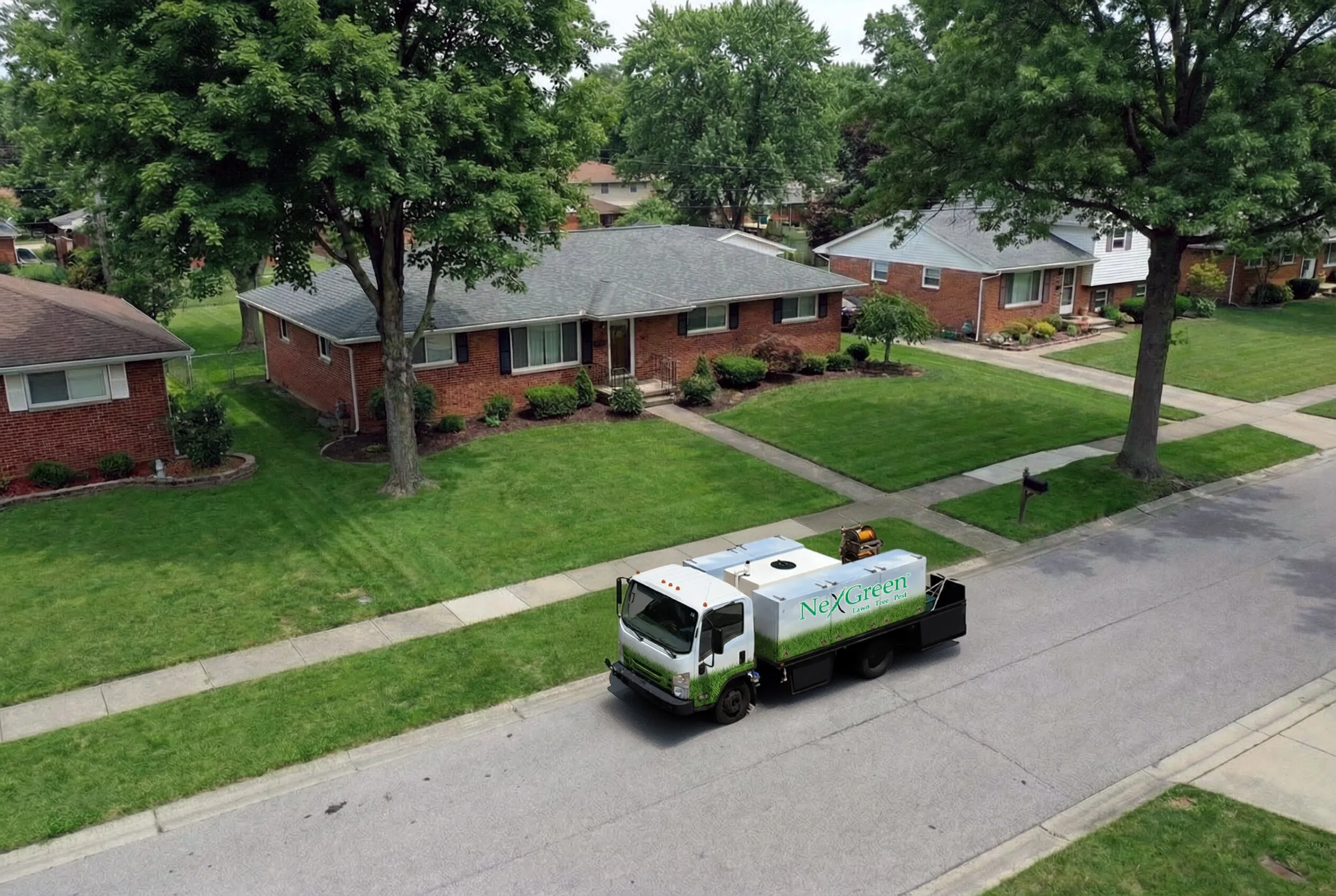
Fraser is a compact, fully built-out city in southern Macomb County, four square miles bordered by Clinton Township, Roseville, Sterling Heights, and Warren. The city’s established residential neighborhoods, mature landscaping, and proximity to the broader Macomb County tick corridor place it squarely within the documented risk area. The Macomb County Health Department has confirmed blacklegged tick populations are established in the county, with Lyme-positive samples collected locally in 2021, 2022, and 2023. For Fraser homeowners, tick exposure is not limited to parks or wooded trails, it happens in maintained yards wherever conditions support tick activity.
NexGreen provides professional tick control in Fraser with targeted treatment built around the zones where ticks actually concentrate on residential properties.
Get ready for summer with our limited time offer!
Enjoy your yard this summer by treating mosquitos early in the season. Schedule your service today!
Only $39.95 for your first service
Built for Fraser's Residential Yard Conditions
NexGreen’s approach in Fraser begins with a careful property assessment, identifying shaded lawn edges, dense foundation plantings, landscape beds with ground cover or mulch, fence lines bordering neighboring vegetation, and any low-lying areas that hold moisture after rain. Treatment is applied to the tick-prone zones identified, with a protective barrier established along lawn edges, the foundation perimeter, shrubs, fence lines, and around the outdoor spaces families and pets use most: patios, decks, play areas, pet runs, and outdoor dining areas. Recurring service options maintain protection through Fraser’s full tick season rather than depending on a single application to hold through Michigan’s spring-to-fall window.
Focused, Efficient Service for Compact Properties
We assess the yard carefully, noting shade distribution, moisture retention areas, vegetation density, fence line conditions, and how the property connects to neighboring lots or any remaining naturalized space.
Treatment is applied to the specific micro-habitats where ticks concentrate rather than broadcast across the full lawn. Focus areas include shaded borders, dense plantings, fence lines, leaf accumulations, and transition zones between turf and taller vegetation.
A treated boundary is created along lawn edges, the foundation perimeter, fence lines, shrubs, and around the outdoor areas your family and pets use most, patios, play areas, pet runs, decks, and garden borders.
Small wildlife continue to introduce ticks throughout the active season in Fraser's established neighborhoods. Recurring service maintains the barrier and prevents tick populations from rebuilding between visits.
Why Established Urban Properties Still Have Tick Problems?
Tick pressure in Fraser does not come from the same sources as it does in properties bordering forests or wetland corridors. In a fully developed urban grid like Fraser’s, ticks are sustained primarily by small wildlife, rabbits, squirrels, mice, and other rodents that move freely through established neighborhoods and maintain tick populations year after year. Deer are less common in Fraser’s dense southern Macomb County location, but smaller host animals are abundant and sufficient to sustain blacklegged tick populations in maintained residential yards.
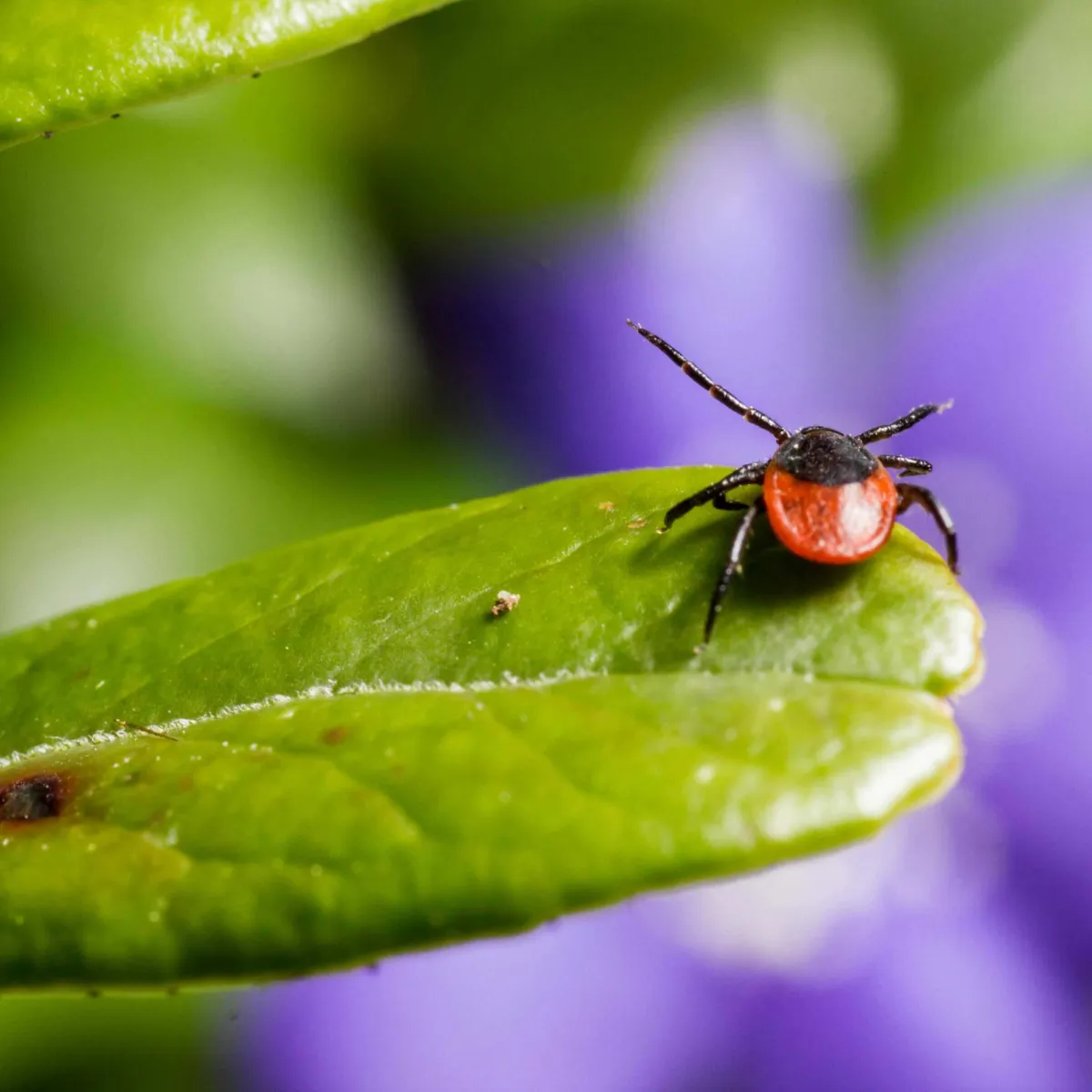
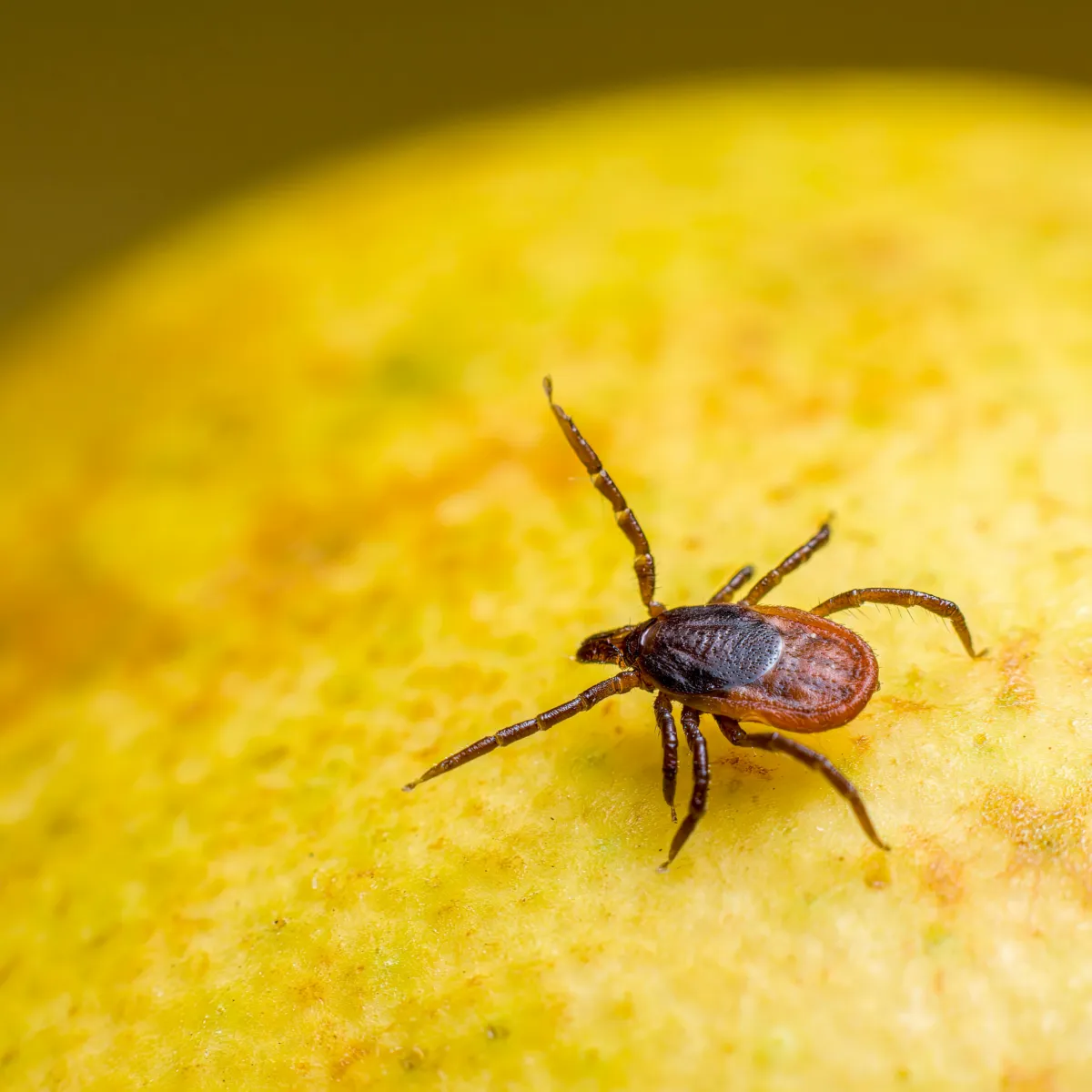
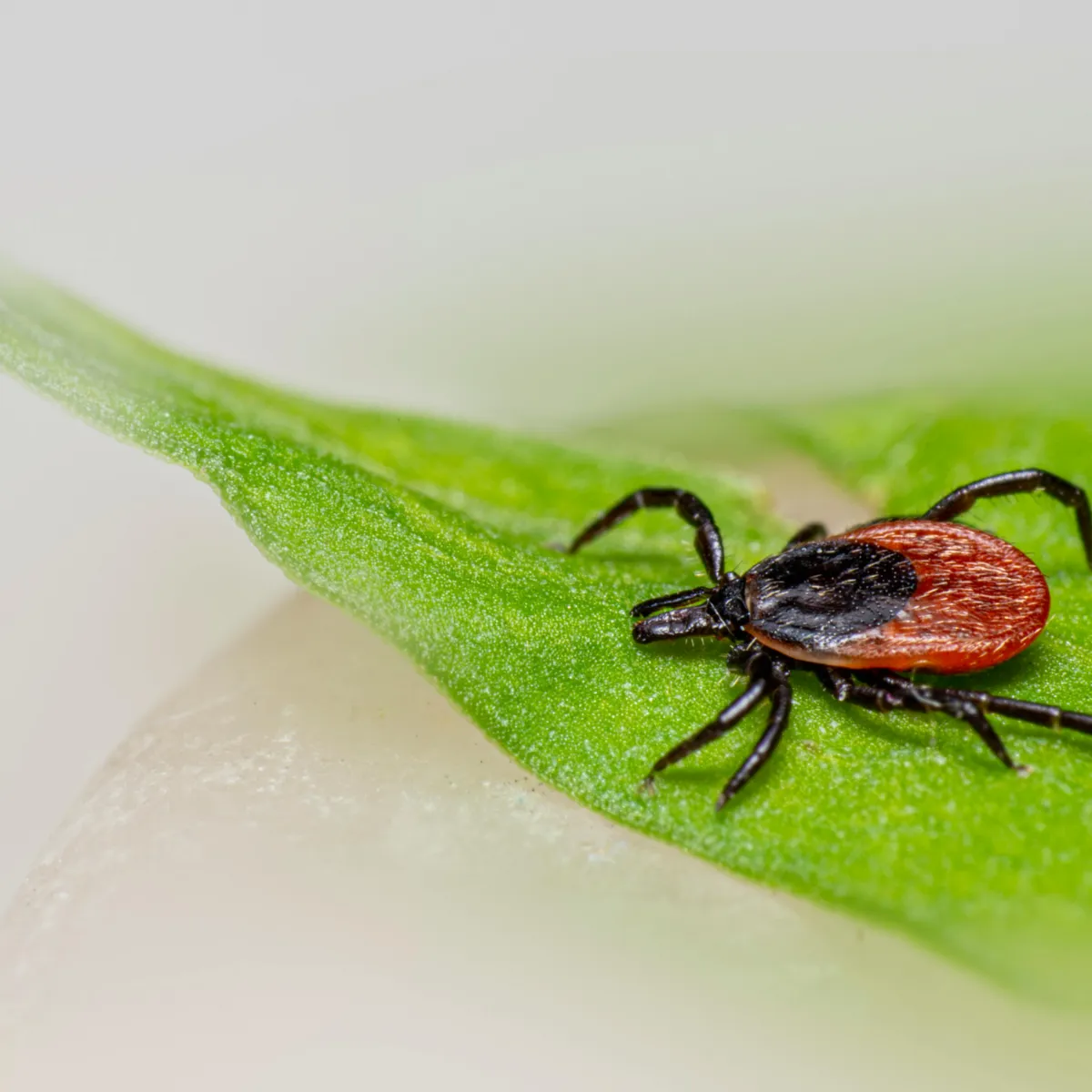
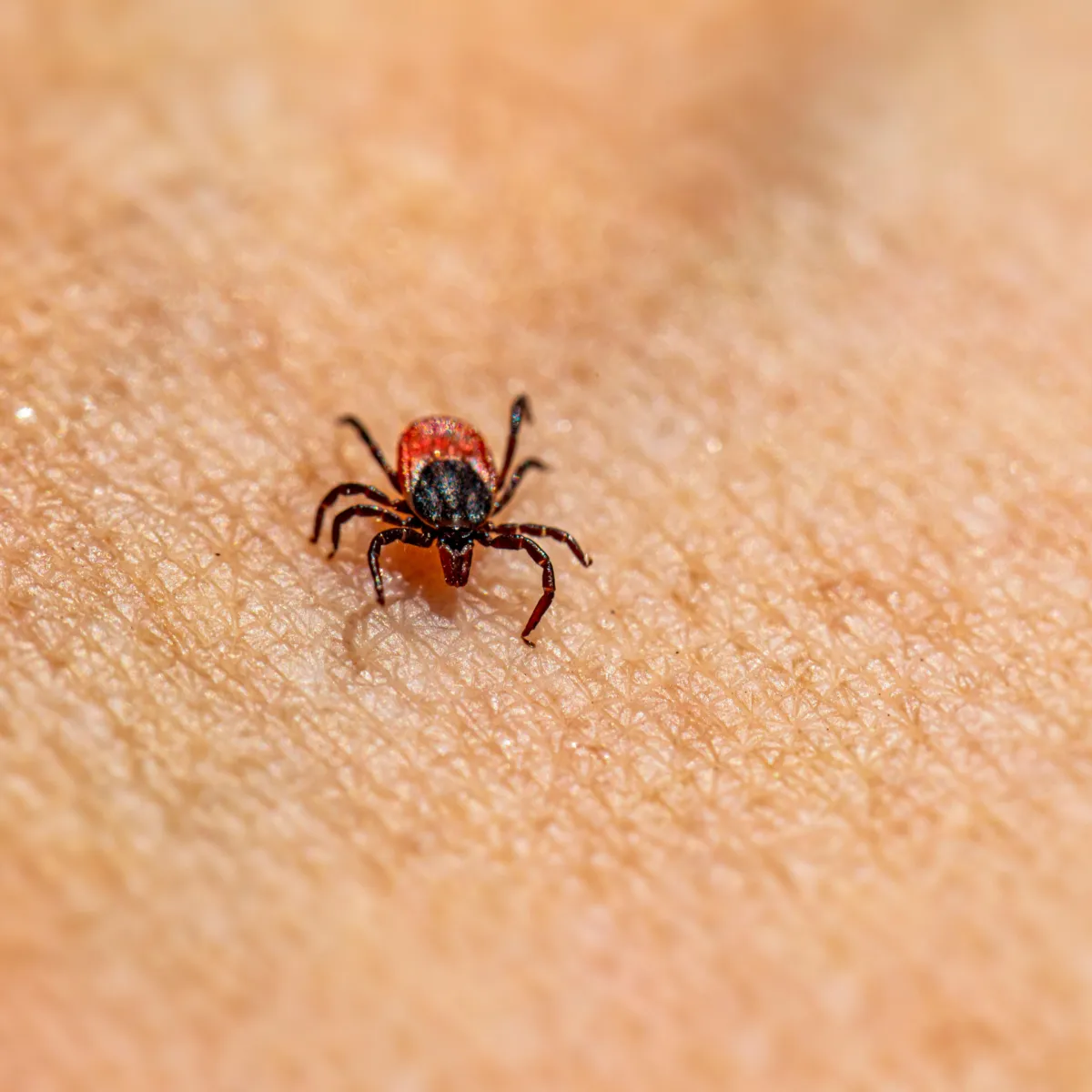
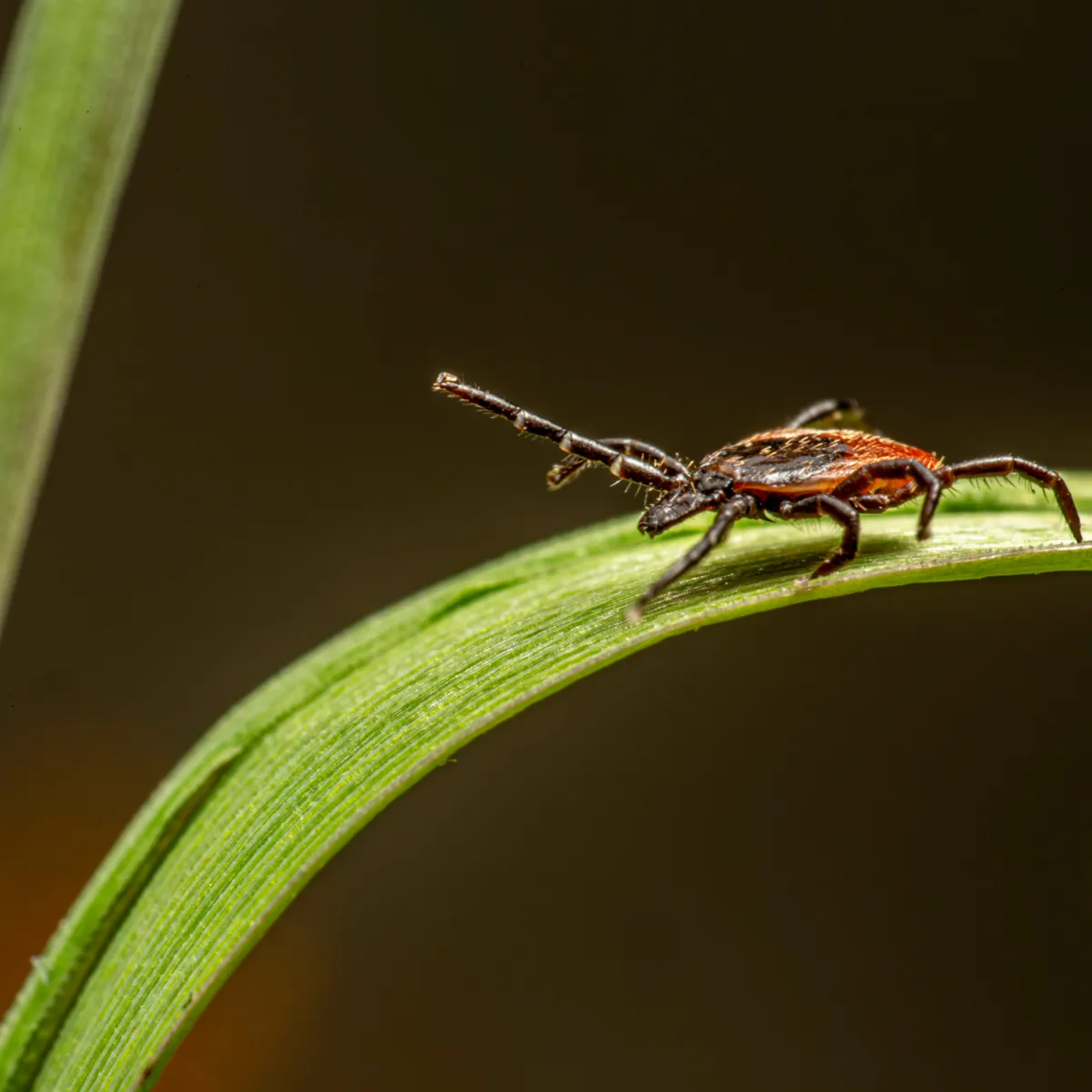
Blacklegged tick nymphs, the life stage responsible for most Lyme disease transmission, are roughly the size of a poppy seed and attach and feed without any detectable sensation. Macomb County’s documented case count for Lyme disease has grown steadily over the past decade, reflecting an expanded tick presence throughout the county, not just in more rural areas. When established tick populations exist in the county, every residential yard with suitable habitat is a potential exposure point.
Fraser’s mature landscaping amplifies that risk. Foundation plantings that have grown dense over decades, established shrubs along fence lines, and shaded yard borders create the micro-habitats ticks need even on smaller urban lots. The combination of established vegetation, wildlife traffic, and Michigan’s extended active season makes professional yard treatment the reliable approach for Fraser families who want consistent protection.
Smaller Lots, Still Reliable Tick Zones
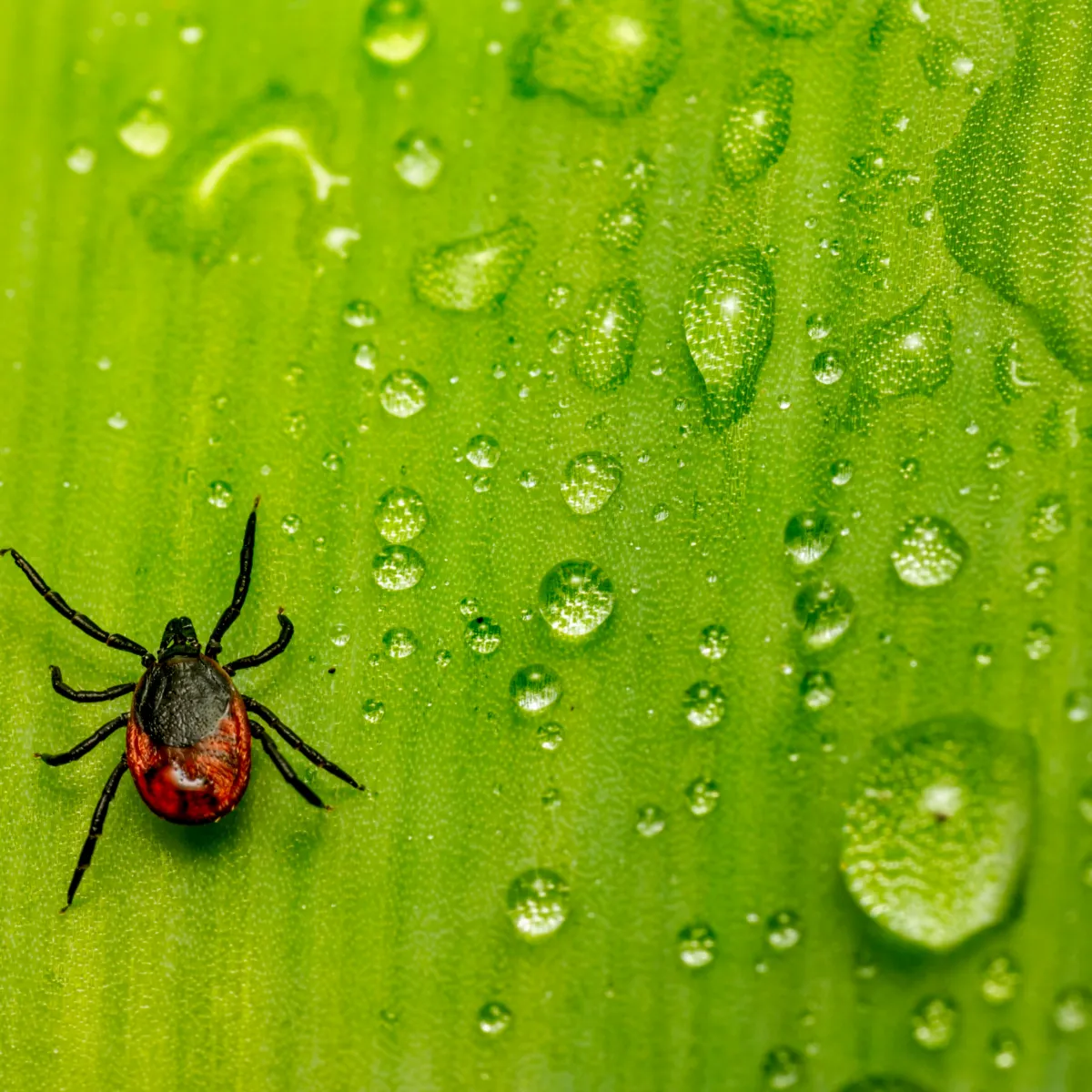
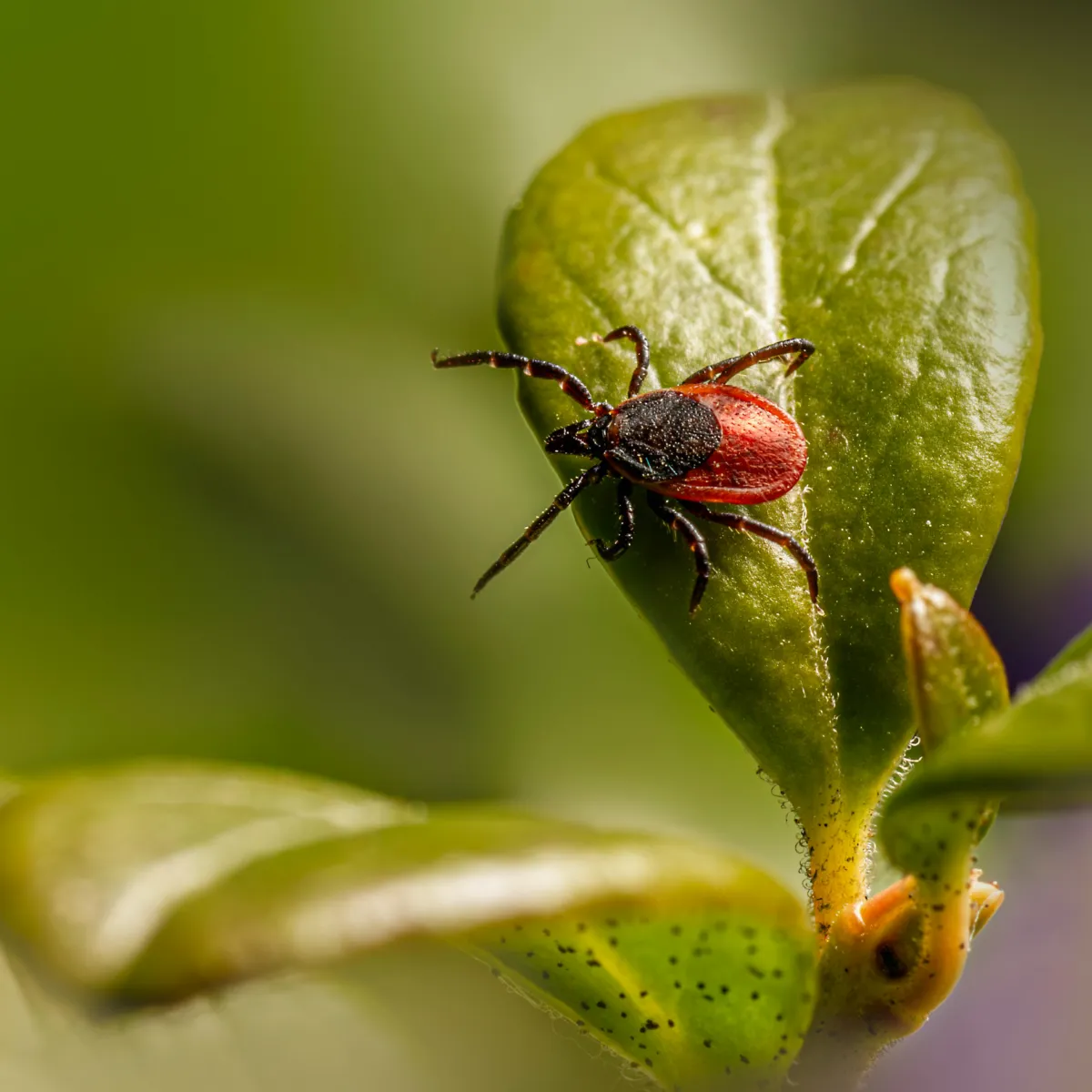
Ticks in Fraser’s residential yards concentrate in the same micro-habitats they use everywhere: shaded lawn edges and unmowed borders, dense landscape beds with mulch or ground cover near the foundation, fence lines with vegetation on one or both sides, leaf accumulations in corners near sheds or along structures, low-lying areas that stay moist after rain, wood piles or debris stacked near the yard perimeter, and areas where rabbits, squirrels, or other small wildlife move through regularly. Children’s play equipment sited near shaded borders and pet zones along fence lines are common exposure points in Fraser’s compact yards. The shorter distance between tick habitat and outdoor living areas on smaller lots means the margin for error is smaller too.
Exposure Happens Where Families Spend Time
Fraser’s compact properties put tick habitat closer to outdoor living areas than most homeowners expect. Dense foundation plantings along one side of the patio, a fence line shared with neighboring landscaping, or a shaded backyard corner are often within a few feet of where children play and pets run. Dogs and cats moving through those zones pick up ticks and carry them back toward the home. Children playing near shaded borders or ground-level play equipment are regularly in the tick exposure zone.
Professional yard treatment reduces tick populations in those specific areas, making patios, decks, play areas, pet runs, garden borders, and lawn spaces safer and more comfortable to use. Reducing tick pressure in the yard does not eliminate every possible risk, but it meaningfully lowers exposure for the whole household through the active season.
Tracking Fraser's Tick Season From First Warm Day to Last
Fraser’s tick season follows Macomb County’s documented active window: April through September for peak activity, with adult blacklegged ticks remaining mobile into October in mild fall conditions. Spring emergence coincides with the first sustained warmth and rain, conditions that create the soil moisture nymph-stage ticks need. Getting a barrier in place early in spring prevents tick populations from building before Fraser families begin spending time in the yard.
Summer is the highest-risk period. Outdoor use peaks, pets are in the yard daily, and ticks are actively questing in shaded edges and vegetation across the city. Maintaining barrier treatments through the summer months is the most important part of the seasonal protection window.
Fall catches homeowners off guard. Adult blacklegged ticks remain active into October in Macomb County, and outdoor activity in Fraser continues through comfortable autumn weekends. Letting service lapse too early in fall leaves the yard unprotected during a period when tick exposure is still meaningful.
What Sets NexGreen Apart in Fraser
NexGreen brings locally trained technicians familiar with Macomb County tick pressure, licensed and insured service registered with the Department of Agriculture, and a reduced-chemical approach safer for children and pets. The service is built around recurring visits rather than one-and-done applications, with no long-term contracts, transparent pricing, and a money-back guarantee. With a 4.9/5 rating across more than 1,925 reviews, NexGreen’s approach reflects what it takes to produce reliable results for residential properties like those found throughout Fraser.
Habits That Support the Barrier Between Visits
Keeping grass mowed and trimming lawn edges regularly removes the low vegetation ticks use to quest for hosts along yard borders. Pulling mulch back from the foundation and removing leaf accumulations in corners and along fence lines eliminates sheltered tick habitat on the property. Trimming established shrubs to reduce density near the foundation improves air circulation and makes those zones less hospitable for ticks. Keeping pet zones away from shaded fence lines and checking pets after outdoor time limits how often ticks are transported toward the home. Managing bird feeders away from high-traffic lawn areas reduces the small rodent activity that sustains tick populations near Fraser’s residential yards.
Right for Specific Situations
A targeted one-time treatment is a practical starting point for Fraser homeowners dealing with a specific situation, a new property purchase, a first-time assessment, or a particular outdoor event. One-time service addresses current tick activity and establishes a treated barrier, allowing homeowners to evaluate results before deciding on a recurring schedule.
Why Recurring Service Makes Sense for Fraser
For most Fraser properties, recurring service is more effective than a single application because small wildlife continue to introduce ticks throughout the active season. In an established urban neighborhood where rabbits, squirrels, and rodents move freely across properties, tick reintroduction is continuous, a single barrier treatment applied in May will not hold through September without maintenance visits. Recurring service keeps the barrier active, catches new pressure zones, and sustains protection through the full tick season.
Fraser and Surrounding Communities
NexGreen serves Fraser and surrounding communities including Clinton Township, Sterling Heights, Roseville, Warren, and Mount Clemens. If tick pressure is a concern in your yard, request a quote and NexGreen will build a plan around your property’s conditions.
Fraser Homeowners Ask Before Getting Started
If ticks are a concern in your Fraser yard, NexGreen will assess the property, identify where pressure is building, and build a treatment plan around your outdoor space. Request a quote online and take the first step toward a yard that is safer for the people and pets who use it.