Tree and shrub care for classic landscapes
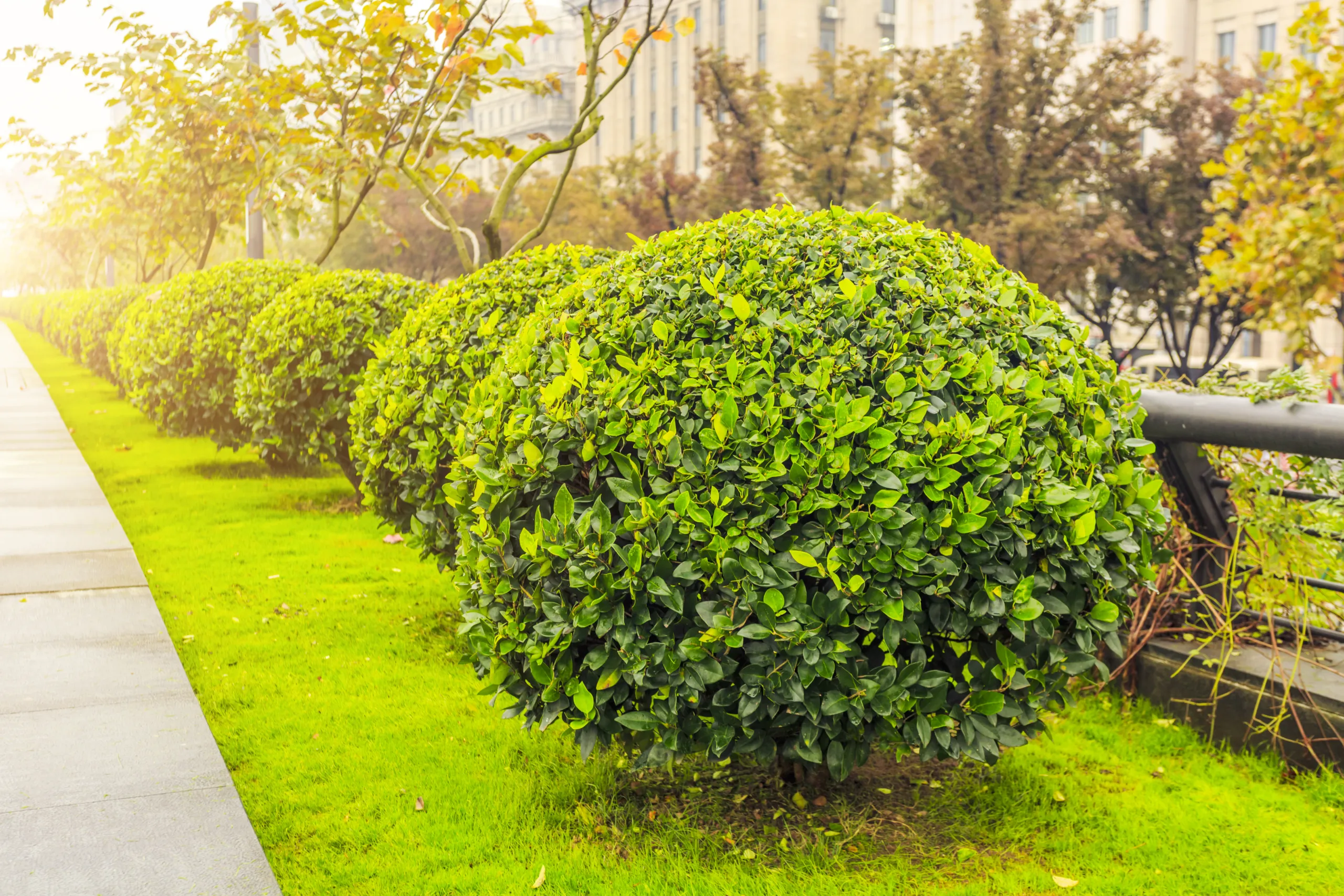
Trees and shrubs do a lot of quiet work in Birmingham landscapes. They shade sidewalks, frame porches, define garden beds, soften driveways, add seasonal color, and make homes feel settled into the neighborhood. When those plants are healthy and shaped, the whole property feels more polished.
But plant changes do not always happen all at once. A shrub may slowly grow past the bed line. A tree may become too dense on one side. A row of shrubs may lose its even shape. Leaves may fade after heat or stress. A walkway may feel narrower because nearby growth has not been trimmed back.
NexGreen’s Birmingham page says trees and shrubs help give the town its beauty and notes that its tree and shrub care includes seasonal feeding, deep-root nourishment, and precise trimming.
Balanced plants shape the whole yard
Tree and shrub care is not only for properties that look overgrown. In Birmingham, where front walks, porches, garden beds, and mature trees often shape curb appeal, plant care is about keeping the landscape balanced before it starts looking tired.
A single overgrown shrub can make a bed look crowded. A dense tree canopy can reduce light to the lawn below. A faded shrub near the entry can make the whole front yard feel less cared for. Regular care helps keep these small issues from changing the look of the entire property.
Healthy plants support curb appeal
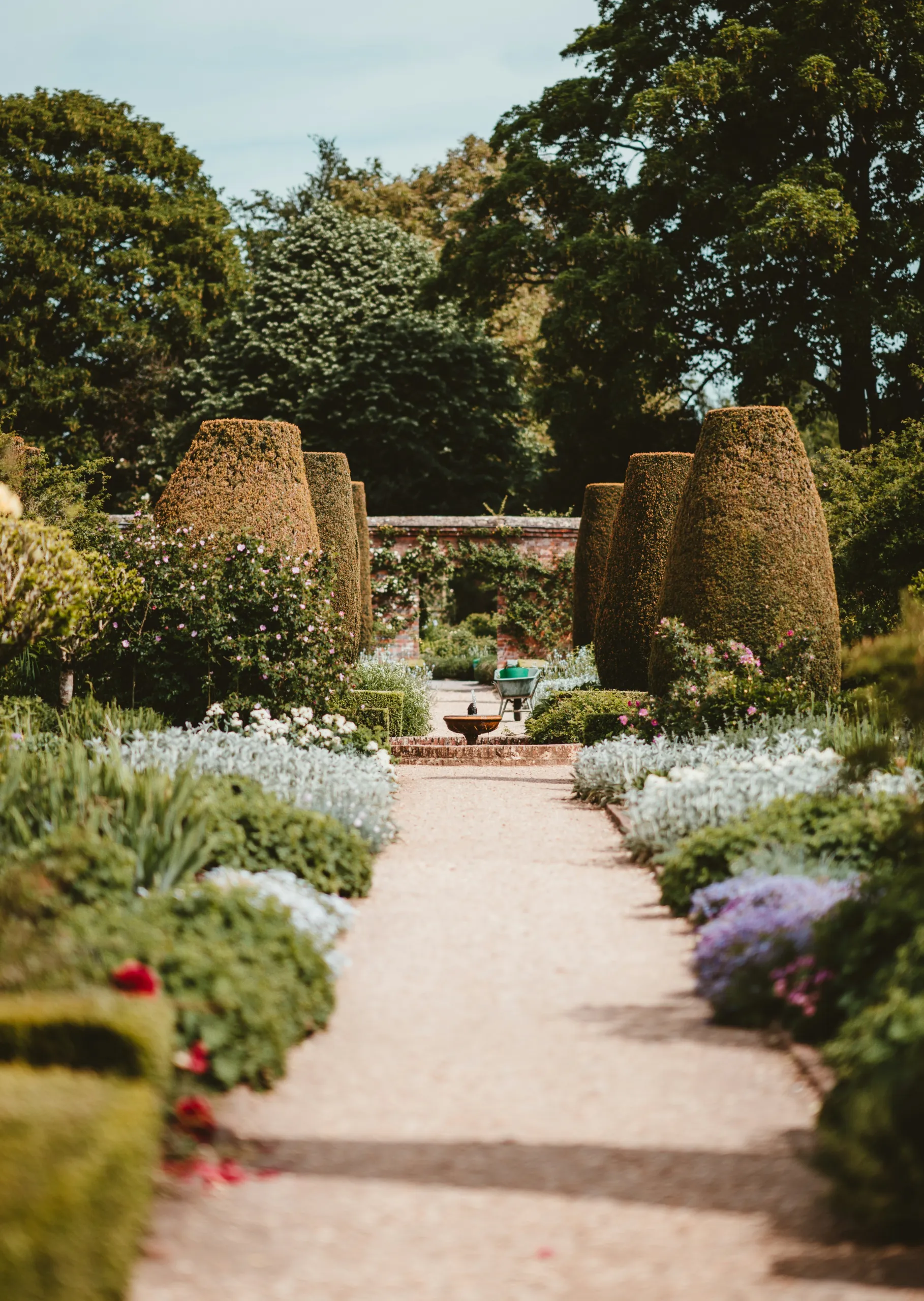
Trees and shrubs are part of the structure of the landscape. They guide the eye, frame the home, add privacy, and create shade. When they lose shape or health, the lawn and hardscaping around them can look less intentional.
NexGreen’s Birmingham page highlights seasonal feeding, root nourishment, and trimming to promote healthy growth year after year. For Birmingham homes, that steady care is important because landscapes often include a mix of mature trees, shaped shrubs, ornamental beds, and smaller lawn spaces.
Tree trimming keeps growth graceful
Trees can make a Birmingham property feel established and welcoming. They soften the home’s exterior, cool shaded areas, and bring seasonal color. But even healthy trees may need trimming to keep their shape clean and balanced.
One side of the canopy may look heavier. Lower branches may crowd nearby shrubs. Dense growth may make a front walk darker than it should be. A tree may begin to interfere with the visual balance of the yard.
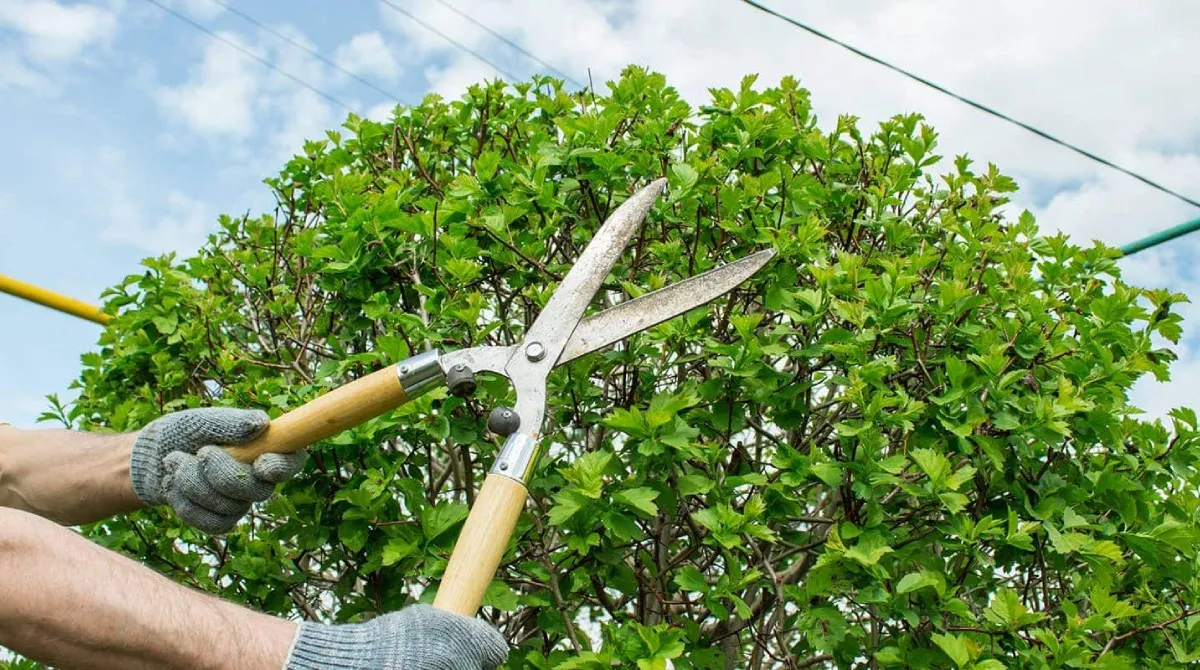
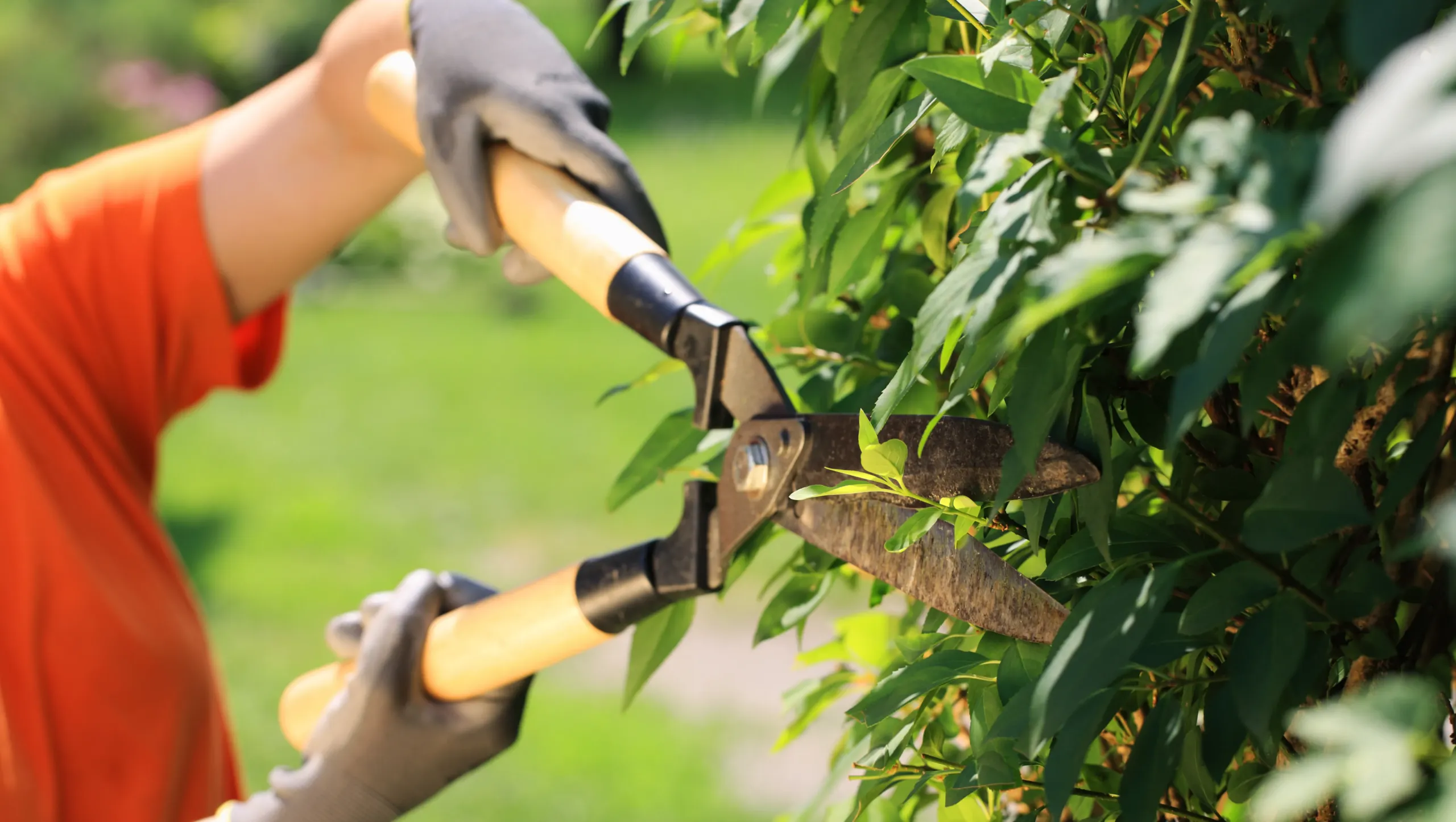
Tree trimming helps guide growth while respecting the tree’s natural form. It can open dense areas, improve balance, and keep trees from overwhelming nearby windows, walkways, planting beds, or lawn sections.
The goal is not to over-shape the tree. It is to help it fit the space beautifully and support a cleaner-looking landscape.
Shrub care keeps beds clean
Shrubs often create the clean lines that make a landscape feel finished. They may frame windows, border walkways, fill entry beds, or soften the edge between the house and lawn.
Shrubs may spread beyond bed edges, grow unevenly, block windows, crowd steps, or thin out during seasonal stress. In smaller or highly visible front yards, those issues can stand out quickly.
Regular shrub care helps maintain size, shape, and spacing. It keeps garden beds looking intentional without making the plants look harsh or overcut.
Fertilization can help when shrubs look pale, thin, slow-growing, or less full than they should. Root-focused nourishment can support stronger plant growth and better color over time.
Plant health needs steady support
Most Birmingham landscapes do not have one isolated plant concern. A tree may need light shaping, a row of shrubs may need better balance, and one planting bed may need added plant health support.
Looking at the whole property helps the service feel more intentional. The goal is not just to trim one shrub or feed one plant. It is to help the entire landscape look cleaner, healthier, and more connected.
Fertilization supports lasting growth
Michigan weather can be hard on landscape plants. Spring moisture, summer heat, fall transition, and winter dormancy all affect growth and color.
Fertilization supports stronger roots, healthier foliage, and more consistent growth. It can be especially helpful for shrubs near the house, plants under mature trees, or beds where one section looks weaker than the rest.
A simple plan for polished landscapes
NexGreen reviews the trees and shrubs across the property, paying attention to how they shape the lawn, beds, walkways, and home exterior.
The technician looks at density, balance, spacing, size, fullness, and areas where growth is crowding the landscape.
Some plants may need trimming. Others may benefit from fertilization or plant health support.
The plan should focus first on the areas that affect plant health, curb appeal, walkways, entry beds, and overall balance.
Trimming, shrub care, and fertilization are handled with attention to natural shape and the way the landscape is meant to look.
Ongoing seasonal care helps keep trees and shrubs cleaner, healthier, and more balanced as the year changes.
Birmingham plant questions answered
Your trees and shrubs should make the property feel more complete, not crowded or uneven. If front beds are losing shape, shrubs are growing into walkways, or trees need careful trimming to restore balance, NexGreen can help. Schedule tree and shrub care in Birmingham today and give your landscape the trimming, fertilization, shrub care, and plant health support it needs to look cleaner, healthier, and more naturally polished.