Termite control for older home wood risks
Termites can be stressful because a home may look normal while activity is happening quietly. In Hilltop, older homes, basements, porch framing, garage edges, foundation beds, crawl spaces, stored wood, and damp structural areas can all deserve a closer look when warning signs appear.
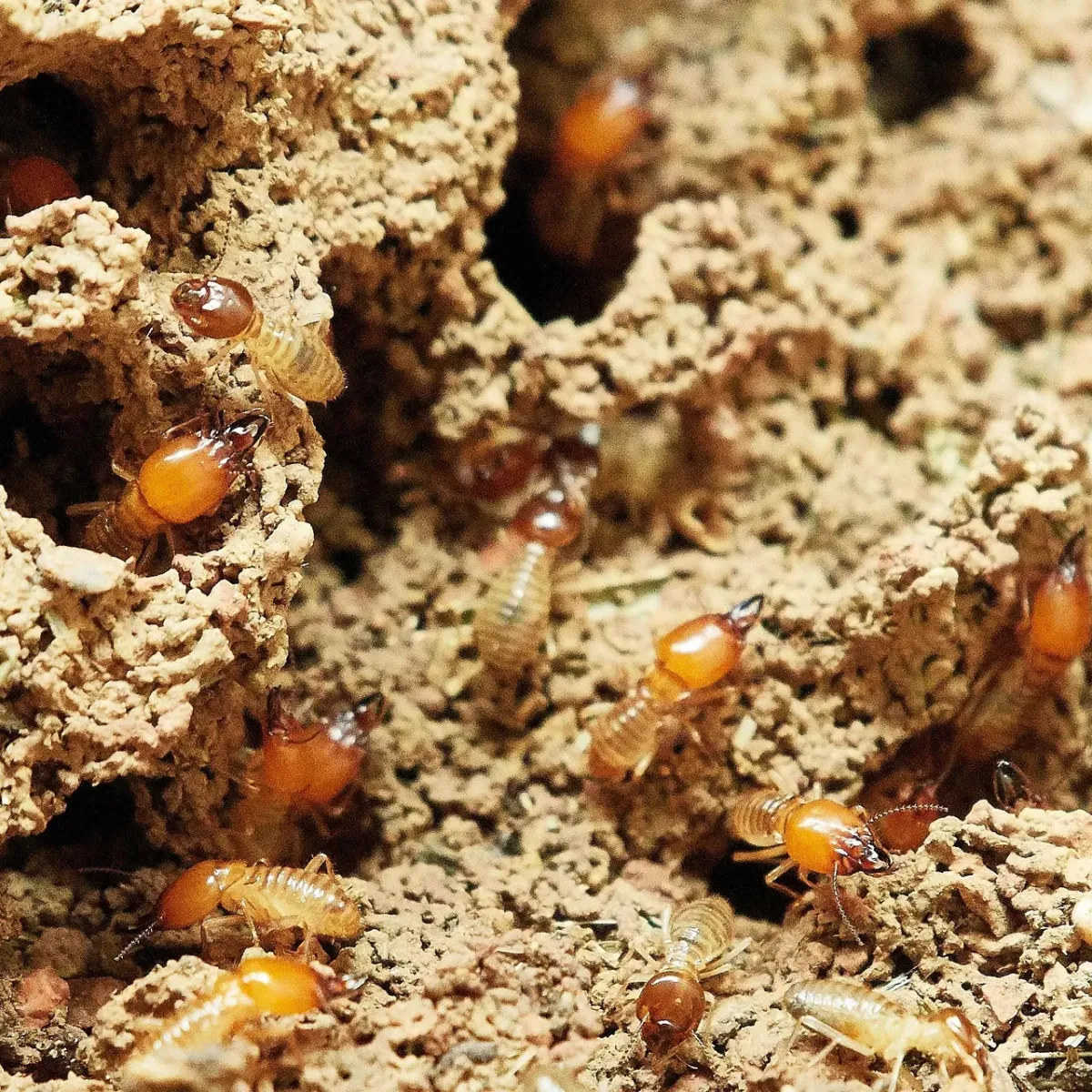
Ohio State’s Buckeye Yard & Garden Line notes that termite activity can be indicated by swarms, mud tubes, and damaged wood, although signs may not always be easy to detect.
Get ready for summer with our limited time offer!
Enjoy your yard this summer by treating mosquitos early in the season. Schedule your service today!
Only $39.95 for your first service
Termites use soil, moisture, and cover
Subterranean termites are often hidden. Ohio State explains that termite workers are rarely found in open-air spaces, but their activity can be seen through mud tubes that allow them to travel through exposed areas without drying out.
That matters for Hilltop homeowners because moisture-prone foundation edges, mulch, wood-to-soil contact, basement walls, porch details, garage framing, and hidden structural areas can make inspection important.
Inspection should follow evidence
A termite inspection should focus on foundation edges, basement walls, sill plates, rim joists, garage connections, porch details, damp wood, utility openings, crawl spaces, and wood-to-soil contact.
The technician should look for mud tubes, damaged wood, moisture patterns, mulch placement, drainage issues, stored wood, cracks, and exterior wood close to soil.
Soft wood, paint changes, staining, trim movement, and tight doors can come from more than one issue. Clear findings help homeowners understand whether signs may be termite-related, moisture-related, old damage, or another concern.
Subterranean termite treatment should be based on the property, warning signs, moisture conditions, and likely access routes. Ohio State notes that proper inspection and identification are needed for termite control.
Follow-up recommendations may include improving drainage, pulling mulch back, storing wood away from the home, reducing moisture, sealing cracks where appropriate, and keeping foundation areas visible.
Moisture makes inspection important
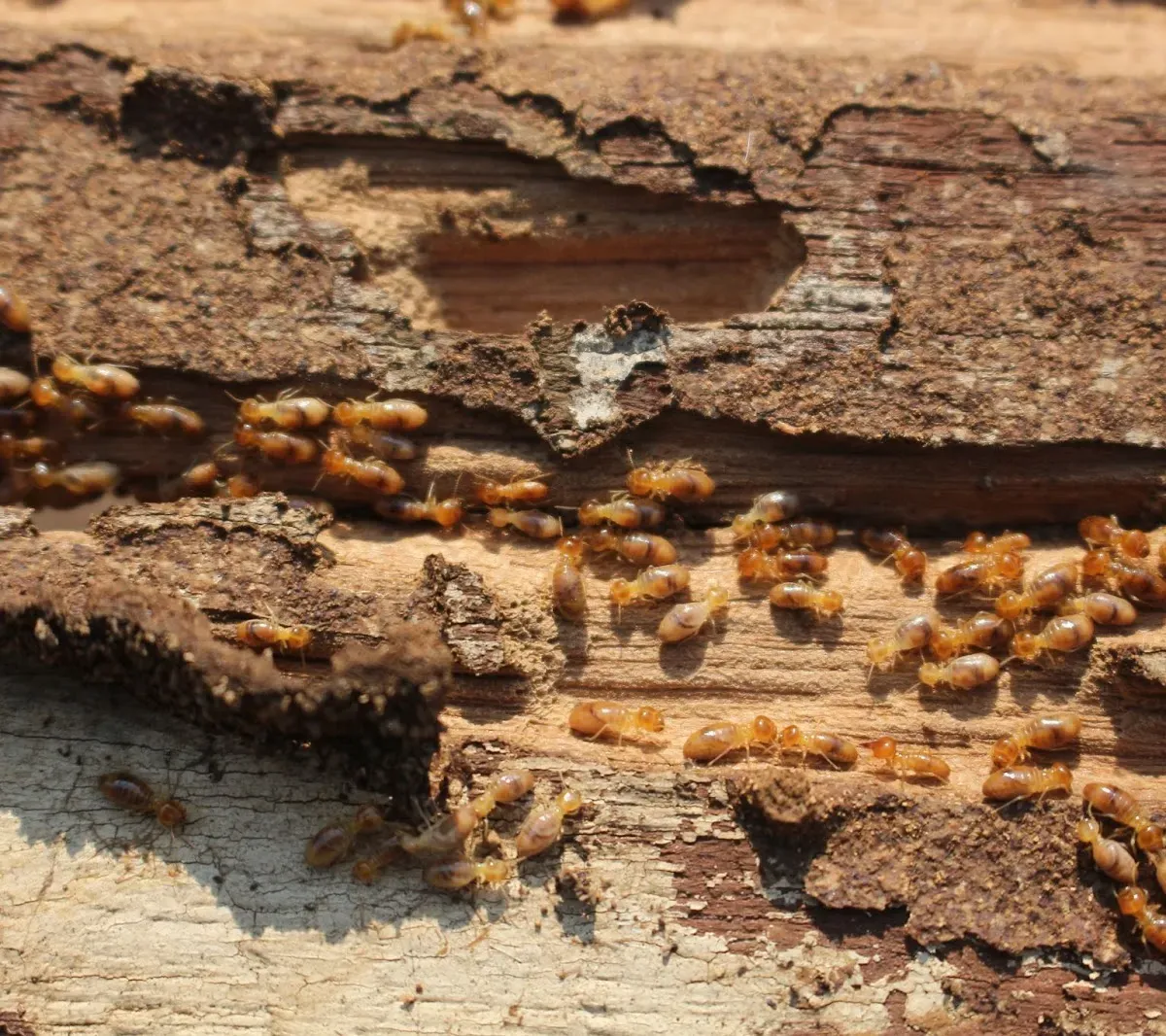
Termite control matters because damage can remain hidden behind surfaces. Ohio State notes that subterranean termite-damaged wood may have internal galleries while the outside layer remains intact, and painted wood may show lumps that suggest termite activity.
Hilltop homes with basements, porches, garages, older framing, or foundation beds should take suspicious signs seriously.
Warning signs need context
Mud Tubes: Mud tubes near foundation walls, basement edges, garages, crawl spaces, or porch areas can signal subterranean termite movement.
Hollow or Damaged Wood: Wood may sound hollow or show internal damage while the outer surface still looks mostly intact.
Paint Changes: Paint lumps, bubbling, or surface distortion can sometimes suggest hidden termite or moisture activity.
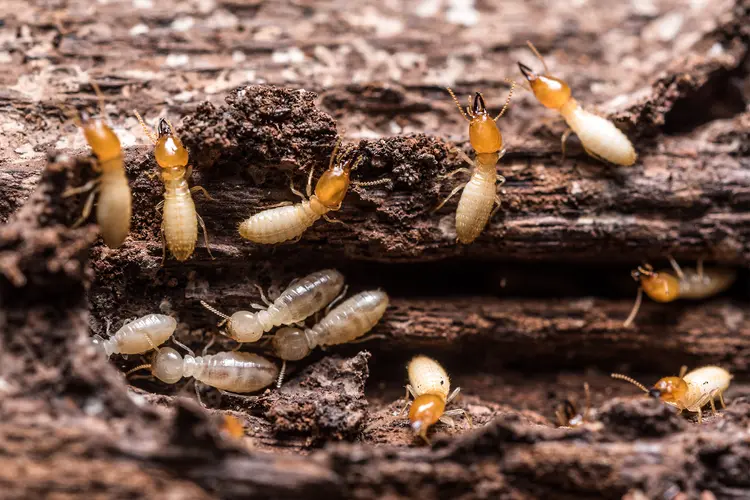
Winged Insects: Termite swarmers can be confused with winged ants, so proper identification matters.
Moisture-Prone Wood: Wood near damp soil, poor drainage, heavy mulch, leaks, or stored materials should be checked when warning signs appear.
NexGreen helps clarify the concern
NexGreen serves Columbus-area homeowners with lawn care, pest control, and tree and shrub care. When termite warning signs appear, homeowners need clarity. A careful inspection helps separate worry from action and gives the property a practical next step.
Hilltop termite questions answered
A termite concern should not wait until damage becomes obvious. If you notice mud tubes, soft wood, bubbling paint, winged insects, moisture near the foundation, or suspicious changes around a porch, garage, basement, stored wood area, or crawl space, NexGreen can help you take the next step.
Schedule termite control in Hilltop and get a clear inspection, practical recommendations, and a treatment direction designed to protect your home before hidden activity has more time to spread.