Spiders Settle Where Things Stay Quiet
In Flint, spiders can make themselves comfortable before you even realize they are there. A garage shelf, basement corner, shed wall, porch ceiling, wood pile, or crawl space can give them enough cover to stay hidden for weeks.
NexGreen Westerville offers spider control in Flint, OH for homeowners who want fewer webs, fewer indoor surprises, and help finding the places spiders are actually using.
Get ready for summer with our limited time offer!
Enjoy your yard this summer by treating mosquitos early in the season. Schedule your service today!
Only $39.95 for your first service
Open Properties Can Bring Spider Pressure
Flint homes may have more open space, mature trees, sheds, gardens, mulch, stored materials, and outdoor work areas than tighter neighborhoods nearby. Those spaces can attract insects, and spiders follow the food.
The spider you see on the wall is usually only part of it. There may be egg sacs behind storage, webs under eaves, small gaps near the foundation, or insects gathering near outdoor lights.
NexGreen Westerville checks those areas, treats active spots, and gives practical prevention tips so the problem does not keep circling back.
Spiders Common Around Rural Home Edges
Wolf spiders are bigger, fast- moving spiders often seen in garages, basements, sheds, mulch beds, and around stacked materials. They usually hunt instead of building large webs. They are mostly nuisance spiders, but they may bite if handled or trapped.
House spiders are smaller web- builders that settle into corners, closets, windows, ceilings, and storage rooms. They are not usually dangerous, but their webs can make a room feel dusty even after you clean.
Brown recluse spiders get attention because of possible bite concerns. They are often misidentified, though, since many brown spiders look similar. They prefer dark, quiet places like boxes, attics, closets, and seldom- used rooms.
Black widows are uncommon, but protected outdoor spots can give them cover. They may hide in sheds, crawl spaces, garages, wood piles, and outdoor storage. The female has a shiny black body with a red hourglass marking. Do not handle one if you suspect it.
Jumping spiders are small, quick, and often seen near sunny windows, siding, doors, decks, and porch areas. They are usually more startling than harmful, but most people still prefer them outdoors.
Cellar spiders have long, thin legs and are often found in basements, crawl spaces, garage corners, and damp lower- level areas. They can leave loose webbing in places that do not get cleaned often.
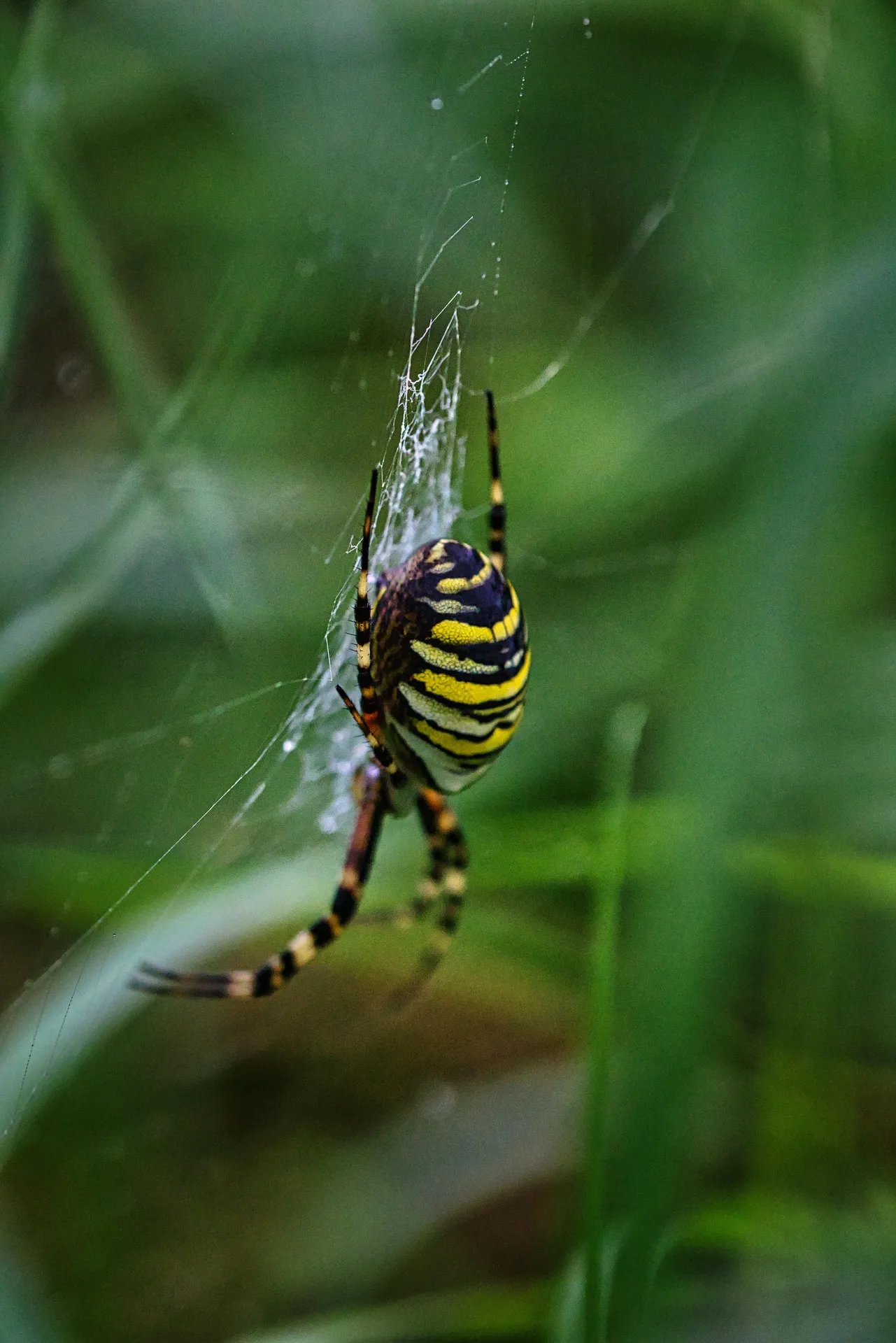
Orb weavers build round webs outside near shrubs, fences, porch lights, garden edges, and rooflines. They help catch insects, but webs across doors, paths, and porches become frustrating fast.
Fresh Webs Mean Spiders Are Nearby
When webs keep coming back after you remove them, spiders are probably still active close by. You may also notice egg sacs, shed skins, dead insects, small droppings, or more spiders in basements, garages, attics, closets, sheds, and crawl spaces.
In Flint, activity may start in outdoor storage areas or around the edges of the property, then move closer to the house as weather changes or insects gather near lights and shelter.
Spiders Usually Follow Their Food Source
Spiders come indoors when the conditions make sense: food, warmth, moisture, shelter, and quiet places to lay eggs. Most of the time, insects bring them close first.
Tall grass, mulch, gardens, wood piles, porch lights, damp corners, and shaded foundation areas can all support insect activity. Rain may push spiders under cover, while cooler fall nights can move them into garages, basements, crawl spaces, and door gaps.
Storage Areas Make Easy Spider Hideouts
Inside the home: Spiders may hide in basements, crawl spaces, garages, attics, closets, utility rooms, window corners, under furniture, behind boxes, along shelving, and inside quiet storage areas.
Outside the home: Outside, they often stay near sheds, decks, porches, roof eaves, stacked wood, foundation cracks, mulch beds, gardens, shrubs, fences, tall grass, and lights that pull insects in after dark.
We Look Past The First Web
We look for webbing, egg sacs, entry points, nesting areas, moisture issues, and insect activity. When possible, we identify spider species so the treatment can be more focused.
Service may include exterior perimeter applications, web removal, egg sac removal, crack and crevice treatments, residual applications, and interior spot treatments where spider activity is present.
We may recommend sealing gaps, moving stacked wood, trimming vegetation, reducing clutter, improving airflow, managing moisture, or adjusting exterior lighting to attract fewer insects.
For homes that see spider activity every year, seasonal service can help. Follow- up visits make it easier to catch activity before webs start spreading again.
Flint Spider Activity Changes By Season
Spring: Spring brings insects back around yards, gardens, sheds, and foundation edges. Spiders become more active as that food source returns.
Summer: Summer can bring steady outdoor spider activity around gardens, shrubs, lights, decks, porches, sheds, and shaded areas.
Fall: Fall is when many spiders move indoors. Garages, basements, crawl spaces, and storage rooms become more attractive as cooler nights arrive.
Winter: Outdoor activity slows down, but spiders already inside may stay hidden. Basements, attics, sheds, and garages may still have occasional sightings.
Store Sprays Miss The Hidden Trouble
A store spray may handle the spider standing in front of you. It usually will not reach egg sacs, foundation gaps, high webs, shed corners, garage storage, or the insects attracting spiders.
Professional spider pest control combines inspection, targeted treatment, residual applications, web removal, entry point checks, pest management, and seasonal monitoring. That gives your home a more complete plan.
Simple Changes Can Lower Spider Activity
Seal gaps around doors, windows, vents, utility openings, and foundation areas. Replace damaged screens. Keep basements, garages, sheds, and closets from getting too cluttered. Move firewood and stored materials away from the house.
Trim vegetation near siding, remove webs early, vacuum corners, manage moisture, and reduce insects around exterior lights where possible.
Careful Service For Homes And Yards
NexGreen Westerville uses licensed technicians and state- certified applicators who follow product directions carefully. Treatments are focused where spiders hide, travel, and build webs.
We know Flint homes may include pets, kids, sheds, garages, gardens, and outdoor work areas. Our team explains what is being treated and what to expect after service.
Local Help For Flint Spider Problems
Flint properties can have more storage areas, open space, sheds, shaded edges, wood piles, and outdoor insect activity than some nearby neighborhoods. NexGreen Westerville understands how those details affect spider problems.
Our team offers licensed service, careful inspections, targeted treatments, seasonal maintenance options, and practical prevention advice built around your home and property.
Flint Spider Questions Answered Plainly
If spiders keep showing up in your garage, basement, shed, porch, or storage areas, NexGreen Westerville can help. We’ll inspect the places they hide, treat active spots, and help reduce what keeps bringing them back. Schedule spider control in Flint, OH and feel better about the spaces you use every day.