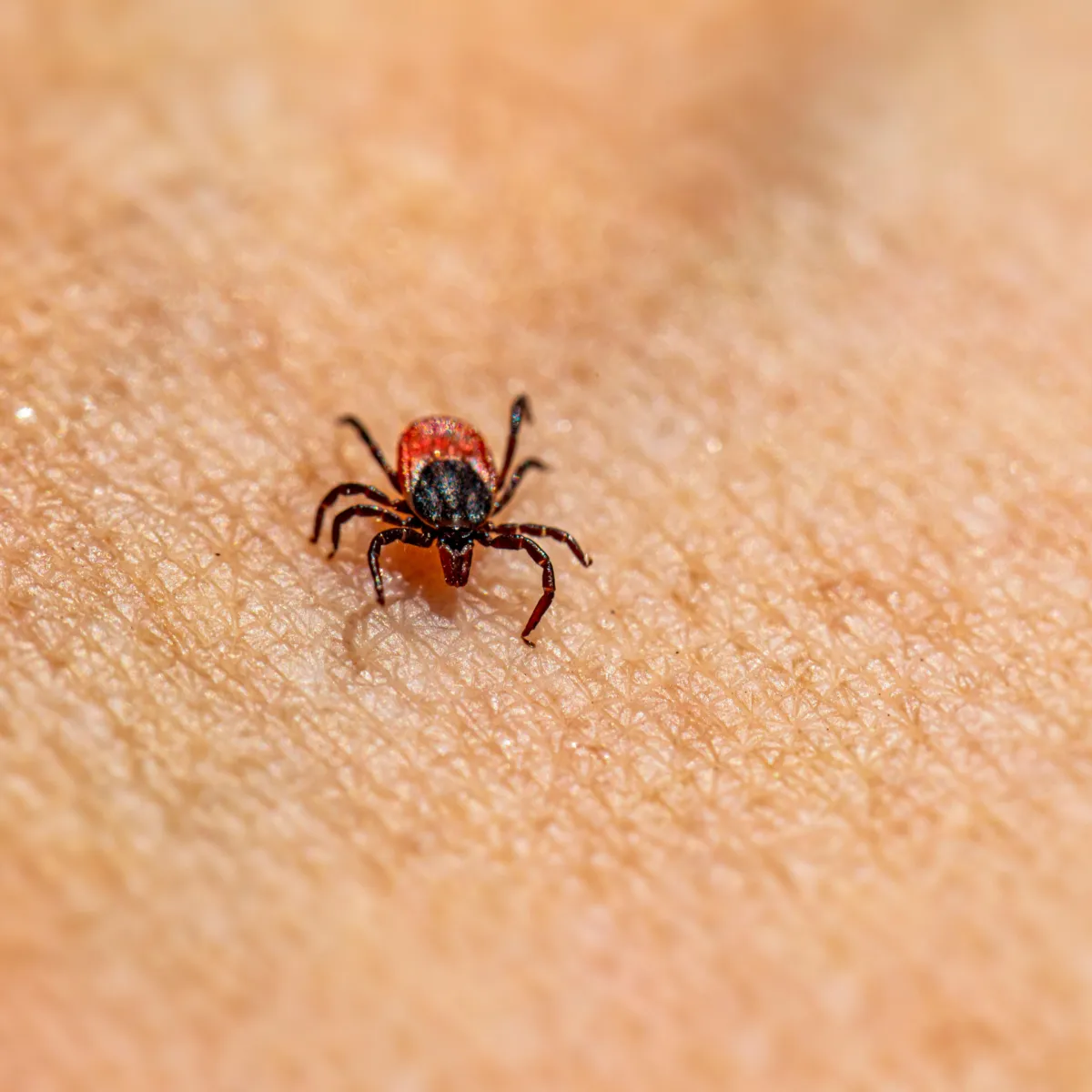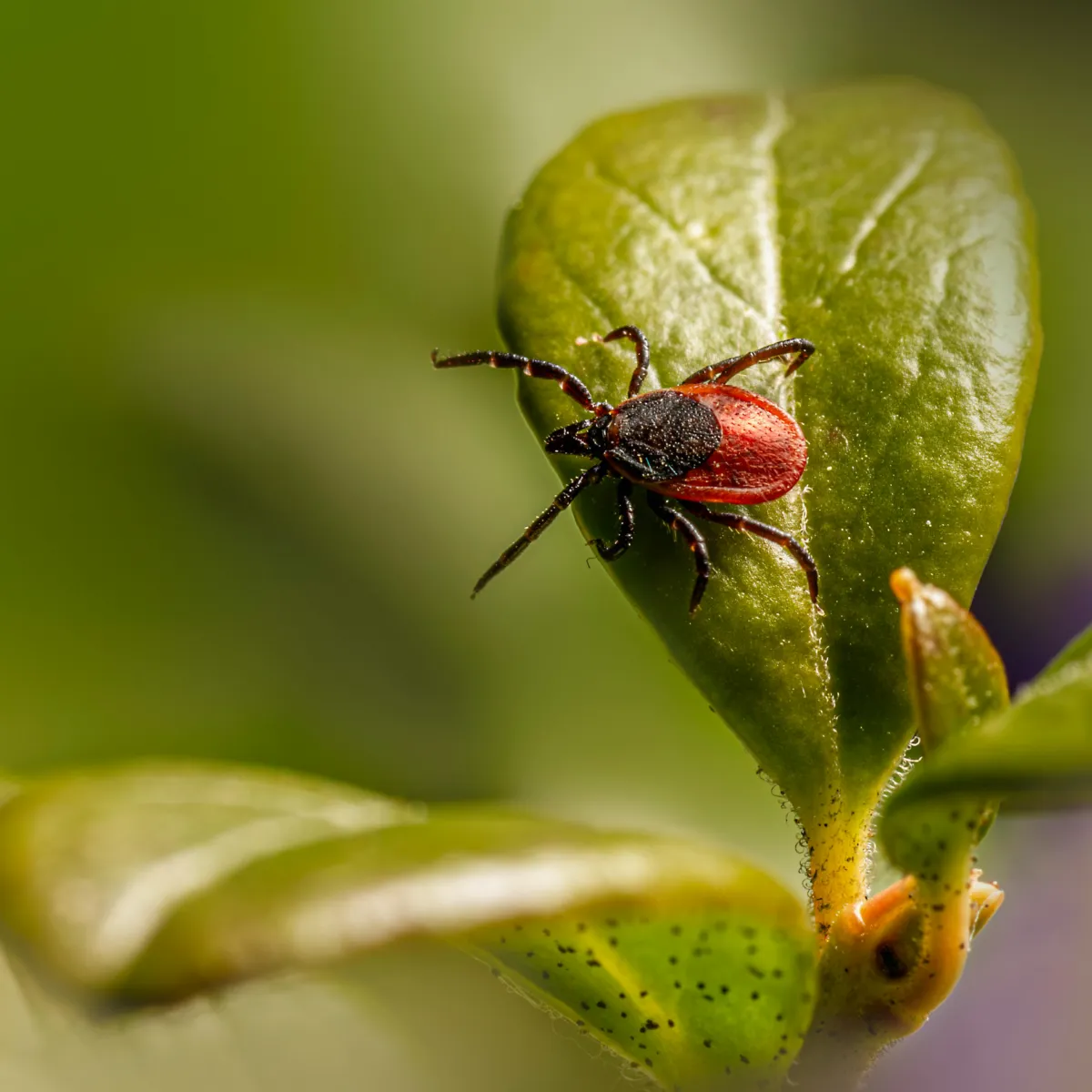
The sections of the yard that stay the quietest are often the ones doing the most to keep the problem alive.
In Clarkston, many yards include a mix of lawn, tree cover, beds, and outer edges that do not all dry or thin out at the same pace. One section may feel open and easy to manage, while another remains shaded and protected near the ground. That difference is often where tick activity begins to settle. It rarely starts in the most obvious spot.
NexGreen provides tick control in Clarkston, MI by focusing on the conditions that allow that pattern to continue. Instead of treating the yard like one even surface, the service looks at the sections most likely to keep holding cover, moisture, and limited airflow. Those are usually the parts of the property that matter most once the problem starts showing up near everyday outdoor use.
When those areas are addressed with purpose, the effect is practical. The yard feels easier to move through, easier to use for pets, and easier to trust during normal outdoor time. That is usually what homeowners are really trying to get back.
Get ready for summer with our limited time offer!
Enjoy your yard this summer by treating mosquitos early in the season. Schedule your service today!
Only $39.95 for your first service
A repeat issue in the yard usually traces back to a few sections that keep behaving the same way every time the weather shifts.
Tick activity is rarely distributed evenly across a property. In most Clarkston yards, it tends to settle into a few protected zones. That might be a tree-side strip, the border behind a deck, a low line near the fence, or a shaded bed edge that never seems to open up fully. Those areas often act very differently than the lawn a few feet away.
NexGreen starts by figuring out how those conditions show up in the yard itself. We pay attention to where the ground stays heavy after rainfall, where shrubs and thicker planting keep the soil protected, and where people and pets use the property most often. Those details help shape a plan that reflects how the yard actually works instead of assuming every section needs the same answer.
Treatment is then focused on the areas that are most likely to hold the problem and the nearby spaces most likely to be affected by it. That can include lawns, walkways, pet routes, seating spaces, play areas, and the outer sections of the property that keep pressure moving inward.
The best treatment plans usually follow the natural behavior of the yard rather than forcing every part of it into the same category.
We start by looking at the yard in real terms --- how it holds shade, where it traps moisture, where the cover is thickest, and how daily traffic moves through it. That makes it easier to see where the problem is most likely starting.
Once those source zones are clear, treatment is applied to the areas most likely to keep holding activity. This often includes protected borders, bed edges, low strips, fence lines, and the rougher sections that stay favorable longer than the open lawn.
After the source areas are treated, we extend attention into the parts of the property people use most. That includes lawns, walkways, patios, pet spaces, and outdoor gathering areas where hidden pressure can quickly become an everyday issue.
Because growth and weather keep shifting yard conditions, continued service helps prevent those same trouble spots from becoming active again. That kind of consistency is usually what keeps the property feeling easier to manage over time.
A yard issue becomes much harder to ignore once it starts changing where pets go and how people use the lawn.
The biggest problem with ticks is not only that they are there. It is that they are usually discovered after they have already been there for a while. Homeowners often notice them after a dog returns from the yard, after time near a border, or after the same area raises concern more than once. That means the issue has usually been building in quieter parts of the property first.
Clarkston yards often have the kind of variety that allows this to happen. A property may include mature trees, deeper planting, protected corners, or slow-drying border zones that hold onto favorable conditions. It does not take a large overgrown lot. A few areas staying too protected for too long can be enough to keep the same concern returning.
That is why treatment matters. It changes the parts of the yard that are most likely to keep reintroducing activity. Once those source sections are under control, the yard usually becomes easier to use without constant attention on where the next problem might show up.
The places most likely to hold hidden activity are often the same places homeowners have stopped paying attention to because they see them every day.
Ticks usually stay in the parts of a yard that offer shade and cover close to the soil. Around a home, that often means the strips beside fences, the areas under shrubs, bed edges with built-up debris, and the rougher transitions where the lawn stops being maintained as closely. These sections often hold more moisture and less airflow than the rest of the property.
Some of the most important areas are the least obvious. The back side of a shed, the strip beside a retaining wall, the line behind ornamental grass, or the edge of a side yard may all act like holding areas. These are not necessarily large spaces, but they can still stay favorable longer than the lawn around them.
Those sections matter even more when they overlap with pet movement. A dog cutting across the same border or looping along the same fence every day can turn a hidden source area into a repeated point of contact without anyone realizing it at first.
The biggest difference often shows up in the parts of the yard people use without thinking --- until a repeated issue makes them start thinking about it.
A tick problem rarely stays isolated to one unused border forever. It becomes important because it starts affecting the spaces tied to everyday life. A dog circles a fence line, a child moves from the patio into the lawn, or someone uses the same path beside a bed line over and over without realizing how close that is to the yard’s more protected sections.
That is why prevention for families and pets is such a central part of treatment. The point is not only to reduce activity in the hidden holding areas, but also to lower exposure in the routes and spaces where everyday use happens. When that pressure is reduced, the yard starts feeling much more natural to use again.
The seasons do not just change the weather they change which sections of the yard stay protected the longest.
Spring often brings the first noticeable shift in yard conditions. Borders thicken, the ground stays damp longer, and the more shaded parts of the property begin behaving very differently than the open lawn. That is often when problem areas first begin to reemerge.
Summer tends to concentrate the issue into the most protected sections. Open turf may dry quickly, but the border under shrubs, the strip by the fence, or the side yard beside the house can stay much more favorable. Those sheltered areas are often the ones that keep activity going.
Fall does not always erase the problem. Leaves collect, lower light changes how sections of the yard dry, and some already-protected edges become even more sheltered than they were in summer. That often keeps the same familiar sections active longer than expected.
Rain usually makes the yard’s weak points easier to spot. Some sections recover quickly, while others remain damp and covered for much longer. Those slower-drying sections are often the same ones that keep drawing attention throughout the season.
A yard-specific approach works better than a broad one because repeat pressure rarely starts everywhere at once.
NexGreen is a strong fit for tick control in Clarkston because the service is shaped around the way the property actually behaves. Most yards have only a few areas doing most of the work behind repeat activity, and those sections are not always the most obvious ones. When those parts are treated properly, the result usually feels much more useful than a broad, generic approach.
Homeowners benefit from service that takes into account the layout of the property, the routes pets use, and the outdoor spaces tied to daily life. That kind of attention helps make the treatment feel more relevant to the yard itself instead of feeling like the same answer applied everywhere.
The best prevention habits usually involve reducing the kind of shelter and moisture that protected yard sections keep holding onto.
Keeping grass under control is a good starting point, but it usually is not enough by itself. Border cleanup matters too. Leaves, loose debris, and dense growth along fences, behind structures, and around bed lines can all create the kind of protected ground ticks prefer.
It also helps to watch the sections that stay wet longest after rain. If the same corner stays soft, if the same side yard holds thicker growth, or if the same pet route runs beside heavy cover, those are all signs that the yard has a repeat pressure point. Those patterns are worth paying attention to between visits.
When a yard problem clearly centers around one zone, a targeted visit can be the most practical place to begin.
A one-time tick treatment can be a smart option when activity seems tied to one clear section of the property. That may be a border near outdoor seating, a pet path beside a fence, or a side yard that keeps drawing attention because it stays shaded and heavy longer than everything around it.
That kind of service can help reduce pressure quickly in the area causing the most concern. For some homeowners, that is enough. For others, it becomes a first step that helps show whether the yard has broader conditions that may call for a more regular plan.
When a property keeps producing the same issue, staying ahead of it usually works better than waiting for the next round to show up.
Recurring service is often the better fit for yards where the same protected sections keep creating pressure. If borders, bed lines, or damp corners continue staying favorable through the season, the same issue is likely to return even after short-term improvement.
That ongoing attention helps keep the yard from dropping back into a familiar cycle. Instead of reacting after the issue becomes visible again, recurring service keeps the most likely source areas from rebuilding into the same problem.
Nearby properties often share the same types of hidden yard conditions, even when the lots themselves look very different.
NexGreen provides tick control in Clarkston and nearby Waterford-area communities where homes often deal with similar yard features, including mixed shade, tree cover, protected borders, and sections that hold moisture longer than open lawn.
The questions homeowners ask most often usually start with the same part of the property that keeps becoming a concern again.
If ticks keep turning up around the yard, NexGreen can help identify which sections are most likely to be driving the issue and treat them directly. Book your tick control service for Clarkston or schedule a quote today.