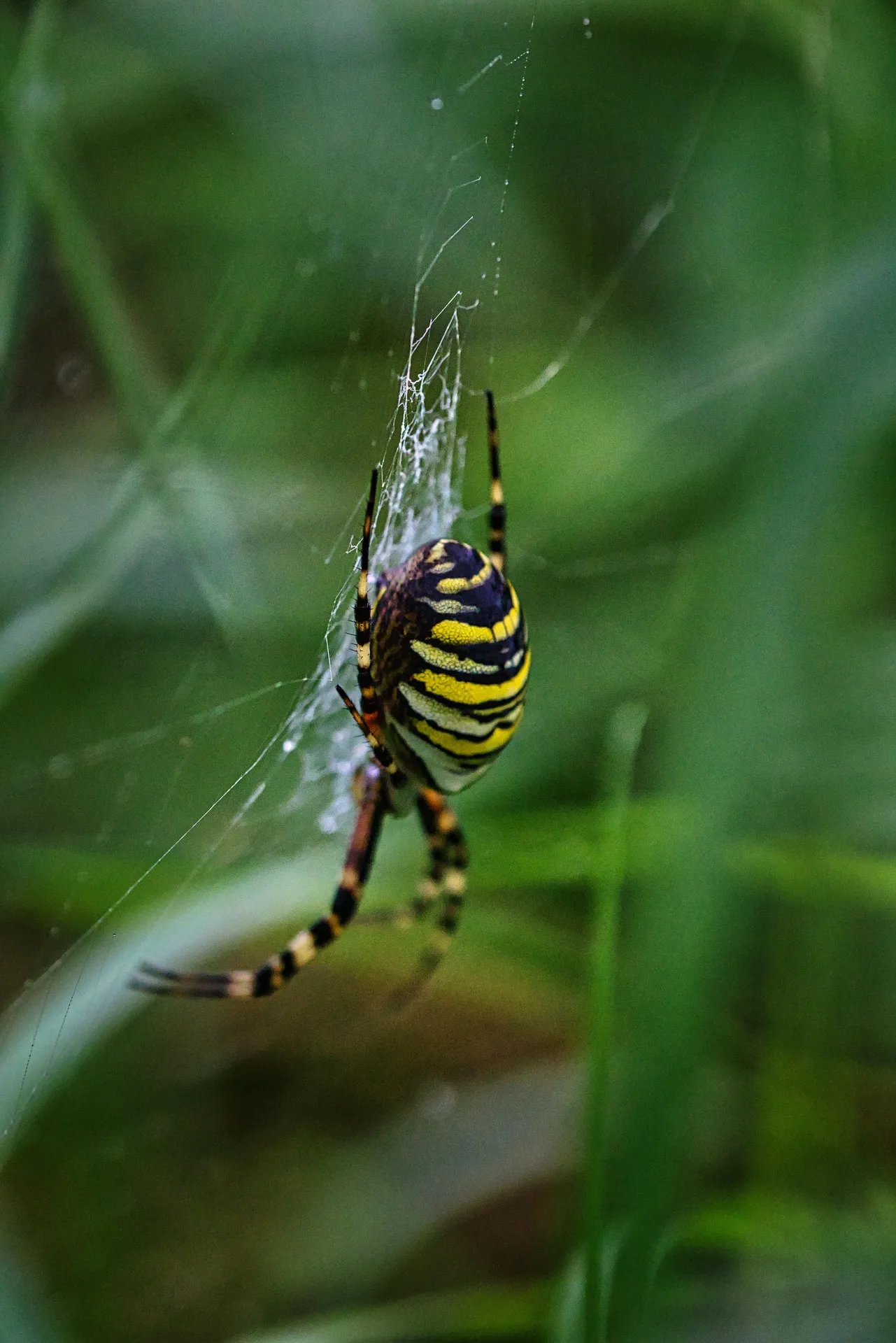
Open lots and outbuildings can keep spiders close.
Lockbourne spider problems often begin outside the main house. Webs show up in a shed doorway, across the porch rail, around stacked materials, or inside a detached garage long before a homeowner starts seeing spiders indoors. By the time the inside sightings happen, the outdoor setup may already be well established.
NexGreen provides spider control in Lockbourne, OH for homes dealing with spiders around garages, porches, sheds, outbuildings, storage areas, and lower rooms. In a small village with open space, canal history, farmland influence, and easy access to the larger Columbus area, spider issues often build around the edge of the property first.
Why Spider Problems in Lockbourne Need More Than a Quick Spray
A Lockbourne property may have several structures or edges contributing to one spider issue. The porch may be active because insects gather near the light. The shed may be active because it stays quiet for days at a time. The house may then start seeing spiders because the activity is already close and the entry points are easy to use.
That is why the quick- spray approach usually leaves homeowners frustrated. Spraying the mudroom corner or brushing down the porch only changes the visible part. If the shed, side yard, or stacked materials stay active, the same spider pattern can keep rebuilding.
Professional spider pest control is more useful when it looks beyond the house wall. In Lockbourne, the outlying parts of the property often matter just as much as the living space.
Rural- style edges can support several spider habits at once.
Wolf spiders may be seen around concrete floors, garages, storage spaces, barns, and lower rooms where they have room to hunt. Homeowners often notice them when they move something and a spider darts out across the floor.
House spiders and cellar spiders are more likely to settle in corners, rafters, closets, and the kinds of protected indoor spaces that do not get disturbed often. They may become obvious only after webbing starts showing up in the same spots over and over.
Outside, orb weavers may build around fences, porch beams, shed exteriors, and garden edges. Jumping spiders may show up on windows, trim, sunny rails, and outdoor furniture. Black widows deserve caution around stacked wood, low- use sheds, utility corners, and other dark protected spaces. Brown recluse spiders are sometimes part of homeowner concerns, but confirmation matters more than guesswork.
The pattern often begins in the quietest areas first.
In Lockbourne, the earliest signs are often found in places people do not check daily. A shed door starts collecting webbing. Firewood or lawn equipment has webs around it. The garage ceiling corners stay messy even after cleanup. Those are all signs worth taking seriously.
Indoor clues can include spiders near floor- level storage, webbing behind bins, egg sacs in utility corners, or sightings near lower doors and laundry areas. Outdoor and indoor signs often connect more directly on properties with open yards and detached structures.
When several of those signs are happening at once, the problem is usually bigger than one spider crossing the floor. It means the property is offering several shelters close together.
Spiders move in where cover and insects stay consistent.
Lockbourne homes may attract spiders because the outside edge remains active for long periods. Open lots, grass edges, low vegetation, porch lights, sheds, and side- yard storage can all help insects stay near the property. Spiders follow that food source.
Once they are near the home, entry is simple. Gaps around utility lines, loose seals on side doors, crawl space openings, garage edges, and worn screens all give them access. Even a very small opening can be enough.
Weather shifts make the movement easier to notice. Rain can push spiders toward covered spaces. Fall can bring them into garages, closets, mudrooms, and lower rooms. In Lockbourne, the property’s outer edge often explains the indoor problem.
Lockbourne spiders prefer spaces people only check occasionally.
Spiders often hide in the places homeowners use seasonally or only as needed. Sheds, detached garages, stacked materials, porch roofs, storage cabinets, barns, and crawl space access points all provide the stillness spiders want.
Inside, common hiding areas include utility rooms, closet floors, basement corners, behind shelving, water- heater rooms, and storage areas that hold decorations, tools, or supplies. The less movement an area gets, the more useful it becomes.
Outside, spiders may settle in fence corners, equipment piles, under patio furniture, around wood stacks, beneath deck steps, along roof eaves, and in foundation seams. Properties with more open space can actually give spiders more room to stay unnoticed.
A better outcome starts by reading the full property.
We inspect the house and the surrounding property features that may be feeding the spider problem, including sheds, garages, porch areas, storage sections, visible web locations, entry points, and lower rooms.
Treatment may include targeted applications, perimeter work, web removal, visible egg sac removal, crack- and- crevice treatment, residual materials, and interior spot treatment where activity has already crossed inside.
Prevention recommendations may include sealing gaps, organizing storage, moving stacked materials, trimming vegetation, managing moisture, repairing screens, and reducing insect attraction near lights and entries.
Spider issues on more open properties can shift from one structure to another. Seasonal monitoring helps keep the same sheds, porch corners, garages, or lower rooms from becoming repeat spider sites.
Lockbourne spider activity follows open- space seasonal changes closely.
Spring usually brings webbing back to sheds, fences, porch corners, and utility areas as insects return and outdoor activity picks up.
Summer can create heavy outdoor spider activity around storage structures, lights, lawn equipment, and covered exterior spaces. Warm nights and open property edges tend to keep spiders busy in those areas.
Fall often brings more of the problem closer to the house. Garages, mudrooms, closets, and indoor storage corners become more attractive once the outside weather grows less predictable. Winter may reduce visible outdoor webs, but spiders can remain tucked away inside protected spaces.
Outdoor spider pressure rarely stays outdoors for long.
DIY spider control usually focuses on where the problem is most visible. That may work for a day or two, but it ignores the shed, garage, wood stack, or outdoor equipment area that is still giving spiders shelter.
That is one reason the problem keeps restarting. Egg sacs remain hidden. Insects stay active around lights and storage. Protected corners do not get treated thoroughly. The house keeps pulling from the same supply of spider activity outside.
Professional spider control works better because it deals with the property as a connected whole instead of treating one corner at a time.
Prevention works best when storage stops helping spiders.
Lockbourne homeowners can help by checking the areas that sit untouched the longest. Clean webs from shed doorframes, organize garage storage, keep wood stacks away from the house, and avoid letting unused materials pile up in the side yard.
It also helps to close off simple access. Repair screens, tighten seals, and seal narrow openings around doors, garages, and utility lines. Those small fixes can matter a lot.
Exterior lights should also be watched. If insects gather there every night, spiders will eventually treat it like a regular feeding station.
Spider control should fit homes with yards and workspaces.
NexGreen uses licensed technicians and focused spider treatments designed around where activity is strongest. That makes sense for Lockbourne properties, where the problem may be concentrated in one outbuilding, one porch section, or one garage corner rather than spread everywhere evenly.
Families still need to move through the garage, use the porch, store equipment, and let pets use the yard. A practical service plan keeps that in mind.
The goal is to reduce spider activity in a way that respects the property’s daily use instead of getting in the way of it.
Local service matters on village and open- lot properties.
NexGreen serves Lockbourne through its Groveport- area location and understands that homes with sheds, larger outdoor spaces, and village- style layouts create different spider patterns than compact suburban blocks.
In Lockbourne, the issue often begins at the outer edge of the property and then works inward. That takes a treatment plan that pays attention to both the home and the structures around it.
NexGreen approaches spider control with that broader property view, which helps make service more useful when the trouble is not starting in the living room.
Lockbourne homeowners usually ask about sheds and porches.
Book spider control in Lockbourne with NexGreen if your porch, shed, garage, wood stack, or lower rooms keep turning into spider trouble spots. Schedule an inspection and we will look at the whole property, not just the latest web you noticed. When the right outdoor and indoor areas get treated together, the home usually gets much easier to manage.